 WhatsApp Us (24/7)
 +91 926 888 0303 (24/7)


To Book an Appointment
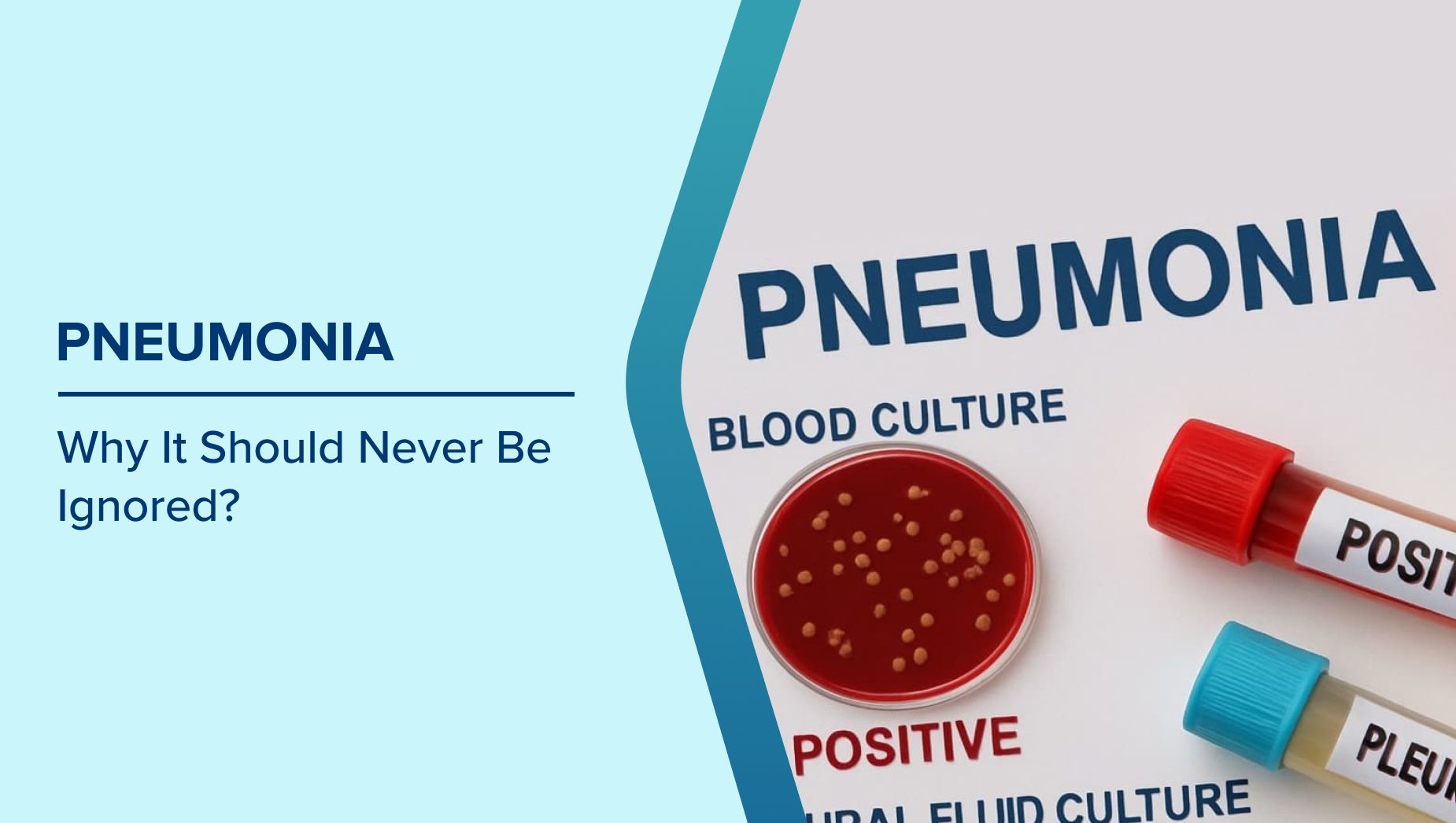
Call Us+91 926 888 0303Pneumonia: Why It Should Never Be Ignored?
By Dr. Vimal Kumar Nakra in Internal Medicine
Nov 26 , 2025 | 6 min read
1

Pneumonia is often mistaken for a common chest infection, but its impact on the body can be far more serious and unpredictable. While it may begin quietly, the condition can progress quickly, affecting breathing, oxygen levels, energy, and overall health. Many people wait too long before seeking medical help, assuming the illness will settle on its own. Unfortunately, pneumonia can move faster than expected, making timely care essential.
By understanding how pneumonia develops, how it affects the body, and how it can be prevented, people can take early action that may protect their health and even save lives.
What Makes Pneumonia a Serious Health Concern
Pneumonia is an infection that affects the air sacs within the lungs. These air sacs normally help the body take in oxygen and release carbon dioxide. When they become inflamed or filled with mucus or fluid, the lungs struggle to function efficiently. The body then works harder to breathe, and organs do not receive the oxygen they need.
Unlike seasonal flu or basic respiratory infections, pneumonia can escalate quickly. Even young and healthy people can feel severe weakness, breathing difficulty, and chest discomfort. For those with weakened immunity, unmanaged chronic conditions, or a history of respiratory issues, the risks can be significantly higher. What makes pneumonia particularly concerning is how quietly it can start and how rapidly it can change.
How Pneumonia Develops Inside the Body
Although pneumonia takes place in the lungs, its effects are not limited to the respiratory system. The infection usually starts when germs enter the airways and reach the air sacs. The body responds by launching an immune reaction to fight off the invaders. As a result, the air sacs swell and fill with inflammatory material. This reduces the amount of air that can pass through the lungs.
With decreased airflow, the body receives less oxygen. This oxygen shortfall forces the heart and lungs to work harder. If the infection continues to grow, it can affect both sides of the lungs or spread into the bloodstream. In severe cases, the infection may interfere with basic functions such as breathing, blood pressure balance, or mental alertness.
How Pneumonia Affects the Body Beyond the Lungs
Many people think pneumonia only affects breathing, but the infection can influence several body systems at once. When the lungs cannot deliver enough oxygen, the entire body feels the impact. Below are some lesser known effects that highlight why pneumonia should never be ignored.
Increased Strain on the Heart
When oxygen levels drop, the heart compensates by pumping faster. This added strain can be tiring even for healthy individuals. For someone with high blood pressure, heart rhythm issues, or underlying heart disease, this extra workload can be risky. Severe pneumonia can disrupt the heart’s ability to maintain a steady rhythm or pump blood effectively.
Effects on the Brain and Thinking
The brain depends heavily on oxygen to work properly. When pneumonia limits oxygen supply, people may feel confused, tired, or mentally slow. In more serious cases, individuals may experience sudden disorientation or difficulty staying awake. These changes are important signals that the body is under stress and needs immediate medical care.
Impact on Energy and Muscle Strength
Low oxygen levels reduce stamina and cause a deep sense of fatigue. Even simple activities like walking or speaking can feel exhausting. Pneumonia also triggers inflammation in the body, which contributes to muscle weakness and slower recovery.
Pressure on the Kidneys and Other Organs
The kidneys filter waste from the blood. When oxygen is limited, their function can decline, leading to dehydration or an imbalance in essential minerals. The liver and digestive system may also be affected, causing appetite loss, nausea, or discomfort.
Fluid Imbalance and Dehydration
Fever and rapid breathing cause the body to lose fluids quickly. Dehydration thickens mucus, making it harder for the lungs to clear the infection. This can worsen breathing difficulties and delay recovery.
These effects show how pneumonia can create a health crisis for the whole body, not just the lungs. Recognising this broader impact reinforces the importance of early attention and proper treatment.
Why Pneumonia Progresses Quickly in Some People
The speed of progression varies from person to person. Several factors can make pneumonia more aggressive or difficult to control.
Weak Immune Defences
People with low immunity may struggle to fight off lung infections. This includes those dealing with long-term illnesses, poor nutrition, or ongoing stress on their body.
Long Standing Respiratory Problems
Individuals with asthma, bronchiectasis or a history of frequent chest infections may experience faster progression because their lungs already work harder under normal conditions.
Delayed Response
Many people assume the infection will improve with rest. However, pneumonia does not always follow a predictable pattern and can progress quickly without proper treatment.
Seasonal Challenges
During colder months, the air is drier and irritation of the airways is more common. This can make the lungs more vulnerable and slow down recovery.
How Untreated Pneumonia Can Lead to Complications
Ignoring pneumonia increases the chances of complications. Some complications can develop quietly and require urgent care.
Persistent Breathing Problems
Inflammation may take time to settle, even after the infection clears. Without proper care, this can lead to long-term breathing difficulty during daily activities.
Fluid Around the Lungs
Sometimes fluid collects between the layers around the lungs. If the fluid becomes infected, it may require specific treatments to prevent further issues.
Severe Drop in Oxygen Levels
If oxygen levels fall too low, the body can become exhausted quickly. Severe oxygen shortage affects the brain, heart and muscles.
Spread of Infection
The infection can enter the bloodstream or reach deeper tissues, making the situation more complex and harder to manage.
Slow Recovery and Lingering Weakness
Even after initial treatment, some people feel weak for weeks. Breathing may take time to return to normal, especially if pneumonia affected a large portion of the lungs.
Treatment Approaches and What to Expect
Treatment depends on the type, severity, and progression of pneumonia, as well as the patient's overall health. A healthcare provider may recommend a combination of the following approaches.
Targeted Medication
Appropriate medicines are used to control the infection and reduce inflammation. It is essential to complete the full course even if symptoms improve early.
Lung Support
This includes breathing exercises, steam inhalation, chest physiotherapy, and hydration. These methods help loosen mucus and support lung recovery.
Oxygen Support When Needed
If oxygen levels fall, temporary oxygen support may be advised. This allows organs to rest and recover.
Rest and Nutrition
The body needs energy to fight infection. Adequate rest, light meals and proper hydration support recovery.
Follow-Up Care
Regular check-ups help ensure the lungs are healing well and prevent long-term complications.
How to Protect Yourself From Pneumonia
Prevention plays a vital role in reducing the risk of pneumonia. Simple steps can make a significant difference.
Maintain Good Hygiene
Regular hand washing helps limit the spread of germs. Avoiding close contact with sick individuals also reduces exposure.
Keep Your Lungs Healthy
Avoiding smoking, reducing pollutant exposure, and staying active support lung strength. Deep breathing exercises can improve lung capacity over time.
Take Care During Seasonal Changes
Cold air can irritate the airways. Wearing proper clothing during winter and keeping indoor air clean and moist may help protect the lungs.
Support Your Immune System
A balanced diet, enough sleep, hydration and regular physical activity strengthen the body’s natural defences.
Seek Early Care
If you feel unusually breathless, extremely tired, or unable to recover from a chest infection, seek medical attention early to prevent complications.
Conclusion
Recovering from pneumonia can take time. Even when the infection clears, the lungs may need patience and consistent care. Gentle breathing exercises, nutritious meals and gradual return to activity help rebuild strength. It is also helpful to monitor your breathing and energy levels for a few weeks after treatment. Paying attention to your body ensures smoother recovery and prevents any unnoticed setbacks.
Frequently Asked Questions
Can pneumonia return after recovery?
Yes, pneumonia can reappear if immunity is low or if the lungs have not fully recovered. Maintaining healthy habits and attending follow-up check-ups can reduce recurrence.
Why does pneumonia affect energy levels so much?
Pneumonia limits oxygen supply and triggers inflammation throughout the body. This combination drains physical strength and makes even simple movements tiring.
Is it possible to recover from pneumonia at home?
Mild cases can be managed at home with proper medical guidance. It is important to follow the treatment plan and watch for any signs of worsening.
Does pneumonia always cause fever?
No, not everyone develops a high temperature. Some people, especially older adults, may have mild or no fever even during active infection.
Why does breathing feel harder during pneumonia?
The air sacs inside the lungs become swollen and filled with mucus. This reduces airflow and makes each breath require more effort.
Written and Verified by:

Related Blogs


Dr. Vandana Boobna In Internal Medicine
Nov 08 , 2020 | 2 min read
Blogs by Doctor

Wondering whether Dengue and Chikungunya are Similar Diseases?
Dr. Vimal Kumar Nakra In Internal Medicine
Oct 10 , 2016 | 2 min read
Pneumococcal and Flu Vaccines: Importance & Protection
Dr. Vimal Kumar Nakra In Internal Medicine
Nov 12 , 2025 | 6 min read
Most read Blogs


Related Blogs
Dr. Vandana Boobna In Internal Medicine
Nov 08 , 2020 | 2 min read
Blogs by Doctor
Wondering whether Dengue and Chikungunya are Similar Diseases?
Dr. Vimal Kumar Nakra In Internal Medicine
Oct 10 , 2016 | 2 min read
Pneumococcal and Flu Vaccines: Importance & Protection
Dr. Vimal Kumar Nakra In Internal Medicine
Nov 12 , 2025 | 6 min read
Most read Blogs