 WhatsApp Us (24/7)
 +91 926 888 0303 (24/7)


To Book an Appointment
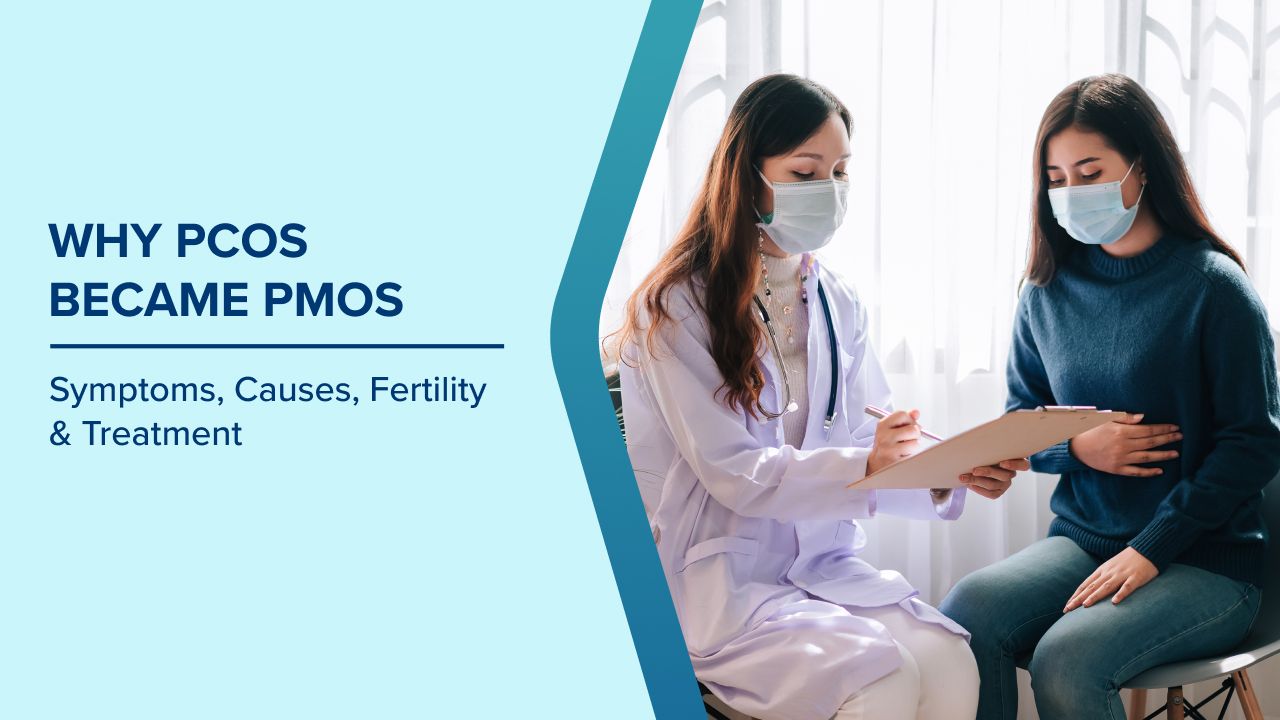
Call Us+91 926 888 0303Why PCOS Became PMOS: Symptoms, Causes, Fertility & Treatment
By Dr. Rakhi Gupta in Obstetrics And Gynaecology , Gynecologic Oncology , Robotic Surgery , Gynaecologic Laparoscopy
May 19 , 2026
3

A major shift has taken place in women’s healthcare: the condition long known as Polycystic Ovary Syndrome (PCOS) has officially been renamed Polyendocrine Metabolic Ovarian Syndrome (PMOS). The change follows more than a decade of global research, patient advocacy, and clinical debate aimed at correcting what many experts considered a misleading name.
For millions of women worldwide, this isn’t just a cosmetic update in medical terminology. Doctors and researchers believe the new name could improve diagnosis, reduce stigma, and encourage better long-term treatment.
What Is PMOS?
Polyendocrine Metabolic Ovarian Syndrome (PMOS) is a hormonal and metabolic disorder that affects the ovaries, endocrine system, and overall metabolic health.
The previous term, PCOS, mainly highlighted ovarian cysts. However, doctors discovered that many women diagnosed with the condition never actually develop cysts. This created confusion and often delayed proper diagnosis.
The new term “PMOS” focuses on the broader health impact of the condition, including:
- Hormonal imbalance
- Insulin resistance
- Weight gain
- Fertility problems
- Irregular menstrual cycles
- Metabolic dysfunction
- Increased diabetes risk
Healthcare professionals believe the updated terminology will help women receive more accurate and complete care.
Why Did PCOS Change to PMOS?
For years, experts argued that the term “Polycystic Ovary Syndrome” was medically misleading. Many women with the condition:
- do not have ovarian cysts,
- are diagnosed late,
- or are treated only for fertility issues, while other health complications are ignored.
The new name recognises that the disorder impacts multiple systems in the body, not just the ovaries.
Meaning of PMOS
- Polyendocrine: Affects several hormone systems
- Metabolic: Linked to metabolism and insulin resistance
- Ovarian: Still connected to reproductive health
This shift helps doctors focus on the full-body impact of the syndrome rather than only reproductive symptoms.
Common PMOS Symptoms Women Should Not Ignore
One of the biggest challenges with PMOS is that symptoms can vary significantly from person to person. Most common PMOS symptoms:
Irregular Periods
Missing periods, delayed cycles, or extremely heavy bleeding are common warning signs.
Weight Gain and Difficulty Losing Weight
Many women with PMOS struggle with stubborn weight gain, especially around the abdomen.
Hormonal Acne
Persistent acne around the jawline, chin, and cheeks may indicate a hormonal imbalance.
Excess Facial Hair
Elevated androgen levels often cause increased hair growth on the face, chest, or body.
Hair Thinning
Scalp hair loss or thinning is another common symptom linked to hormonal changes.
Fertility Problems
PMOS can interfere with ovulation, making pregnancy more difficult for some women.
Fatigue and Mood Changes
Women may also experience:
- fatigue,
- anxiety,
- depression,
- brain fog,
- and poor sleep quality.
What Causes PMOS?
There is no single known cause of PMOS, but experts believe several factors contribute to its development.
- Insulin Resistance: This is one of the biggest contributors. The body struggles to use insulin properly, leading to elevated blood sugar and hormonal imbalance.
- Genetics: Women with a family history of PMOS or hormonal disorders may have a higher risk.
- Chronic Inflammation: Low-grade inflammation may trigger higher androgen production and worsen symptoms.
- Lifestyle Factors: Poor diet, stress, lack of physical activity, and sleep issues can aggravate symptoms.
PMOS and Fertility: Can You Still Get Pregnant?
Yes, many women with PMOS successfully become pregnant. However, the condition can affect ovulation and menstrual regularity, which may make conception more challenging. Early diagnosis and lifestyle management significantly improve fertility outcomes. Doctors may recommend:
- weight management,
- insulin-regulating medications,
- ovulation support,
- dietary changes,
- and stress reduction techniques.
The earlier women seek treatment, the better the chances of improving reproductive health naturally.
Best PMOS Treatment Options
There is currently no permanent cure for PMOS, but symptoms can often be managed effectively.
Lifestyle Changes
Healthy lifestyle habits remain one of the most effective ways to control symptoms. Recommended changes:
- Balanced high-protein diet
- Regular exercise
- Reduced sugar intake
- Better sleep hygiene
- Stress management
Medications
Doctors may prescribe:
- Hormone-regulating medications,
- Insulin-sensitising drugs,
- Acne treatments,
- Or fertility medications.
Mental Health Support
Because PMOS can impact emotional well-being, therapy and mental health support may also be beneficial.
Why the PMOS Name Change Matters Globally
The renaming of PCOS to PMOS could have a major impact on women’s healthcare worldwide. Experts believe the new terminology will:
- Improve public awareness,
- Reduce stigma,
- Encourage earlier diagnosis,
- And support more comprehensive treatment.
For decades, many women felt dismissed because their symptoms did not fit the “classic” PCOS description. The updated name underscores that this condition is far more complex than ovarian cysts alone.
Conclusion
The transition from PCOS to PMOS marks a major step forward in understanding women’s hormonal and metabolic health. The new terminology reflects modern medical research and highlights the importance of treating the condition as a full-body disorder rather than only a reproductive issue.
If you experience symptoms such as irregular periods, hormonal acne, unexplained weight gain, or fertility concerns, consulting a healthcare professional early can make a significant difference. As awareness around PMOS grows, experts hope more women will receive timely diagnosis, better treatment, and improved long-term health outcomes.
Frequently Asked Questions
Is PMOS considered an autoimmune disease?
No, PMOS is not classified as an autoimmune disease. It is primarily a hormonal and metabolic disorder, although inflammation may contribute to symptom severity.
At what age does PMOS usually start?
Symptoms often begin during the teenage years or early twenties, especially after puberty. However, some women may not be diagnosed until later in adulthood.
Can skinny women have PMOS?
Yes, many women with PMOS are not overweight. Lean PMOS is a recognised form of the condition and may still involve hormonal imbalance and fertility challenges.
Does PMOS increase the risk of pregnancy complications?
Women with PMOS may have a slightly higher risk of gestational diabetes, high blood pressure, and preterm birth, but proper medical care can help manage these risks.
Are natural remedies enough to manage PMOS?
Natural approaches such as exercise, dietary improvements, and stress reduction can help significantly, but some women may still require medical treatment depending on symptom severity.
Can PMOS symptoms get worse with age?
Yes, metabolic symptoms such as insulin resistance, high cholesterol, and diabetes risk may increase over time if the condition is left unmanaged.
Is PMOS linked to thyroid problems?
Some women with PMOS may also experience thyroid disorders, especially hypothyroidism, though the two conditions are separate medical issues.
Can birth control pills cure PMOS?
No, birth control pills may help manage symptoms like irregular periods and acne, but they do not cure the underlying condition.
Written and Verified by:

Related Blogs

Dr. Manju Khemani In Obstetrics And Gynaecology
Oct 27 , 2020 | 3 min read

Dr. Neera Aggarwal In Obstetrics And Gynaecology , Nutrition And Dietetics
Nov 07 , 2020 | 7 min read
Blogs by Doctor
Urinary Tract Infections: Signs, Symptoms & How to Prevent UTI in Summer
Dr. Rakhi Gupta In Obstetrics And Gynaecology
Jul 02 , 2025 | 4 min read
Brown Vaginal Discharge: Possible Causes and When to Seek Medical Advice
Dr. Rakhi Gupta In Obstetrics And Gynaecology
Jul 09 , 2025 | 10 min read
Most read Blogs

Related Blogs
Dr. Manju Khemani In Obstetrics And Gynaecology
Oct 27 , 2020 | 3 min read
Dr. Neera Aggarwal In Obstetrics And Gynaecology , Nutrition And Dietetics
Nov 07 , 2020 | 7 min read
Blogs by Doctor
Urinary Tract Infections: Signs, Symptoms & How to Prevent UTI in Summer
Dr. Rakhi Gupta In Obstetrics And Gynaecology
Jul 02 , 2025 | 4 min read
Brown Vaginal Discharge: Possible Causes and When to Seek Medical Advice
Dr. Rakhi Gupta In Obstetrics And Gynaecology
Jul 09 , 2025 | 10 min read
Most read Blogs