 WhatsApp Us (24/7)
 +91 926 888 0303 (24/7)


To Book an Appointment
Call Us+91 926 888 0303What Makes Endometriosis Difficult to Diagnose: Common Conditions & Signs
By Dr Seema Bhardwaj in Obstetrics And Gynaecology
May 07 , 2026

Endometriosis is one of the most common yet often misunderstood conditions that affects many women during their reproductive years. Despite increasing awareness, it continues to be one of the most frequently misdiagnosed gynaecological conditions. For many individuals, the journey to an accurate diagnosis can take years, often involving multiple consultations and treatments that do not fully address the underlying issue.
Understanding why endometriosis is misdiagnosed and which conditions it is commonly confused with can help patients recognise patterns early and seek more appropriate care.
What Makes Endometriosis Difficult to Diagnose?
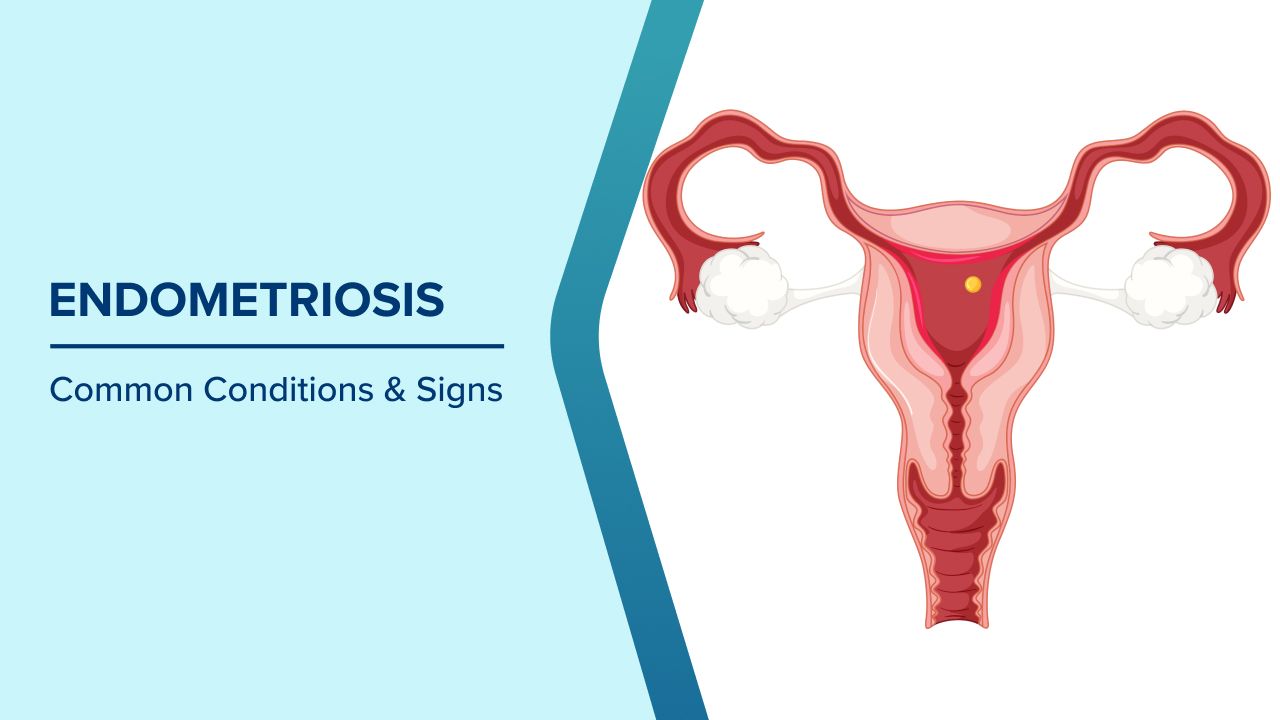
Endometriosis occurs when tissue similar to the lining of the uterus grows outside it, often affecting the ovaries, fallopian tubes, and surrounding pelvic structures. These tissues respond to hormonal changes, leading to inflammation, pain, and sometimes scarring.
However, diagnosing endometriosis is not always straightforward. This is because:
- Symptoms vary widely from person to person
- Pain levels do not always match disease severity
- Many symptoms overlap with other common conditions
- Imaging tests may not always detect early or mild disease
- Menstrual pain is often normalised or overlooked
Because of these factors, endometriosis may not be immediately considered, especially in the early stages.
Common Conditions Endometriosis Is Confused With
Several medical conditions share similar symptoms with endometriosis. This overlap is one of the main reasons for delayed or incorrect diagnosis.
Irritable Bowel Syndrome (IBS)
Digestive symptoms are very common in endometriosis, particularly when the bowel is affected.
Symptoms that overlap include:
- Bloating
- Abdominal pain
- Changes in bowel habits (constipation or diarrhoea)
Because these symptoms are strongly associated with IBS, many patients are initially treated for a gastrointestinal condition. However, if symptoms worsen during menstrual cycles, endometriosis may be a more likely cause.
Polycystic Ovary Syndrome (PCOS)
Although endometriosis and PCOS are different conditions, they are sometimes confused due to overlapping reproductive symptoms.
Common overlapping features:
- Irregular menstrual cycles
- Hormonal imbalance concerns
- Difficulty conceiving
While PCOS is primarily a hormonal disorder, endometriosis is a condition involving tissue growth outside the uterus. Misinterpretation of symptoms can lead to incorrect treatment approaches.
Pelvic Inflammatory Disease (PID)
PID is an infection of the reproductive organs and can cause symptoms similar to endometriosis.
Shared symptoms include:
- Pelvic pain
- Pain during intercourse
- Fever (more common in PID)
- Abnormal discharge
Because both conditions involve pelvic discomfort, distinguishing between them requires careful evaluation and, in some cases, further testing.
Ovarian Cysts
Ovarian cysts are fluid-filled sacs that can develop on the ovaries. In endometriosis, a specific type of cyst called an endometrioma may form.
Overlapping symptoms:
- Pelvic pain
- Bloating
- Irregular periods
Routine imaging may detect cysts, but it may not always clarify whether they are related to endometriosis, leading to an incomplete diagnosis.
Adenomyosis
Adenomyosis occurs when endometrial tissue grows within the muscular wall of the uterus.
Similar symptoms include:
- Heavy menstrual bleeding
- Severe cramps
- Chronic pelvic pain
Because both conditions involve endometrial-like tissue and menstrual-related pain, they are sometimes difficult to differentiate without detailed imaging or evaluation.
Urinary Tract Conditions
When endometriosis affects areas near the bladder, symptoms may mimic urinary conditions.
Common overlaps:
- Painful urination
- Frequent urge to urinate
- Pelvic discomfort
These symptoms can lead to repeated treatment for urinary tract infections, even when no infection is present.
Why Misdiagnosis Happens So Often
Misdiagnosis is not always due to a lack of awareness. Several real-world factors contribute to the delayed recognition of endometriosis.
Symptom Normalisation
Menstrual pain is often considered a normal part of life. As a result, severe symptoms may be dismissed or underreported.
Overlapping Clinical Presentation
Many conditions share similar symptoms, making it difficult to identify endometriosis without thorough evaluation.
Limitations of Imaging
Ultrasound and MRI can help detect advanced cases, but early-stage endometriosis may not be visible on imaging.
Variation in Disease Presentation
Some individuals experience severe pain, while others may have mild or no symptoms despite having significant disease.
Delayed Specialist Referral
Patients may initially consult general practitioners or non-specialists, which can delay referral to a gynaecologist experienced in endometriosis.
Signs That May Point Towards Endometriosis
While symptoms overlap with other conditions, certain patterns may raise suspicion of endometriosis:
- Pain that worsens during menstruation
- Chronic pelvic pain not explained by other diagnoses
- Pain during or after intercourse
- Symptoms that do not improve with standard treatments
- Cyclical digestive or urinary symptoms linked to periods
Recognising these patterns can help guide further evaluation.
How Diagnosis Can Be Improved
Improving diagnosis requires a combination of awareness, timely evaluation, and appropriate investigations.
Detailed Medical History
Understanding the pattern, timing, and severity of symptoms is essential.
Pelvic Examination
A clinical examination may reveal tenderness or abnormalities.
Imaging Tests
Ultrasound and MRI can help identify cysts or deep lesions, although they may not detect all cases.
Laparoscopy
This is considered the most definitive method for diagnosing endometriosis, allowing direct visualisation and confirmation.
Early consultation with a specialist can significantly reduce delays in diagnosis.
The Impact of Delayed Diagnosis
When endometriosis is misdiagnosed or overlooked, it can affect multiple aspects of health.
Possible consequences include:
- Persistent pain and discomfort
- Progression of the condition
- Increased risk of complications such as adhesions
- Emotional stress and frustration
- Delayed fertility planning or treatment
Timely diagnosis not only improves symptom management but also supports better long-term outcomes.
When to Seek Medical Advice
It is important to consult a healthcare professional if:
- Period pain is severe or worsening over time
- Symptoms interfere with daily activities
- There is no relief with standard treatments
- There are ongoing digestive or urinary symptoms without a clear cause
- You are facing difficulty conceiving
Advocating for your symptoms and seeking a second opinion when needed can make a significant difference.
Conclusion
Endometriosis is often misdiagnosed because its symptoms overlap with several other common conditions. From digestive disorders to gynaecological and urinary issues, the similarities can make accurate identification challenging.
However, recognising symptom patterns, understanding common misdiagnoses, and seeking timely medical evaluation can help bridge this gap. Greater awareness among patients and healthcare providers is key to reducing delays and ensuring appropriate care.
A proactive approach, combined with the right guidance, can lead to earlier diagnosis, better symptom control, and improved quality of life.
Frequently Asked Questions
1. How long does it usually take to diagnose endometriosis?
Diagnosis can take several years due to symptom overlap and variability. Early consultation with a specialist may help shorten this timeline.
2. Can endometriosis be mistaken for digestive problems?
Yes, symptoms like bloating, abdominal pain, and bowel changes often resemble digestive conditions such as IBS.
3. Is imaging enough to confirm endometriosis?
Imaging can help identify certain forms, but it may not detect all cases. Laparoscopy is often required for confirmation.
4. Can someone have multiple conditions along with endometriosis?
Yes, it is possible to have endometriosis along with conditions like IBS or PCOS, which can make diagnosis more complex.
5. What should I do if my symptoms are not improving with treatment?
If symptoms persist despite treatment, it is advisable to seek a second opinion or consult a specialist experienced in endometriosis.
Written and Verified by:

Related Blogs

Dr. Manju Khemani In Obstetrics And Gynaecology
Oct 27 , 2020 | 3 min read

Dr. Neera Aggarwal In Obstetrics And Gynaecology , Nutrition And Dietetics
Nov 07 , 2020 | 7 min read
Blogs by Doctor


Most read Blogs

Related Blogs
Dr. Manju Khemani In Obstetrics And Gynaecology
Oct 27 , 2020 | 3 min read
Dr. Neera Aggarwal In Obstetrics And Gynaecology , Nutrition And Dietetics
Nov 07 , 2020 | 7 min read
Blogs by Doctor
Most read Blogs