 WhatsApp Us (24/7)
 +91 926 888 0303 (24/7)


To Book an Appointment
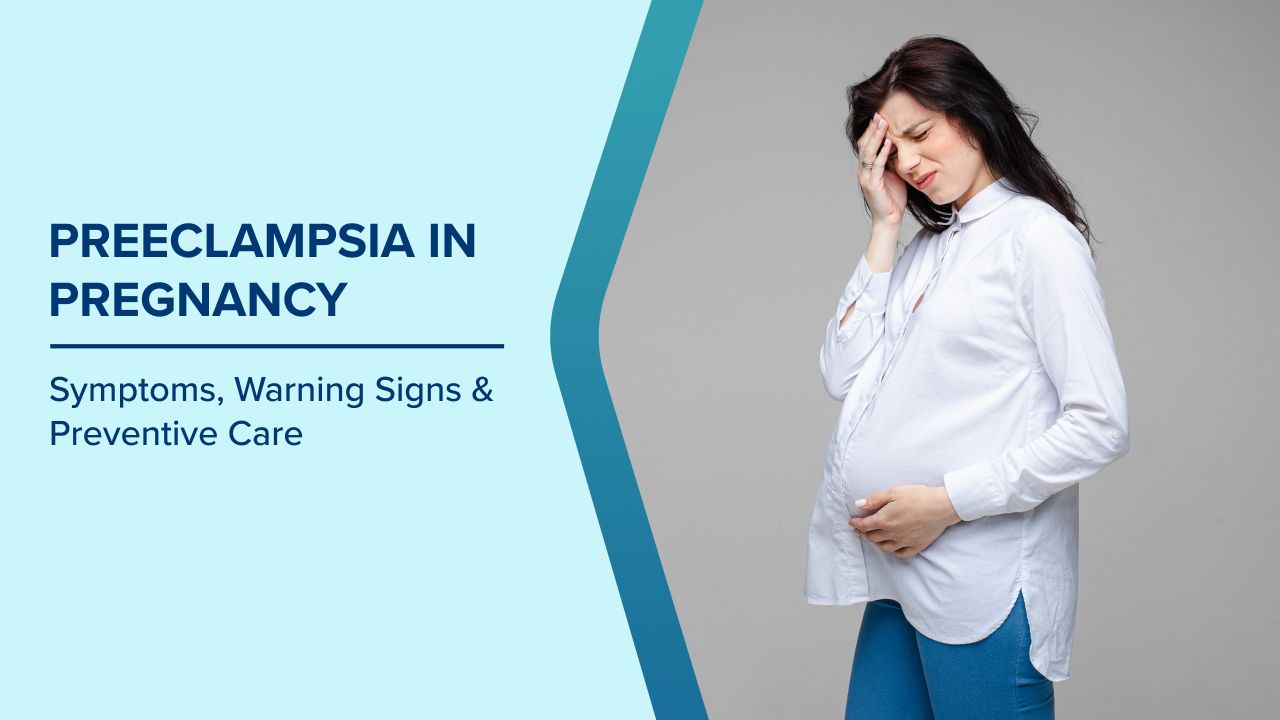
Call Us+91 926 888 0303Preeclampsia in Pregnancy: Symptoms, Warning Signs & Preventive Care
By Dr. Astha Srivastava in Obstetrics And Gynaecology
Jun 01 , 2026

Pregnancy brings many physical and emotional changes, most of which are a normal part of the journey. However, some conditions can develop quietly and become serious if not recognised early. One such condition is preeclampsia, a pregnancy-related complication that can affect both the mother and the baby.
Preeclampsia is often associated with high blood pressure during pregnancy, but the condition involves much more than a rise in blood pressure alone. It can affect multiple organs and may develop even in women who previously had healthy pregnancies. Not every pregnancy is affected by preeclampsia, though some conditions and factors may raise the chances of developing it.
What Is Preeclampsia?
Preeclampsia is a pregnancy complication that usually develops after 20 weeks of pregnancy. It is linked to changes in how blood vessels function and how the placenta develops during pregnancy.
The condition can range from mild to severe. In some cases, it progresses gradually, while in others it can worsen quickly. Because symptoms may initially appear subtle or may be mistaken for normal pregnancy discomforts, regular prenatal monitoring becomes extremely important.
Preeclampsia does not affect every pregnancy in the same way. Some women may experience only mild changes, while others may require close monitoring or early delivery.
Why Does Preeclampsia Develop?
Preeclampsia develops when the blood vessels involved in supporting the placenta do not adapt and function as expected during pregnancy. In a healthy pregnancy, these blood vessels widen to allow steady blood flow between the mother and the placenta.
When this process is affected, blood flow may become reduced, leading to changes in blood pressure, circulation, and the functioning of organs such as the kidneys and liver. These changes can gradually contribute to the development of preeclampsia during pregnancy.
Who Is More Likely to Develop Preeclampsia?
Certain factors can increase the likelihood of developing preeclampsia. Having one or more risk factors does not mean a woman will definitely develop the condition, but it may increase the need for closer observation during pregnancy.
First Pregnancy
Preeclampsia is more commonly seen during a first pregnancy. The body is adapting to pregnancy-related changes for the first time, which may influence how the placenta develops.
Previous History of Preeclampsia
Women with preeclampsia in a previous pregnancy have a higher chance of developing it again. The risk may be greater if the condition developed early or was severe during the previous pregnancy.
Family History
A family history of preeclampsia can increase risk. If a mother or sister had preeclampsia during pregnancy, the chances may be slightly higher. This suggests that genetic and inherited factors may play a role.
Multiple Pregnancy
Women carrying twins or triplets are at higher risk because the placenta places greater demands on the body. Multiple pregnancies may increase pressure on the circulatory system and placenta.
High Blood Pressure Before Pregnancy
Women who already have chronic hypertension before pregnancy are more likely to develop preeclampsia. Existing blood vessel changes may make it harder for the body to adapt to pregnancy.
Diabetes
Both type 1 diabetes and type 2 diabetes can increase the risk of preeclampsia. Diabetes affects blood vessels and circulation, which may contribute to pregnancy-related complications.
Kidney Disease
The kidneys play an important role in regulating blood pressure and fluid balance. Women with underlying kidney conditions may have a higher risk because pregnancy places additional strain on kidney function.
Autoimmune Conditions
Conditions such as lupus or antiphospholipid syndrome can increase the risk of abnormal blood vessel function and inflammation during pregnancy.
Obesity
Excess body weight before pregnancy may increase inflammation and place additional stress on the cardiovascular system. This can raise the risk of developing pregnancy-related hypertension, including preeclampsia.
Maternal Age
Pregnancy after the age of 35 may carry a slightly higher risk of preeclampsia. Very young mothers may also have an increased risk in some cases.
Long Gap Between Pregnancies
A significant gap between pregnancies may slightly increase the risk, even if a previous pregnancy was healthy.
Early Warning Signs of Preeclampsia
One of the challenges with preeclampsia is that symptoms may begin gradually. Some women may feel completely normal in the early stages, which is why routine prenatal check-ups are essential. Still, certain warning signs should never be ignored.
Persistent Headaches
Frequent or severe headaches that do not improve with rest may be an early warning sign. These headaches may feel different from typical pregnancy-related discomfort.
Swelling That Appears Sudden or Severe
Mild swelling can be normal during pregnancy, especially in the feet. However, sudden swelling in the face, hands, or around the eyes may require medical evaluation.
Vision Changes
Blurred vision, sensitivity to light, flashing lights, or temporary vision disturbances can occur when preeclampsia affects circulation. These symptoms should always be reported promptly.
Upper Abdominal Pain
Pain or discomfort under the ribs, especially on the right side, may indicate liver involvement. This symptom is not always severe, but should not be ignored.
Sudden Weight Gain
Rapid weight gain over a short period may be related to fluid retention. Although weight naturally increases during pregnancy, sudden changes may need medical attention.
Shortness of Breath
Difficulty breathing or unexplained breathlessness may occur if fluid accumulates in the lungs. This symptom may indicate worsening disease and requires immediate medical care.
Reduced Urine Output
Changes in urination patterns may reflect kidney involvement.
Why Regular Prenatal Visits Matter
Because symptoms can be subtle, prenatal check-ups often detect early changes before a woman notices symptoms herself.
During these visits, doctors monitor:
- Blood pressure
- Urine protein levels
- Weight changes
- Swelling
- General maternal and fetal well-being
Routine monitoring allows healthcare providers to identify concerns early and manage them appropriately.
Preeclampsia Can Sometimes Develop Silently
Preeclampsia does not always cause obvious symptoms in the early stages. In some pregnancies, changes such as high blood pressure or protein in the urine may only be identified during routine antenatal check-ups.
This is why regular prenatal visits remain important throughout pregnancy, even when everything appears normal.
How Is Preeclampsia Managed?
Management depends on:
- Severity of the condition
- Stage of pregnancy
- Maternal health
- Baby's condition
Some women may only require closer observation and regular monitoring. Others may need medications, hospital monitoring, or planned early delivery if the condition becomes severe. The goal is always to protect both mother and baby while allowing the pregnancy to continue safely whenever possible.
Importance of Early Monitoring and Preventive Care
Although preeclampsia cannot always be completely prevented, identifying risk factors early can help lower the chances of serious complications. Ongoing prenatal monitoring allows doctors to track blood pressure changes, assess overall maternal health, and manage any underlying medical conditions that may increase risk.
In some high-risk pregnancies, preventive measures, such as closer monitoring or low-dose aspirin, may be advised under medical supervision.
When Should You Seek Immediate Medical Attention?
Contact your doctor immediately if you experience:
- Severe headaches
- Vision disturbances
- Sudden swelling
- Severe abdominal pain
- Difficulty breathing
- Reduced baby movements
Prompt evaluation can help prevent serious complications.
Conclusion
Preeclampsia is a serious pregnancy complication that can sometimes develop quietly. Understanding who may be at higher risk and recognising early warning signs can help ensure earlier diagnosis and safer care.
Not every woman with risk factors will develop preeclampsia, and some women with no obvious risks may still experience it. This is why regular prenatal monitoring remains one of the most important parts of pregnancy care.
Awareness, early attention to symptoms, and timely medical guidance can make a significant difference in protecting both mother and baby throughout pregnancy.
Frequently Asked Questions
1. Can preeclampsia happen in an otherwise healthy pregnancy?
Yes, preeclampsia can sometimes develop even in women with no previous health issues or obvious risk factors.
2. Does swelling always mean preeclampsia?
No, mild swelling is common during pregnancy. However, sudden or severe swelling should be evaluated by a doctor.
3. Can preeclampsia develop before 20 weeks of pregnancy?
It is uncommon before 20 weeks, but rare early cases can occur under specific medical circumstances.
4. Is bed rest enough to manage preeclampsia?
Management depends on severity. Some cases require close monitoring, medications, or hospital care.
5. Can preeclampsia affect future pregnancies?
Women who have had preeclampsia may have a higher chance of developing it again in future pregnancies.
Written and Verified by:

Related Blogs

Dr. Manju Khemani In Obstetrics And Gynaecology
Oct 27 , 2020 | 3 min read

Dr. Neera Aggarwal In Obstetrics And Gynaecology , Nutrition And Dietetics
Nov 07 , 2020 | 7 min read
Blogs by Doctor

Living with PCOS: Embracing the Daily Challenges and Finding Strength
Dr. Astha Srivastava In Obstetrics And Gynaecology
Apr 28 , 2025 | 4 min read
Weeks 1 and 2 of Pregnancy: What You Need to Know
Dr. Astha Srivastava In Obstetrics And Gynaecology
Jul 16 , 2025 | 7 min read
Most read Blogs

Related Blogs
Dr. Manju Khemani In Obstetrics And Gynaecology
Oct 27 , 2020 | 3 min read
Dr. Neera Aggarwal In Obstetrics And Gynaecology , Nutrition And Dietetics
Nov 07 , 2020 | 7 min read
Blogs by Doctor
Living with PCOS: Embracing the Daily Challenges and Finding Strength
Dr. Astha Srivastava In Obstetrics And Gynaecology
Apr 28 , 2025 | 4 min read
Weeks 1 and 2 of Pregnancy: What You Need to Know
Dr. Astha Srivastava In Obstetrics And Gynaecology
Jul 16 , 2025 | 7 min read
Most read Blogs