 WhatsApp Us (24/7)
 +91 926 888 0303 (24/7)


To Book an Appointment
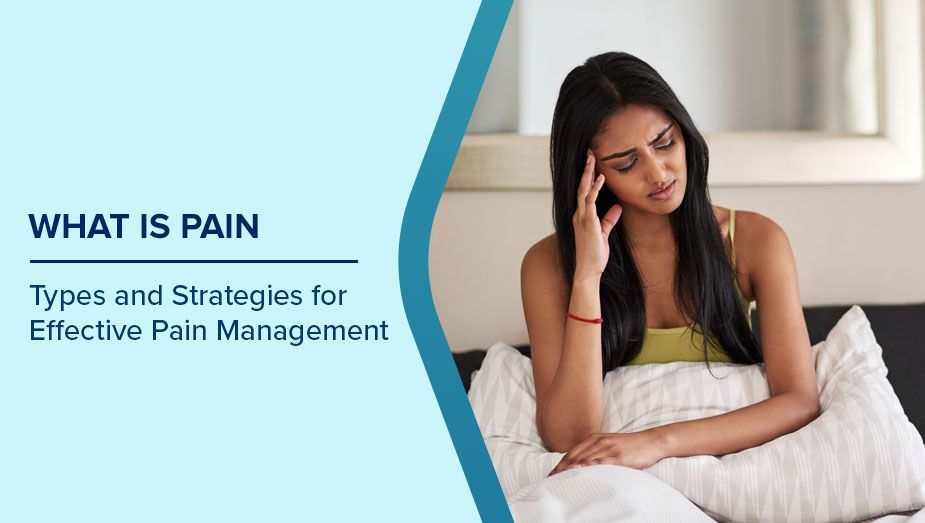
Call Us+91 926 888 0303What is Pain: Types and Strategies for Effective Pain Management
By Dr. Dheeraj Dumir in Pain Management , Cardiac Anesthesia
Jan 05 , 2026 | 5 min read

Pain is a universal experience, it is the fifth vital sign. It can be one of the most debilitating challenges a person can face. Whether it’s acute pain resulting from an injury or surgery or chronic pain stemming from conditions like arthritis or fibromyalgia, managing pain effectively is crucial for improving quality of life. In this comprehensive guide, we will explore pain management from various angles to help patients understand their options and empower them to take control of their pain relief journey.
What is Pain?
Understanding pain is important before exploring the various pain treatment techniques. The body's reaction to damage, inflammation, or illness can cause pain, which is a complicated sensory and affective experience.
- Acute Pain: Temporary discomfort that is usually brought on by an infection, accident, or surgery. Acute pain acts as a warning to keep the body safe from more harm. Acute discomfort typically goes away if the underlying cause is addressed. It lasts from seconds to 6 months.
- Chronic Pain: Pain that frequently has no apparent reason and lasts longer than three months. Chronic pain can be brought on by diseases like fibromyalgia, arthritis, or nerve damage. The physical and mental health of an individual can be greatly impacted by this kind of suffering. It lasts for 6 months or longer.
Pain can vary in intensity, frequency, and type (sharp, dull, burning, throbbing, etc.). Understanding the nature of your pain is an important first step in determining the best management strategies.
The Importance of Pain Management
Improving a patient's general health is the goal of effective pain treatment, not only easing their agony. If left untreated, pain can result in both psychological and physical issues, including:
- Reduced mobility: Pain often causes people to avoid movement, which can lead to muscle weakness and a reduced range of motion.
- Depression and anxiety: Chronic pain can trigger or exacerbate mental health conditions, leading to a cycle of pain and emotional distress.
- Sleep disturbances: Pain often disrupts sleep, and insufficient rest can worsen both physical and emotional health.
- Decreased quality of life: When pain is not managed properly, it can limit a person’s ability to participate in daily activities, work, or social events.
Pain management, therefore, involves not only controlling the physical sensation but also addressing the emotional and psychological aspects of pain.
Types of Pain Management Strategies
As each individual’s experience with pain is unique, a combination of treatments often works best. Here are the most common pain management strategies used in clinical practice.
1. Medications
Medications are one of the most common ways to manage pain, ranging from over-the-counter options to more specialised prescriptions.
- Over-the-counter (OTC) pain relievers: These include drugs like acetaminophen (Tylenol) and nonsteroidal anti-inflammatory drugs (NSAIDs) like ibuprofen (Advil) and naproxen (Aleve). OTC medications are effective for mild to moderate pain, such as headaches, minor injuries, and arthritis flare-ups.
- Prescription medications: For moderate to severe pain, doctors may prescribe opioids (e.g., morphine, oxycodone), though their use is often limited due to the risk of addiction and side effects. Other prescription medications include stronger NSAIDs, muscle relaxants, and anticonvulsants, which can be used for nerve-related pain.
- Topical analgesics: Creams, patches, and gels that can be applied directly to the skin to provide localised pain relief.
2. Physical Therapy
Physical therapy (PT) is a cornerstone of pain management, particularly for musculoskeletal pain. PT involves exercises, stretches, and other techniques aimed at improving mobility, strengthening muscles, and reducing pain.
A trained physical therapist will assess your condition and create a personalised treatment plan. Physical therapy is particularly helpful for conditions like back pain, arthritis, sports injuries, and recovery after surgery. Regular physical therapy can help prevent further injury, improve posture, and reduce reliance on pain medications.
3. Alternative Therapies
- Acupuncture: Thin needles are inserted into particular body sites in traditional Chinese medicine in order to reduce pain and encourage recovery. Chronic pain disorders like osteoarthritis, migraines, and lower back pain are frequently treated with acupuncture.
- Chiropractic care: Chiropractors focus on manipulating the spine to improve alignment and relieve pain. This therapy can be especially effective for back, neck, and joint pain.
- Massage therapy: Therapeutic massage is commonly used for muscle strains, stress-related pain, and tension headaches.
- Mindfulness and meditation: Techniques like mindfulness-based stress reduction (MBSR) and meditation can be effective in managing the psychological aspects of pain.
4. Interventional Procedures
For some individuals with chronic pain, interventional procedures may be necessary to provide more targeted relief. These treatments often involve injections or minimally invasive procedures that deliver medication or use physical methods to treat pain at its source.
- Epidural steroid injections: Used for conditions like herniated discs or spinal stenosis, these injections deliver steroids directly into the epidural space around the spinal cord to reduce inflammation and relieve pain.
- Nerve blocks: Injections that interrupt pain signals from specific nerves can provide significant relief for conditions like migraines, arthritis, or nerve damage.
- Radiofrequency ablation: A common treatment for joint or spine pain involves applying heat to damage the nerve tissue that transmits pain signals.
5. Psychological Approaches
Pain often has a psychological component, and addressing these aspects can improve overall pain management. Cognitive-behavioral therapy (CBT) is a well-known psychological approach that helps patients change their perceptions of pain and develop better coping strategies.
CBT teaches individuals how to manage the negative emotions, thoughts, and behaviours that arise from chronic pain. Other psychological approaches like biofeedback and relaxation techniques can also help patients regain control over their pain response.
6. Lifestyle Modifications
- Diet: Particularly for ailments like arthritis, a nutritious, anti-inflammatory diet might help lessen discomfort. Foods high in vitamins, antioxidants, and omega-3 fatty acids can help lower inflammation.
- Exercise: Frequent, mild exercise can increase mobility and lessen pain. Walking, yoga, and swimming are all great low-impact exercises for people with chronic pain.
- Sleep hygiene: Pain levels can be considerably reduced by enhancing the quality of sleep. To ensure restorative sleep, it's critical to manage stress, create a peaceful environment, and establish a regular sleep schedule.
- Stress management: Since stress makes pain worse, it can be beneficial to practice relaxation methods like mindfulness, deep breathing, or meditation.
Conclusion
Pain management often requires a multidisciplinary approach. Whether it’s through medications, physical therapy, alternative therapies, psychological approaches, or lifestyle changes, managing pain effectively can lead to improved quality of life and better overall health.
If you’re struggling with pain, remember that you don’t have to face it alone. Consult with your healthcare team to explore your options, understand the risks and benefits, and develop a comprehensive plan for your unique needs. Pain may be a part of life, but it doesn’t have to control your life.
Frequently Asked Questions
Can medications alone manage my pain?
Medications can help but work best when combined with therapies like physical therapy or lifestyle changes.
How does physical therapy aid in managing pain?
Physical therapy improves strength, flexibility, and mobility, reducing pain and preventing future injuries.
Is acupuncture effective for pain relief?
Acupuncture can reduce chronic pain, like arthritis and migraines, by stimulating specific body points.
What role does stress play in pain?
Stress increases pain by tightening muscles and raising inflammation, so managing stress can help reduce pain.
How can lifestyle changes help with chronic pain?
Diet, exercise, better sleep, and stress management can help in decreasing pain.
When should I seek medical help for pain?
Seek medical help if the pain lasts more than a few days, worsens, or disrupts daily activities.
Written and Verified by:

Related Blogs

Dr. Amod Manocha In Pain Management
Oct 27 , 2020 | 1 min read

Dr. Manish Marda In Pain Management
Jun 30 , 2017 | 20 min read
Blogs by Doctor

How to Find the Best Pain Management Specialist for Personalized Care
Dr. Dheeraj Dumir In Pain Management , Cardiac Anesthesia
Jan 07 , 2025 | 6 min read
Most read Blogs


Related Blogs
Dr. Amod Manocha In Pain Management
Oct 27 , 2020 | 1 min read
Dr. Manish Marda In Pain Management
Jun 30 , 2017 | 20 min read
Blogs by Doctor
How to Find the Best Pain Management Specialist for Personalized Care
Dr. Dheeraj Dumir In Pain Management , Cardiac Anesthesia
Jan 07 , 2025 | 6 min read
Most read Blogs