 WhatsApp Us (24/7)
 +91 926 888 0303 (24/7)


To Book an Appointment
Call Us+91 926 888 0303What is Ovulation: 9 Signs and Symptoms Every Woman Should Know
By Dr. Suman Lal in Obstetrics And Gynaecology
May 01 , 2026
4

Ovulation is a vital part of the menstrual cycle, and the body sends out clear signs when it happens. These signs might not be easily noticeable, but indicate much more about a woman's health than most of us realise. Knowing what to look for makes it easier to understand the menstrual cycle, recognise what is normal for the body, and make informed decisions. In this blog, we walk you through 9 key signs and symptoms of ovulation that every woman should know, whether you are trying to conceive, keeping a close eye on your health, or simply want to feel more in tune with your body and what it goes through each month. Let’s start with the basics.
What is Ovulation?
Ovulation is a phase in the menstrual cycle when one of the ovaries releases an egg. This usually happens once in each cycle, around the middle, though the exact timing can vary. After the egg is released, it moves into the fallopian tube, where it can be fertilised if sperm is present. This is the time when the chances of pregnancy are highest. If fertilisation does not occur, the egg breaks down, and the cycle continues towards the next menstrual period.
When Does Ovulation Occur in the Menstrual Cycle?
Ovulation usually occurs around the middle of the menstrual cycle. In a typical 28-day cycle, it tends to happen around day 14, counting from the first day of the period. The exact timing can vary depending on cycle length. In shorter cycles, ovulation may occur earlier, and in longer cycles, it may happen later. It generally takes place about 12 to 14 days before the next period begins, rather than on a fixed day each month.
9 Signs and Symptoms of Ovulation
The body often gives clear signals during ovulation, though they can be easy to miss without close attention. Below are 9 common signs and symptoms that can help identify when ovulation is taking place:
1. Changes in Cervical Mucus
One of the most reliable signs of ovulation is a change in cervical mucus. As ovulation approaches, you may notice the mucus becoming clearer, wetter, and stretchier, closely resembling the texture of raw egg whites. This is the body's way of creating the ideal environment for sperm to travel, and tracking this pattern over a few cycles can help you identify your fertile window with ease.
2. A Rise in Basal Body Temperature
Basal body temperature, or BBT, is the body's resting temperature measured first thing in the morning. Around ovulation, a slight rise of 0.2 to 0.5 degrees Celsius occurs due to an increase in progesterone. Tracking this consistently over time helps you spot a pattern and predict ovulation in future cycles.
3. Mild Pelvic Pain or Cramping
Some women experience a dull ache or a sharp twinge on one side of the lower abdomen during ovulation, a sensation commonly known as Mittelschmerz. It is caused by the follicle rupturing to release the egg and usually lasts only a few minutes to a couple of hours. It is harmless and can even indicate which ovary is active that month.
4. Breast Tenderness
The surge in estrogen and luteinizing hormone around ovulation can make the breasts feel tender or more sensitive than usual. For some women it is barely noticeable, while for others it can feel quite pronounced. If this sensitivity follows a pattern each month, it is likely your body signaling that ovulation is underway.
5. Heightened Sense of Smell
Many women notice that their sense of smell becomes sharper around ovulation. This is linked to the hormonal changes occurring during this phase and can make certain scents feel more intense than usual. It is a subtle sign, but one worth paying attention to as part of a broader picture of your cycle.
6. Light Spotting
A small amount of light spotting or pinkish discharge around the middle of your cycle can indicate ovulation. It occurs when the follicle ruptures to release the egg and is usually very brief, lasting only a day or so. It is completely normal, though not every woman experiences it.
7. Increased Sex Drive
A natural rise in libido around mid-cycle is the body's biological way of encouraging reproduction during its most fertile phase. This is driven by the surge in estrogen and testosterone around ovulation. Noticing a consistent pattern in your energy and desire levels each month can serve as a helpful supporting sign.
8. Changes in Cervical Position
Around ovulation, the cervix moves higher, becomes softer, and opens slightly to allow sperm to pass through more easily. Outside of this phase, it sits lower, feels firmer, and stays more closed. With a little practice, tracking cervical position can become a useful tool for understanding where you are in your cycle.
9. Bloating or Water Retention
Mild bloating or a feeling of fullness in the lower abdomen is common around ovulation due to hormonal shifts, particularly rising estrogen levels. It is usually lighter than premenstrual bloating and passes quickly. Think of it as a temporary side effect of all the hormonal activity your body is going through during this phase.
How to Track Ovulation Effectively
Tracking ovulation does not have to be complicated. Here are the most effective ways to do it:
- Changes in cervical mucus: Cervical mucus often becomes clear, stretchy, and similar to egg white around ovulation. This type of discharge supports sperm movement and is one of the most noticeable signs.
- Mild pelvic or lower abdominal pain: A slight pain or cramp may be felt on one side of the lower abdomen. This can happen when the ovary releases an egg and usually lasts for a short time.
- Rise in basal body temperature: Basal body temperature increases slightly after ovulation. The change is small but can be tracked over time to understand cycle patterns.
- Increased sexual desire: A natural rise in libido may occur during this phase, linked to hormonal changes in the body.
- Breast tenderness: Hormonal shifts around ovulation can make the breasts feel sore or sensitive for a short period.
- Light spotting or discharge: Some may notice very light spotting or a slight change in discharge around ovulation. This is not common for everyone but can occur.
- Heightened sense of smell or taste: Sensitivity to smells or tastes may increase during this time due to hormonal changes.
- Changes in cervical position: The cervix may feel softer, slightly higher, and more open during ovulation. This change can be observed with regular tracking.
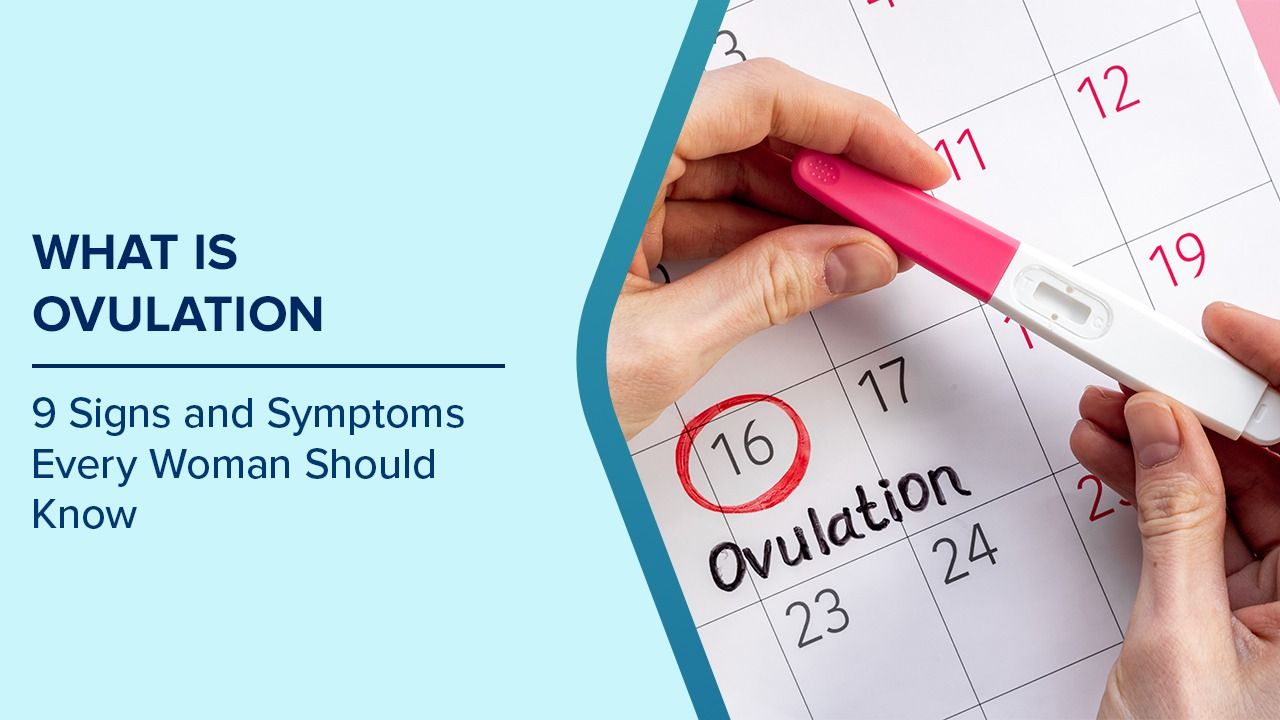
- Positive ovulation test result: Ovulation predictor kits detect a rise in hormone levels that occurs just before ovulation, helping to identify the fertile window more clearly.
When Should Medical Advice be Considered?
Certain changes in the menstrual cycle or ovulation pattern may need medical attention:
- Irregular cycles: Periods that do not follow a consistent pattern or vary widely each month
- Long gaps between periods: Cycles that are unusually far apart or missed for several months
- Difficulty identifying ovulation signs: No clear symptoms observed over multiple cycles
- Severe pain: Strong or persistent pelvic or abdominal pain during the cycle
- Unusual bleeding: Spotting that is heavy, frequent, or occurs outside the usual cycle pattern
- Trouble conceiving: No pregnancy after regular attempts over a period of time
Consult Today
Now that you know what your body is trying to tell you, the next step is simply to start paying attention. If you notice anything irregular, such as consistently painful ovulation, unpredictable cycles, or signs that something feels off, that is your cue to seek expert guidance. Our specialist gynecologists at Max Hospital are here to help you make sense of what you are experiencing and give you the care and answers you deserve. Book a consultation today and take that first step toward truly knowing your body.
Frequently Asked Questions
Can ovulation happen without noticeable symptoms?
Yes, ovulation can occur without clear or noticeable signs. Some cycles may not show obvious physical changes, which can make it harder to identify without tracking methods.
How long does the ovulation phase last?
The release of the egg is brief, but the fertile window usually lasts a few days due to the lifespan of sperm and the egg.
Can stress affect ovulation?
Yes, high stress levels can disrupt hormonal balance and may delay or affect ovulation in some cycles.
Is it possible to ovulate more than once in a cycle?
Ovulation typically happens once per cycle, but in rare cases, more than one egg can be released within a short time frame.
Does ovulation always occur at the same time every month?
No, the timing of ovulation can shift from cycle to cycle, even in those with otherwise regular periods.
Can lifestyle factors influence ovulation?
Factors such as sleep patterns, diet, and physical activity levels can have an impact on hormonal balance and ovulation.
Is ovulation the same as the fertile window?
No, ovulation refers to the release of the egg, while the fertile window includes the days leading up to and just after ovulation.
Can certain medical conditions affect ovulation?
Yes, conditions related to hormones or reproductive health can interfere with regular ovulation and may require medical attention.
Written and Verified by:

Related Blogs

Dr. Manju Khemani In Obstetrics And Gynaecology
Oct 27 , 2020 | 3 min read

Dr. Neera Aggarwal In Obstetrics And Gynaecology , Nutrition And Dietetics
Nov 07 , 2020 | 7 min read
Blogs by Doctor

Complete Guide to A Healthy Pregnancy
Dr. Suman Lal In Obstetrics And Gynaecology
Aug 29 , 2019 | 3 min read

The Role of Nutrition in Women’s Health: Key Insights
Dr. Suman Lal In Obstetrics And Gynaecology , Nutrition And Dietetics
Jan 22 , 2024 | 6 min read
Most read Blogs

Related Blogs
Dr. Manju Khemani In Obstetrics And Gynaecology
Oct 27 , 2020 | 3 min read
Dr. Neera Aggarwal In Obstetrics And Gynaecology , Nutrition And Dietetics
Nov 07 , 2020 | 7 min read
Blogs by Doctor
Complete Guide to A Healthy Pregnancy
Dr. Suman Lal In Obstetrics And Gynaecology
Aug 29 , 2019 | 3 min read
The Role of Nutrition in Women’s Health: Key Insights
Dr. Suman Lal In Obstetrics And Gynaecology , Nutrition And Dietetics
Jan 22 , 2024 | 6 min read
Most read Blogs