 WhatsApp Us (24/7)
 +91 926 888 0303 (24/7)


To Book an Appointment
Call Us+91 926 888 0303Interstitial Lung Disease (ILD): Nutrition, Breathing & Emotional Support Tips
By Dr. Vivek Nangia in Pulmonology
Jan 05 , 2026 | 4 min read

Living with Interstitial Lung Disease (ILD) means making thoughtful changes to everyday life to protect your lungs and improve your overall well-being. Though ILD is a long-term condition that affects breathing, many people live fulfilling lives by managing their health through positive habits, emotional support, and practical adjustments.
What is Interstitial Lung Disease (ILD)?
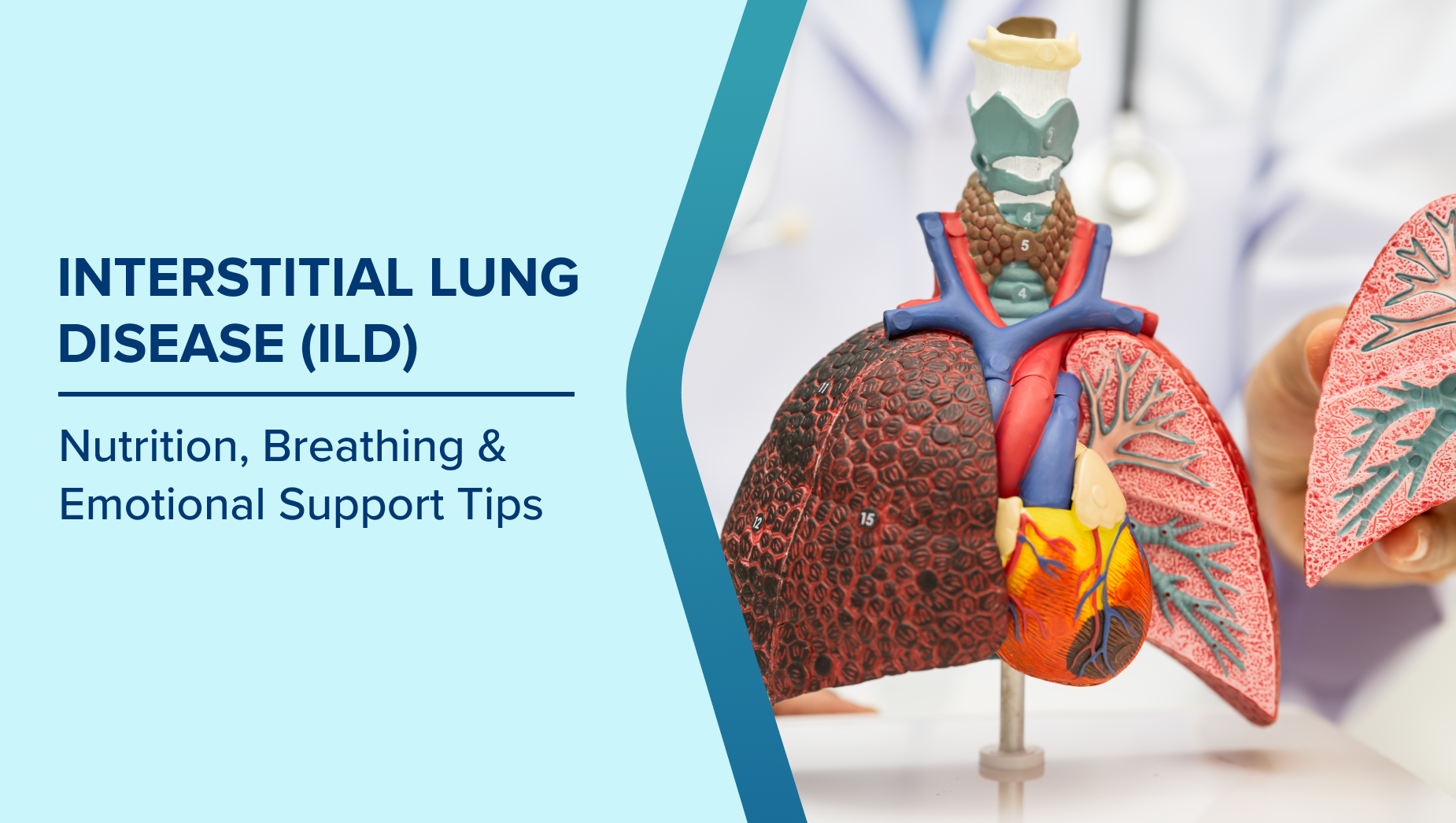
Interstitial Lung Disease (ILD) refers to a group of lung disorders that involve inflammation and scarring (fibrosis) of the lung tissue. These changes affect the lungs' ability to transfer oxygen into the bloodstream, making breathing more difficult. The condition can vary in severity and progression, and its causes can be diverse, including environmental exposures, autoimmune diseases, and sometimes no known cause at all. ILD is often a long-term condition, but with the right care and lifestyle adjustments, many individuals manage to live fulfilling lives.
Making Daily Life Easier with ILD
Living with ILD often means adjusting your pace, planning ahead, and closely monitoring your body’s signals. Energy levels can vary from day to day, so learning to pace yourself is key.
Daily tips to simplify life
- Spread out tasks to avoid fatigue.
- Take breaks between activities.
- Use stools or chairs while cooking or grooming.
- Keep necessary items within easy reach.
- Use carts or baskets to avoid carrying heavy loads.
Helpful Breathing Techniques
Breathlessness is a common concern with ILD. Practising certain breathing exercises every day can help improve oxygen intake and make breathing easier over time.
Effective techniques include
- Pursed-lip breathing: Breathe in through the nose and out slowly through pursed lips to control shortness of breath.
- Diaphragmatic breathing: Focuses on using the belly muscles instead of the chest for deeper breaths.
- Pacing with breathing: Coordinate breathing with movements, like inhaling before standing and exhaling while lifting.
Doing these exercises regularly helps reduce anxiety and gives you more control over your breath.
Emotional and Mental Well-Being
Living with a chronic illness like ILD can affect how you feel mentally and emotionally. It’s completely normal to experience frustration, sadness, or even fear at times.
Ways to support your emotional health
- Share your feelings honestly with those close to you.
- Become part of a support network where you can share experiences with others navigating similar difficulties.
- Try calming your mind through simple methods such as mindful breathing, quiet reflection, or writing down your thoughts regularly.
- Take part in hobbies that bring joy and distraction.
- If your emotions start to feel too intense or difficult to manage, consider reaching out to a mental health expert for support.
Nutrition and Healthy Eating Habits
A well-balanced diet plays a key role in keeping your lungs healthy and improving overall energy levels. It also helps in managing weight effectively, which can ease the pressure on your lungs and support better breathing.
Nutrition tips for ILD
- Have light meals at regular intervals to prevent discomfort from overeating.
- Include a variety of seasonal fruits, leafy greens, healthy protein sources, and fibre-rich whole grains in your daily meals.
- Avoid foods that are highly refined or contain excessive amounts of salt or sugar.
- Ensure you consume enough fluids to maintain hydration unless your healthcare provider recommends a different approach.
Planning meals ahead and cooking in batches can help conserve energy on tiring days.
Staying Physically Active
Regular movement, even in small amounts, is beneficial for people with ILD. It can help maintain muscle strength, support lung function, and improve mood.
Activity tips
- Opt for gentle activities such as walking, mild stretching, or practising yoga.
- It's important to prepare your body with a warm-up before any physical activity and take time to cool down afterwards.
- Use portable oxygen if prescribed and recommended during activity.
- Pay attention to your body’s signals and take breaks when necessary to prevent overstraining.
Before starting any new activity or exercise routine, consult your doctor or respiratory therapist.
Building a Reliable Support System
Having a reliable support system is crucial for individuals coping with ILD. Whether it's family, friends, or a trusted health team, knowing you’re not alone can make a big difference.
Support system essentials
- Keep emergency contact numbers easily accessible.
- Ask for help with tasks when needed—don’t hesitate to delegate.
- Attend regular follow-up visits with your healthcare provider.
- Stay in touch with others through calls, messages, or video chats to avoid social isolation.
Even small gestures of connection can go a long way in lifting your mood and reducing stress.
Conclusion
Living with Interstitial Lung Disease doesn’t mean giving up your quality of life—it just means approaching it differently. By creating a supportive routine that includes healthy eating, gentle physical activity, proper breathing techniques, and emotional care, you can continue to do many of the things you enjoy. The key is to pace yourself, stay informed, and surround yourself with a positive, encouraging environment.
Frequently Asked Questions
Can houseplants help or harm my breathing with ILD?
Some houseplants improve air quality, but others can carry mold or pollen. Choose low-allergen plants and keep them well-maintained.
Should I change how I dress if I have ILD?
Yes, wearing loose, comfortable clothing can help avoid chest restriction and make breathing easier, especially during activity.
Can ILD affect how I eat or digest food?
Yes, feeling breathless while eating is common. Eating slowly and in smaller portions can make mealtimes more comfortable.
Is travelling possible with ILD?
Travel is possible with planning. Speak to your doctor about oxygen needs, medications, and any necessary documents before a trip.
What hobbies are good for people with ILD?
Gentle, relaxing hobbies like painting, reading, gardening (with a mask), or listening to music can be uplifting without straining the lungs.
Written and Verified by:

Related Blogs

Medical Expert Team
Jun 06 , 2015 | 2 min read

Blogs by Doctor

Air Pollution, Diwali And COVID 19 – A Deadly Combination ?
Dr. Vivek Nangia In Pulmonology
Nov 09 , 2021 | 3 min read

COPD (Chronic Obstructive Pulmonary Disease)
Dr. Vivek Nangia In Pulmonology
Nov 17 , 2021 | 1 min read
Most read Blogs


Related Blogs
Medical Expert Team
Jun 06 , 2015 | 2 min read
Blogs by Doctor
Air Pollution, Diwali And COVID 19 – A Deadly Combination ?
Dr. Vivek Nangia In Pulmonology
Nov 09 , 2021 | 3 min read
COPD (Chronic Obstructive Pulmonary Disease)
Dr. Vivek Nangia In Pulmonology
Nov 17 , 2021 | 1 min read
Most read Blogs