 WhatsApp Us (24/7)
 +91 926 888 0303 (24/7)


To Book an Appointment
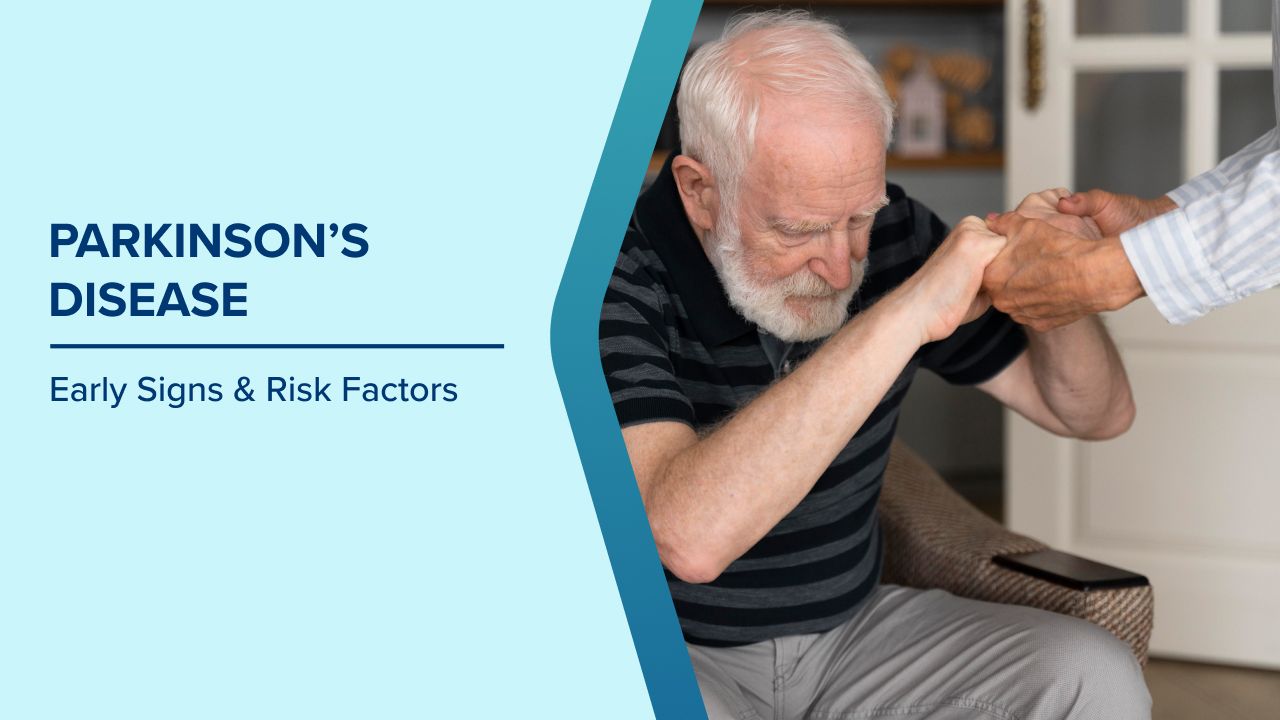
Call Us+91 926 888 0303What is Early-Onset Parkinson’s Disease: Early Signs & Risk Factors
By Dr. Rahul Mahajan in Neurology
May 19 , 2026

Early-onset Parkinson’s disease refers to Parkinson’s diagnosed before the age of 50, sometimes even as early as the 30s or 40s. While often associated with older adults, Parkinson’s under 50 is increasingly recognised, though early symptoms are frequently overlooked or mistaken for stress or fatigue. Common symptoms of Parkinson’s include tremors, stiffness, and slowed movement, which can impact daily life and work. Early diagnosis is crucial, as timely management can significantly improve quality of life and long-term outcomes.
What Is Early-Onset Parkinson’s Disease?
Early-onset Parkinson’s disease (EOPD) is a form of Parkinson’s diagnosed in individuals younger than 50. It falls under the broader category of Parkinson’s disease, a neurological condition that affects movement due to reduced dopamine levels in the brain.
The key difference lies in the age of onset. While typical Parkinson’s develops after 60, young-onset Parkinson’s appears earlier and may present differently. People with EOPD often face unique challenges related to career, family, and long-term disease management.
How Is It Different from Late-Onset Parkinson’s?
- Symptom Progression: In early-onset cases, symptoms often progress more slowly compared to late-onset Parkinson’s. This means individuals may live longer with the condition but require extended management.
- Response to Treatment: Younger patients generally respond well to medications initially. However, long-term use can lead to side effects such as involuntary movements (dyskinesia).
- Long-Term Impact: Because the condition starts earlier, it can affect working years, financial stability, and family responsibilities more significantly than later-onset Parkinson’s.
Early Signs and Symptoms to Watch For
Recognising early Parkinson’s symptoms is essential for timely diagnosis. Symptoms may vary from person to person and can be subtle at first.
Motor Symptoms
- Tremors in young adults, often starting in one hand or finger
- Muscle stiffness or rigidity
- Slowed movements (bradykinesia)
- Changes in posture or balance
- Reduced facial expression
Non-Motor Symptoms
- Persistent fatigue
- Depression or anxiety
- Sleep disturbances
- Loss of sense of smell
- Difficulty concentrating
These symptoms may appear gradually and are sometimes mistaken for lifestyle-related issues.
Causes and Risk Factors
The exact causes of Parkinson’s are not fully understood, but several factors may contribute:
- Genetic Factors: Early-onset Parkinson’s is more likely to have a genetic link compared to late-onset cases. Certain gene mutations can increase risk.
- Environmental Triggers: Exposure to toxins, pesticides, or pollutants may play a role, although evidence varies.
- Family History: Having a close relative with Parkinson’s can increase the likelihood of developing the condition at a younger age.
It’s important to note that not everyone with these risk factors will develop Parkinson’s.
Why Early-Onset Parkinson’s Is Often Missed
One of the biggest challenges with Parkinson’s disease under 50 is delayed diagnosis.
- Symptoms like fatigue or stiffness are often attributed to stress, work pressure, or ageing
- Tremors may be mild and intermittent in the early stages
- Younger individuals are less likely to be evaluated for neurological conditions
This delay can lead to months or even years before a correct diagnosis is made.
How Parkinson’s Disease Is Diagnosed
There is no single test for Parkinson’s. Diagnosis is primarily clinical and involves:
- Neurological examination to assess movement, reflexes, and coordination
- Medical history review to understand symptom progression
- Imaging tests (like MRI) to rule out other conditions
A neurologist evaluates patterns of symptoms over time before confirming the diagnosis.
Treatment Options and Management
While there is no cure, several Parkinson’s treatment options help manage symptoms effectively.
Medications
- Dopamine replacement therapies (such as levodopa)
- Medications that improve dopamine activity in the brain
These help control movement-related symptoms and improve daily functioning.
Lifestyle Management
- Regular exercise to maintain mobility and balance
- Balanced diet to support overall health
- Stress management through relaxation techniques
Lifestyle changes play a key role in living with Parkinson’s long-term.
Advanced Treatments
- Deep brain stimulation (DBS) may be recommended in some cases
- Typically considered when medications become less effective
Living with Parkinson’s Under 50
Being diagnosed with young-onset Parkinson’s affects more than just physical health.
- Career Impact: Managing symptoms while maintaining work performance can be challenging. Flexible schedules and workplace support can help.
- Emotional Health: Feelings of anxiety, frustration, or uncertainty are common. Counselling or support groups can provide valuable support.
- Social Life: Social interactions may change, but staying connected with family and friends is important for mental well-being.
Despite challenges, many individuals continue to lead active, fulfilling lives with proper care and support.
Long-Term Outlook and Disease Progression
The progression of Parkinson’s disease in early-onset cases varies widely. Some people experience slow progression over decades, while others may notice faster changes.
Ongoing medical care, regular monitoring, and treatment adjustments are essential. Early and consistent management can significantly improve quality of life.
When to See a Doctor
You should consult a doctor if you notice:
- Persistent tremors or shaking
- Unexplained stiffness or slow movement
- Changes in coordination or balance
- Symptoms that worsen over time
Early evaluation ensures accurate diagnosis and timely management.
Conclusion
Early-onset Parkinson’s disease requires awareness, timely diagnosis, and long-term management. Recognising early symptoms can help individuals seek care sooner and begin effective treatment. While being diagnosed under 50 presents unique challenges, many people successfully manage the condition with medication, lifestyle changes, and support. With the right approach, it is possible to maintain independence and quality of life. Staying informed and proactive is key to navigating life with Parkinson’s confidently.
Frequently Asked Questions
Can Parkinson’s disease start before age 40?
Yes, although rare, Parkinson’s can develop in people under 40. This is considered very early-onset Parkinson’s.
Is early-onset Parkinson’s hereditary?
It can be. Genetic factors play a greater role in younger patients than in late-onset cases.
How fast does early Parkinson’s progress?
Progression is usually slower than in older patients, but it varies from person to person.
Can young people live a normal life with Parkinson’s?
Many individuals lead active and productive lives with proper treatment, lifestyle adjustments, and support.
Are symptoms different in younger patients?
Yes, younger patients may experience more subtle symptoms initially and may develop treatment-related side effects earlier.
Can lifestyle changes slow Parkinson’s progression?
While lifestyle changes cannot stop the disease, regular exercise and healthy habits can improve symptoms and overall quality of life.
Written and Verified by:

Related Blogs


Oct 27 , 2020 | 3 min read
Blogs by Doctor

Struggling with a Stiff Neck and Headache? It Could Be Cervicogenic Pain
Dr. Rahul Mahajan In Neurology
May 07 , 2025 | 9 min read
What is Silent Mini Stroke (TIA): Warning Sign & Care
Dr. Rahul Mahajan In Neurology
Feb 22 , 2018 | 3 min read
Most read Blogs


Related Blogs
Oct 27 , 2020 | 3 min read
Blogs by Doctor
Struggling with a Stiff Neck and Headache? It Could Be Cervicogenic Pain
Dr. Rahul Mahajan In Neurology
May 07 , 2025 | 9 min read
What is Silent Mini Stroke (TIA): Warning Sign & Care
Dr. Rahul Mahajan In Neurology
Feb 22 , 2018 | 3 min read
Most read Blogs