 WhatsApp Us (24/7)
 +91 926 888 0303 (24/7)


To Book an Appointment
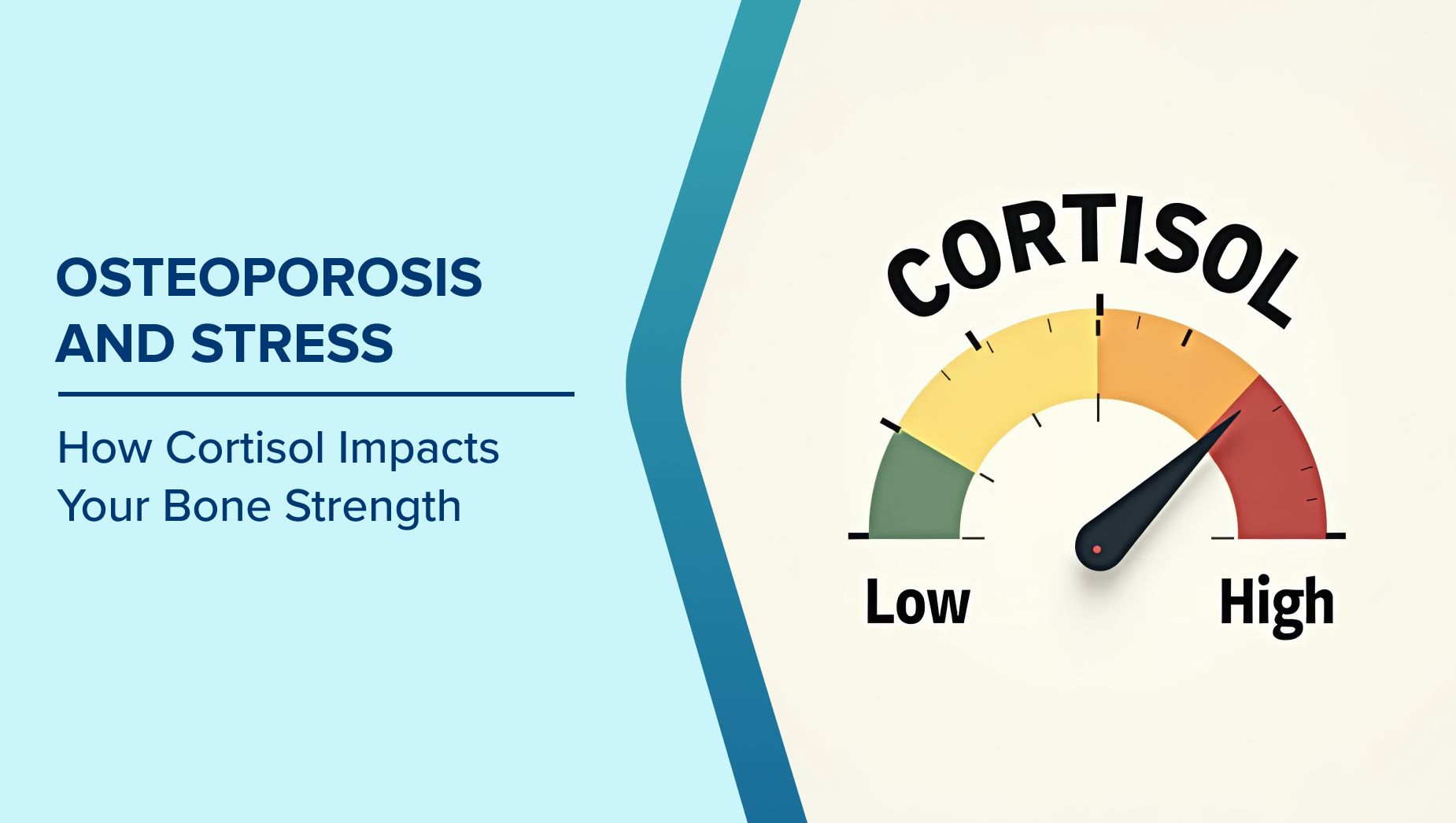
Call Us+91 926 888 0303Osteoporosis and Stress: How Cortisol Impacts Your Bone Strength
By Dr. Divyanshu Dutt Dwivedi in Orthopaedics & Joint Replacement
Nov 06 , 2025 | 6 min read

When people think about bone health, they often focus on calcium, vitamin D, or ageing. But there’s another hidden factor that silently affects bone strength: stress. Modern life constantly exposes us to stress, whether from work pressure, financial concerns, or personal challenges. While short bursts of stress are natural, long-term stress can take a serious toll on the body, particularly through the hormone cortisol.
Many are unaware that chronic stress and high cortisol levels can weaken bones over time, increasing the risk of osteoporosis. Understanding this mind-body connection is the initial step toward protecting both your emotional well-being and your bone health.
Understanding Osteoporosis
Osteoporosis is a condition where bones lose their density and become fragile, making them more prone to fractures even with minor falls or injuries. Bones are living tissues that constantly break down and rebuild, a process known as bone remodelling. When bone breakdown happens faster than bone formation, density decreases, leading to porous and brittle bones.
This condition often develops silently, without noticeable symptoms until a fracture occurs, which is why it’s known as a “silent” disease. Ageing, hormonal changes, nutritional deficiencies, and inactivity are well-known contributors. However, stress, particularly chronic psychological stress, plays a less recognised yet significant role in this gradual weakening of bones.
The Stress Connection
Stress triggers the body’s natural “fight or flight” response. In this state, the adrenal glands release cortisol, a hormone that helps manage energy, metabolism, and immune responses during stressful situations. In short-term doses, cortisol is helpful. It gives the body energy to cope with challenges and brings it back to balance once the stress passes.
The problem arises when stress becomes long-lasting. Constant high cortisol levels begin to interfere with normal body processes, including digestion, hormone regulation, and bone metabolism. Over time, this hormonal imbalance affects how the body absorbs nutrients and maintains bone strength, creating a subtle but real connection between the mind and the skeleton.
How Cortisol Affects Bone Strength
Cortisol has a powerful influence on bone health. In moderation, it helps regulate several metabolic functions, but when produced excessively for long periods, it disrupts the delicate balance between bone formation and resorption.
Here’s how prolonged cortisol exposure weakens bones:
- Reduced Bone Formation: Cortisol reduces the activity of osteoblasts, the cells responsible for forming new bone tissue. With fewer active osteoblasts, bones renew at a much slower rate.
- Increased Bone Breakdown: At the same time, cortisol accelerates the activity of osteoclasts, the cells that break down old bone. This imbalance leads to gradual bone thinning.
- Lower Calcium Absorption: Chronic stress and cortisol reduce calcium absorption in the intestines and increase calcium loss through urine, depriving bones of one of their most essential minerals.
- Hormonal Disruption: Elevated cortisol levels can suppress the production of oestrogen and testosterone, hormones that play a vital role in maintaining bone mass, especially in women after menopause.
- Impact on Muscle and Joints: High cortisol levels can lead to muscle weakness and fatigue, increasing the risk of falls and injuries, particularly in people with low bone density.
When these effects continue over time, they gradually set the stage for bone fragility and osteoporosis, even in individuals who appear otherwise healthy.
Signs Stress May Be Affecting Your Bones
The body often gives subtle signs when stress begins to interfere with bone health. Recognising these signals early can help prevent long-term damage.
- Persistent fatigue despite adequate rest
- Frequent muscle aches or joint discomfort
- Unexplained weight loss or appetite changes
- Increased anxiety, irritability, or sleep disturbances
- Recurrent minor injuries or slow recovery after falls
While these symptoms may not directly point to osteoporosis, they often reflect the body’s struggle to maintain balance under chronic stress. Ignoring them can allow hormonal imbalances to progress, eventually impacting bone strength.
Ways to Protect Bone Health from Stress
Protecting your bones isn’t just about taking calcium supplements; it’s about adopting a holistic lifestyle that supports both mental and physical health. Managing stress effectively can restore hormonal balance and preserve bone density. Here are some practical approaches:
Eat a Balanced, Nutrient-Rich Diet
A diet that supports bone health and lowers stress is key. Include:
- Calcium-rich foods like dairy products, leafy greens, almonds, and sesame seeds.
- Vitamin D sources such as fortified cereals, eggs, and moderate sunlight exposure.
- Magnesium and zinc, found in whole grains, nuts, and seeds, which support bone repair.
- Antioxidant-rich fruits and vegetables which combat stress-induced cellular damage.
Engage in Weight-Bearing Exercise
Physical activity reduces stress hormones while strengthening bones. Activities like brisk walking, yoga, dancing, or resistance training stimulate bone formation and improve posture, flexibility, and balance. Even moderate daily movement helps reduce cortisol naturally.
Prioritise Quality Sleep
Poor sleep raises cortisol levels, while consistent, restful sleep helps restore hormonal balance. Aim for 7–8 hours of sleep in a dark, quiet room. Creating a relaxing bedtime routine, like reading, practising deep breathing, or gentle stretching, can promote better rest and bone regeneration.
Practice Mindful Relaxation
Mind-body relaxation techniques can significantly reduce stress. Simple methods like meditation, deep breathing, mindfulness, or journaling can calm the nervous system and lower cortisol production. Yoga and tai chi are particularly beneficial, combining physical movement with emotional relaxation.
Maintain Social Connections
Isolation and chronic stress often go hand in hand. Staying connected with friends, family, or supportive groups provides emotional comfort and lowers stress levels, indirectly supporting bone health.
Limit Alcohol and Quit Smoking
Both alcohol and nicotine interfere with calcium absorption and accelerate bone loss. Cutting down on these substances not only strengthens bones but also enhances overall health and stress resilience.
Mind-Body Balance for Stronger Bones
The connection between the mind and the body is powerful. When you manage emotional stress effectively, your body responds by reducing cortisol, improving hormonal stability, and promoting better nutrient absorption, all crucial for bone strength.
Creating balance starts with self-awareness. Recognise stress triggers and develop coping strategies. Simple daily habits, such as keeping a gratitude journal, spending time outdoors, or listening to soothing music, can help improve your mindset and overall well-being.
This harmony doesn’t just protect your bones; it nurtures your entire system. A balanced life supports your immunity, digestion, and sleep, all of which are crucial for bone strength.
When to Seek Medical Help
It’s important to consult a healthcare professional if you experience symptoms like persistent fatigue, bone pain, or frequent fractures. A gynaecologist, endocrinologist, or orthopaedic specialist can assess your bone health and hormone balance through physical evaluation and bone density tests.
If stress feels overwhelming or starts affecting daily life, seeking help from a psychologist or counsellor is equally important. Mental health support plays a direct role in restoring hormonal balance and improving bone resilience.
Conclusion
Osteoporosis is not only a condition of ageing or poor nutrition, it is also influenced by emotional health. Chronic stress and elevated cortisol can quietly weaken bones over time, making them more vulnerable to fractures.
By understanding how the mind and body are connected, you can take meaningful steps to protect your bone health. Balanced nutrition, regular exercise, restful sleep, and emotional well-being together form a strong defence against both stress and bone loss.
Frequently Asked Questions
Can stress alone cause osteoporosis?
Stress by itself may not directly cause osteoporosis, but prolonged high cortisol levels from chronic stress can weaken bones over time by disrupting calcium balance and bone renewal.
How can I tell if my cortisol levels are too high?
Signs of elevated cortisol include fatigue, mood swings, muscle weakness, weight changes, and poor sleep. A healthcare provider can assess hormonal levels and suggest management steps.
Are there foods that help control cortisol while supporting bone strength?
Yes, foods rich in magnesium, omega-3 fatty acids, and antioxidants, such as nuts, leafy greens, berries, and fatty fish, can help balance cortisol and promote strong bones.
Can stress-related sleep problems affect bone density?
Yes, poor sleep increases cortisol and reduces the body’s ability to repair and build bone tissue. Good sleep hygiene supports both mental health and bone regeneration.
How can relaxation techniques benefit bone health?
Relaxation practices like deep breathing, meditation, and yoga lower cortisol levels and improve circulation, indirectly helping bones maintain strength and density.
Written and Verified by:

Related Blogs


Dr. Ashish Jain In Orthopaedics & Joint Replacement
Nov 07 , 2020 | 1 min read
Blogs by Doctor
Joint Replacement in Elderly Patients: How Safe Is It Today?
Dr. Divyanshu Dutt Dwivedi In Orthopaedics & Joint Replacement
Nov 26 , 2025 | 5 min read
Most read Blogs


Related Blogs
Dr. Ashish Jain In Orthopaedics & Joint Replacement
Nov 07 , 2020 | 1 min read
Blogs by Doctor
Joint Replacement in Elderly Patients: How Safe Is It Today?
Dr. Divyanshu Dutt Dwivedi In Orthopaedics & Joint Replacement
Nov 26 , 2025 | 5 min read
Most read Blogs