 WhatsApp Us (24/7)
 +91 926 888 0303 (24/7)


To Book an Appointment
Call Us+91 926 888 0303Seborrheic Dermatitis: Understanding Symptoms, Diagnosis, and Treatment
By Dr. Arvind Kaul in Dermatology
Jun 10 , 2026

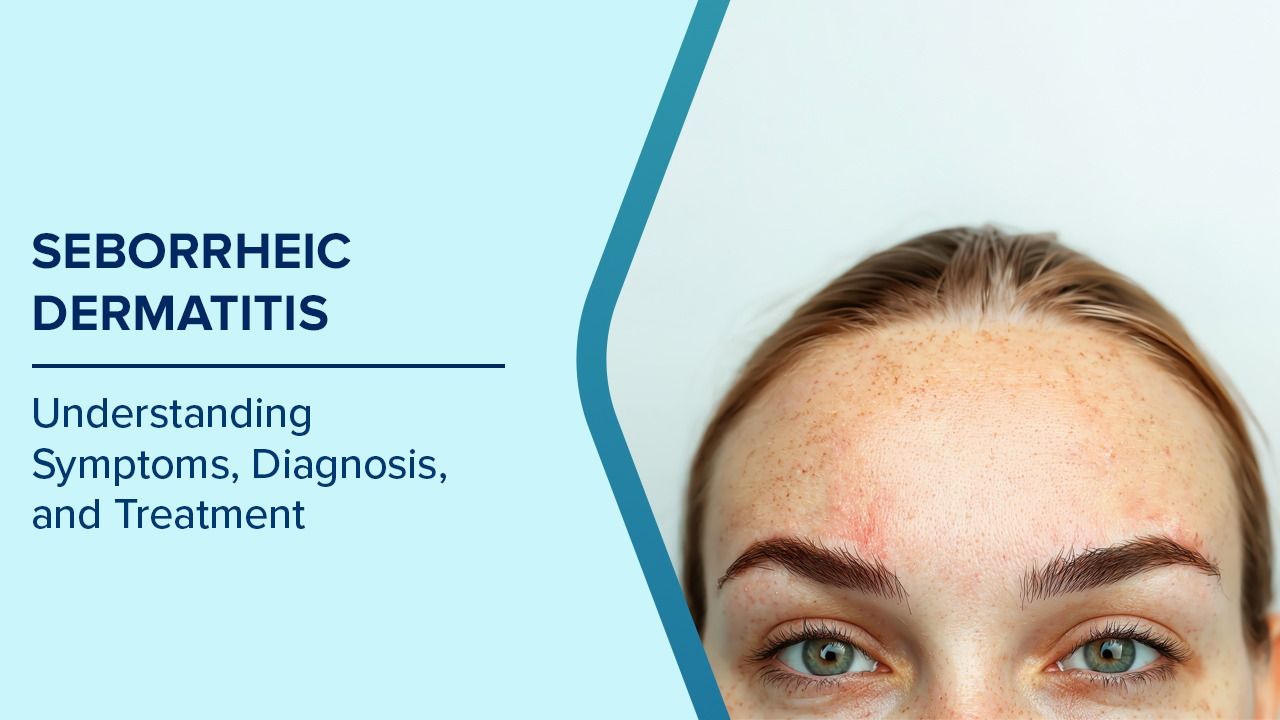
Seborrheic dermatitis is a common skin condition that causes redness, itching, and flaky patches, especially on the scalp, face (around the nose and eyebrows), and chest. As its symptoms are similar to dandruff or dry skin, it’s often mistaken for those issues. Seborrheic dermatitis, however, is a different condition with its own set of causes and triggers. Although the exact cause isn’t fully known, factors such as oily skin, the presence of a certain type of yeast on the skin, and a person’s immune response may lead to flare-ups. Recognising what can trigger the condition and how to manage it can make a big difference in reducing symptoms. In this blog, we’ll look at what seborrheic dermatitis is, what might cause it to worsen, and the treatment options that can help you manage it effectively.
What is Seborrheic Dermatitis?
Seborrheic dermatitis is a skin condition that causes inflammation in areas rich in oil-producing glands, such as the scalp, face, and chest. Its exact cause remains unclear, but an overgrowth of a yeast called Malassezia, which naturally lives on the skin, is thought to play a key role. When this yeast multiplies excessively, it can trigger the body’s immune system, leading to redness, itching, and flaky skin. Unlike common dandruff, seborrheic dermatitis often produces greasy or yellowish scales alongside dry flakes. The condition tends to flare up periodically and can be influenced by factors such as stress, weather changes, and hormonal fluctuations.
Who is Likely to Develop Seborrheic Dermatitis?
Seborrheic dermatitis can affect people of all ages, but some groups are more vulnerable due to specific factors linked to the condition’s causes. Understanding who is most at risk can help with early recognition and timely management.
Infants and Young Children
Seborrheic dermatitis often appears in infants during the first few months of life. Known as “cradle cap,” it typically affects the scalp but can also appear on the face and diaper area. In most cases, the condition resolves on its own by the time the child reaches one year of age, although gentle care may be needed to manage symptoms in the meantime.
Adults Aged 30 to 60
This age group experiences seborrheic dermatitis most frequently. It tends to be more common in men than in women. Adults often have symptoms on areas rich in oil glands, such as the scalp, eyebrows, sides of the nose, chest, and back.
People with Weakened Immune Systems
Those with immune system problems are at higher risk of developing seborrheic dermatitis. This includes individuals with conditions such as HIV/AIDS, cancer, or autoimmune diseases. Immunosuppressive treatments, such as chemotherapy or certain medications, may also increase susceptibility. In these cases, symptoms can be more severe and difficult to manage.
Individuals with Neurological Disorders
Certain neurological conditions, especially Parkinson’s disease, have been linked to a higher chance of developing seborrheic dermatitis. The reason may be related to changes in the nervous system affecting skin health and immune response.
People with Oily Skin and Hormonal Changes
Excess oil production is a key factor in seborrheic dermatitis, making those with naturally oily skin more prone to flare-ups. Hormonal shifts, such as those during puberty, pregnancy, or hormonal therapy, can also trigger or worsen symptoms by increasing oil production or altering the immune response.
What Causes Seborrheic Dermatitis?
The exact cause of seborrheic dermatitis remains unclear, but it is believed to result from a combination of factors affecting the skin. One key factor is the overgrowth of a yeast called Malassezia, which naturally lives on the skin without causing harm in most people. In some cases, this yeast multiplies excessively and irritates the skin, leading to inflammation.
Another important factor is the production of excess oil (sebum) by the skin’s glands. Sebum provides a favourable environment for Malassezia to grow. When the skin produces more oil than usual, it can encourage this yeast to increase in number and cause symptoms.
The immune system also plays a significant role. Some people’s immune responses react strongly to the presence of Malassezia, resulting in inflammation and the typical signs of seborrheic dermatitis. This immune reaction varies between individuals, which is why some are more prone to the condition.
Several other factors may trigger or worsen seborrheic dermatitis, including:
- Stress and fatigue: These can weaken the immune system, making flare-ups more likely.
- Weather changes: Cold, dry air in winter or hot, humid conditions can aggravate symptoms.
- Hormonal changes: Fluctuations during puberty, pregnancy, or hormonal disorders can affect oil production.
- Certain medical conditions: People with neurological disorders such as Parkinson’s disease, or those with weakened immune systems, like HIV patients, have a higher risk.
- Medications: Some drugs that alter immune function or hormone levels can contribute to flare-ups.
- Skincare products: Using harsh soaps or oily cosmetics may irritate the skin and worsen symptoms.
These factors can combine in different ways to trigger seborrheic dermatitis, making it a complex condition that varies from person to person.
What are the Symptoms of Seborrheic Dermatitis?
Seborrheic dermatitis causes several noticeable symptoms, which often appear in areas rich in oil-producing glands. These symptoms can vary in intensity but commonly include:
- Redness: Affected skin often appears red or inflamed.
- Itching: The skin can feel itchy, sometimes causing discomfort or irritation.
- Flaky patches: White or yellowish flakes of skin may peel off, resembling dandruff but often thicker and greasier.
- Greasy or oily patches: The skin may look shiny or oily, especially in areas like the scalp or around the nose.
- Soreness or burning: In some cases, the skin can feel tender or have a burning sensation.
- Crusting or scaling: Thickened skin with crusts or scales may develop, especially if the condition is severe or prolonged.
These symptoms tend to appear on the scalp, eyebrows, sides of the nose, behind the ears, and on the chest. In babies, seborrheic dermatitis can cause a condition known as cradle cap, which shows as scaly patches on the scalp.
How Is Seborrheic Dermatitis Diagnosed?
Diagnosing seborrheic dermatitis involves several steps to ensure accurate identification of the condition. A healthcare provider will carefully examine the skin and gather detailed information about symptoms and medical history. In some cases, further tests may be necessary to confirm the diagnosis or rule out other conditions.
Visual Examination
The first step in diagnosing seborrheic dermatitis involves a healthcare provider examining the skin closely. They look for typical signs such as redness, flaky or greasy patches, and areas of inflammation, usually found on the scalp, face, chest, and other oily skin regions. The pattern and location of these symptoms help distinguish seborrheic dermatitis from other skin problems.
Medical History Review
Along with the physical examination, the doctor will ask about the history of the symptoms. This includes how long the symptoms have been present, any known triggers like stress or weather changes, previous treatments, and any other skin conditions. This information helps to narrow down the diagnosis and understand if other conditions could be causing the symptoms.
Skin Biopsy
In most cases, a diagnosis can be made based on appearance and history alone. However, if the symptoms are unusual, severe, or do not respond to treatment, a skin biopsy may be recommended. This involves removing a small piece of skin under local anaesthetic, which is then examined under a microscope. The biopsy helps confirm seborrheic dermatitis and rules out other conditions such as psoriasis, eczema, or fungal infections that may look similar.
Additional Tests
If the healthcare provider suspects an underlying health problem, such as a weakened immune system or neurological condition, further investigations may be advised. These tests vary depending on the suspected issue and could include blood tests to check for infections or immune function. Identifying any underlying causes is important for effective treatment and management.
What Are the Treatment Options for Seborrheic Dermatitis?
Treating seborrheic dermatitis focuses on managing symptoms and reducing flare-ups, as the condition often persists over time. The choice of treatment depends on how severe the symptoms are and which areas are affected.
Topical Treatments
Medicated creams, lotions, and shampoos are commonly used to control seborrheic dermatitis. Antifungal agents like ketoconazole or ciclopirox help reduce yeast on the skin. Corticosteroid creams can relieve redness and itching but should be used only for a short time to avoid side effects. Shampoos containing selenium sulphide, zinc pyrithione, or coal tar may also help manage symptoms on the scalp.
Lifestyle Adjustments
Certain changes in daily habits can help reduce flare-ups. Gently cleansing the affected areas with mild soaps or cleansers removes excess oil and dead skin. Avoiding harsh products and scratching prevents further irritation. Managing stress and following a balanced diet may improve overall skin health.
Prescription Medications
Stronger treatments may be prescribed if over-the-counter options are not effective. These include more potent antifungal creams or oral medications that help reduce inflammation and control symptoms more effectively.
Phototherapy
For persistent or severe cases, light therapy using ultraviolet (UV) light can be considered. Phototherapy helps reduce inflammation and improve skin appearance by targeting affected areas with controlled light exposure. This treatment is usually offered when other options have not provided sufficient relief.
Natural Remedies
Some find relief using natural products such as tea tree oil or aloe vera, which can soothe irritated skin. However, caution is needed as some natural remedies may cause allergic reactions or irritation.
How Can You Manage Flare-Ups and Prevent Recurrence?
Seborrheic dermatitis tends to have cycles of flare-ups and remission. Managing symptoms during flare-ups and taking steps to prevent them can help improve comfort and reduce the impact on daily life.
Maintaining a Consistent Skincare Routine
A regular cleansing routine helps control oiliness and removes dead skin that can worsen symptoms. Use mild, fragrance-free cleansers and medicated shampoos containing ingredients like ketoconazole or zinc pyrithione. Avoid harsh soaps or scrubbing too vigorously, as this may irritate the skin and trigger flare-ups. Cleanse affected areas gently and rinse thoroughly to prevent residue buildup.
Identifying and Avoiding Triggers
Various factors can cause seborrheic dermatitis to flare. These include stress, cold or dry weather, excessive sweating, and certain hair or skin products that contain irritants or allergens. Keeping a symptom diary may help identify personal triggers. Once identified, avoiding these triggers can significantly reduce flare-ups.
Managing Stress Effectively
Stress can weaken the immune system and influence skin conditions. Regular stress management through techniques such as deep breathing, meditation, yoga, or other relaxation practices supports overall skin health. Maintaining a balanced lifestyle that includes sufficient sleep and physical activity also helps regulate stress levels.
Using Appropriate Moisturisers
Keeping the skin moisturised helps reduce dryness, itching, and scaling. Use moisturisers that are gentle, non-comedogenic, and free from fragrances or alcohol, which can aggravate sensitive skin. Applying moisturiser after cleansing can help lock in moisture and protect the skin barrier.
Regular Medical Review and Starting Treatment Early
Routine follow-ups with a healthcare professional ensure treatments remain effective and adjustments can be made if symptoms worsen. Starting treatment early at the first signs of flare-ups can limit their severity and duration. In some cases, ongoing maintenance treatment may be advised to prevent recurrence.
Consult Today
Living with seborrheic dermatitis can feel frustrating, especially when flare-ups become difficult to manage on your own. Signs such as persistent itching, redness, or flaking often signal the need for medical attention. If seborrheic dermatitis is becoming hard to manage, our dermatologists at Max Hospital can help identify the cause of ongoing symptoms and start the right treatment. We offer guidance on flare-up control, long-term care, and daily skin management, helping reduce discomfort and prevent recurrence. Reach out to Max today for healthy skin.
Frequently Asked Questions
Is seborrheic dermatitis contagious?
No, it isn’t contagious. You cannot catch it from someone else through touch or by sharing personal items. The condition develops due to internal factors like your skin’s oil production, sensitivity to a type of yeast that naturally lives on the skin, and how your immune system reacts.
Can diet affect seborrheic dermatitis?
Diet doesn’t directly cause seborrheic dermatitis, but in some people, certain foods might trigger flare-ups or make symptoms worse. Diets high in sugar, processed foods, or saturated fats may contribute to inflammation, which could affect your skin. A balanced diet that supports overall health might help reduce irritation or improve skin resilience over time.
Does stress make seborrheic dermatitis worse?
Yes, stress is one of the common triggers. It can affect how your immune system functions and may cause flare-ups or make existing symptoms more intense. Managing stress through regular sleep, physical activity, and relaxation techniques can help reduce the frequency or severity of flare-ups.
Can seborrheic dermatitis appear on the eyebrows or inside the ears?
Yes, it can. Apart from the scalp and face, seborrheic dermatitis often affects oily areas like the eyebrows, eyelids, the crease around the nose, and behind or inside the ears. In these areas, symptoms like redness, scaling, and itchiness can be just as noticeable and uncomfortable.
Is it safe to use hair dye or styling products if I have seborrheic dermatitis?
It depends on the ingredients. Many styling products and hair dyes contain alcohol, fragrance, or preservatives that can irritate sensitive skin or trigger a flare-up. If you have seborrheic dermatitis, it’s safer to use fragrance-free, gentle products and test them on a small area first. You can also check with a dermatologist before using new products.
Does the weather affect seborrheic dermatitis symptoms?
Yes, weather changes can influence symptoms. Cold, dry air can dry out the skin and worsen flaking, while heat and humidity may increase oil production, which can also lead to flare-ups. Some people find mild sunlight helps, but too much sun or sweat may also irritate the skin. Adapting your skincare routine with the seasons can be helpful.
Will seborrheic dermatitis go away on its own?
In infants, the condition—often known as cradle cap—usually resolves on its own within a few months. In teens and adults, it tends to be long-term and may come and go. Flare-ups can be managed effectively, but treatment is usually needed to control symptoms and reduce recurrence.
How is seborrheic dermatitis different in babies and adults?
In babies, seborrheic dermatitis usually shows up on the scalp as yellow, crusty patches and often goes away with gentle care. In adults, it is more likely to be a recurring condition and can affect several areas of the body, such as the face, scalp, and chest. Adults may require ongoing treatment to keep symptoms in check.
Written and Verified by:

Related Blogs


Blogs by Doctor

Understanding skin tags: causes, removal, and prevention
Dr. Arvind Kaul In Dermatology
Apr 30 , 2023 | 2 min read
Most read Blogs


Related Blogs
Blogs by Doctor
Understanding skin tags: causes, removal, and prevention
Dr. Arvind Kaul In Dermatology
Apr 30 , 2023 | 2 min read
Most read Blogs