 WhatsApp Us (24/7)
 +91 926 888 0303 (24/7)


To Book an Appointment
Call Us+91 926 888 0303Seasonal Allergies: Symptoms, Causes, Diagnosis, and Treatment
By Dr Pankaj Soni in Internal Medicine
Jun 17 , 2026

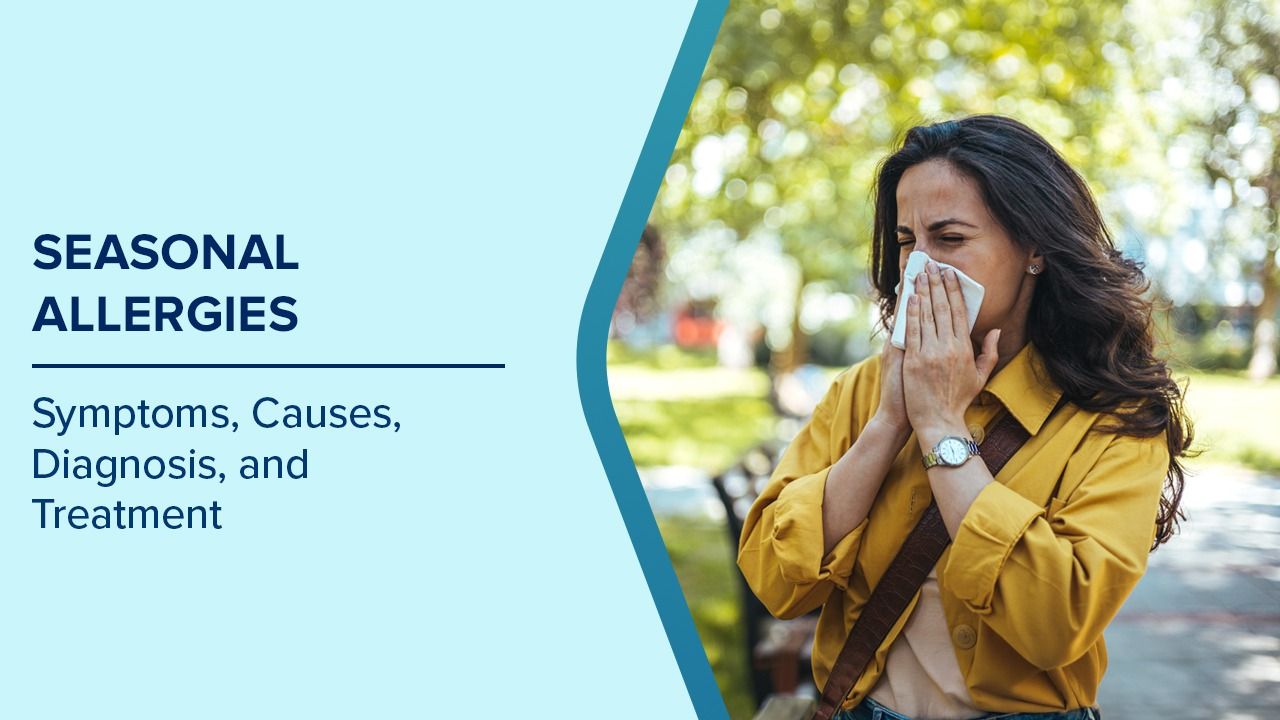
Seasonal allergies, clinically known as allergic rhinitis, occur when the body reacts to airborne allergens such as pollen and mould that become more common during certain times of the year. These reactions often lead to symptoms like repeated sneezing, a blocked or runny nose, and itchy, watery eyes that can interfere with sleep, concentration, and daily comfort. Despite how common these symptoms are, they are often mistaken for a cold or ignored until they become difficult to manage. This can delay proper diagnosis and lead to short-term fixes that do not address the actual trigger. A clear understanding of the symptoms, causes, and available treatments can help in managing them more effectively. This blog explains how seasonal allergies develop, what signs to look for, how they are diagnosed, and the options available to control and prevent symptoms.
What are Seasonal Allergies?
Seasonal allergies, also known as allergic rhinitis, are immune system reactions that occur when the body comes into contact with airborne substances such as pollen or mould spores during certain times of the year. These substances are usually harmless, but in some people, the immune system treats them as a threat and releases chemicals that trigger symptoms. This leads to common complaints such as sneezing, a runny or blocked nose, itchy eyes, and throat irritation. Unlike year-round allergies, seasonal allergies appear at specific times, often linked to plant pollination cycles, and tend to return each year when exposure to these triggers increases.
What are the Common Symptoms of Seasonal Allergies?
Seasonal allergies can affect multiple parts of the body, especially the nose, eyes, throat, and even energy levels. The intensity can vary from mild irritation to symptoms that interfere with daily comfort and sleep. Common symptoms include:
- Sneezing: Repeated and sudden sneezing episodes, often more noticeable in the morning or after stepping outdoors, as the body tries to clear allergens from the nasal passages
- Runny or blocked nose: A clear, watery nasal discharge is common, along with congestion that can make breathing through the nose difficult. This may also reduce the sense of smell
- Itchy nose, throat, or ears: A persistent itching sensation that can be difficult to relieve and may lead to frequent throat clearing or rubbing of the nose
- Watery, red, or itchy eyes: The eyes may become irritated, appear red, and water excessively. Some people also experience a mild burning sensation or sensitivity to light
- Postnasal drip: Mucus from the nose can drip down the back of the throat, leading to a constant feeling of something stuck in the throat, along with irritation
- Cough: Usually dry and ongoing, often triggered by throat irritation or postnasal drip rather than an infection
- Fatigue: Ongoing symptoms, especially nasal blockage and poor sleep, can lead to tiredness, reduced focus, and low energy during the day
- Headache or facial pressure: Blocked sinuses can create a feeling of heaviness or pressure around the forehead, eyes, or cheeks
These symptoms often occur together and tend to follow a pattern based on allergen exposure, becoming more noticeable during certain times of the day or season.
What Causes Seasonal Allergies?
Seasonal allergies develop when the immune system reacts to substances in the environment that are usually harmless. These triggers called allergens could be:
1. Immune System Response to Allergens
Seasonal allergies begin with an overactive immune response. When allergens such as pollen enter the body, the immune system identifies them as harmful and releases chemicals like histamine. This reaction leads to inflammation in the nose, eyes, and throat, causing typical allergy symptoms.
2. Pollen from Trees, Grasses, and Weeds
Pollen is one of the most common triggers. Different plants release pollen at different times of the year:
- Spring: Tree pollen
- Summer: Grass pollen
- Autumn: Weed pollen
These tiny particles travel easily through the air and can be inhaled without notice, especially on dry and windy days.
3. Mould Spores in the Air
Mould grows in damp environments such as soil, fallen leaves, and humid indoor areas. It releases spores into the air, which can trigger allergic reactions, particularly during late summer and autumn or in areas with high humidity.
4. Weather and Environmental Factors
Certain weather conditions can increase the presence of allergens in the air. Warm, dry, and windy days allow pollen to spread more easily, increasing exposure. In contrast, rainy days may temporarily reduce airborne pollen but can encourage mould growth over time.
5. Air Pollution and Irritants
Pollutants such as smoke, dust, and vehicle emissions do not directly cause allergies but can irritate the airways and worsen symptoms. They may also make the immune system more sensitive to allergens, leading to stronger reactions.
How are Seasonal Allergies Diagnosed?
Seasonal allergies are diagnosed through a combination of clinical evaluation and specific tests that help confirm the condition and identify the exact triggers. The following methods are commonly used to diagnose seasonal allergies:
1. Medical History and Symptom Assessment
The process usually begins with a detailed discussion of symptoms, including when they appear, how long they last, and any patterns linked to seasonal changes or outdoor exposure. A family history of allergies may also be reviewed, as it can increase the likelihood of similar conditions.
2. Physical Examination
A clinical examination helps identify visible signs such as nasal swelling, redness in the eyes, or throat irritation. It also helps rule out other conditions such as infections or sinus problems that may present with similar symptoms.
3. Skin Prick Test
This is a commonly used diagnostic test in which small amounts of suspected allergens are placed on the skin, usually on the forearm or back. The skin is then gently pricked, and any reaction, such as a raised bump or redness, is observed within a short period.
4. Blood Tests
Blood tests measure the level of allergy-related antibodies in the body. These are useful when skin testing is not suitable, especially in people with certain skin conditions or those taking medications that may affect test results.
5. Allergen Exposure Review
In some cases, patterns of exposure are analysed to identify likely triggers. This includes observing symptom changes during different seasons, time spent outdoors, or contact with specific environmental factors.
What are the Treatment Options for Seasonal Allergies?
Seasonal allergy treatment focuses on reducing symptoms, limiting exposure to triggers, and improving day-to-day comfort during allergy seasons. The choice of treatment depends on the severity of symptoms and how frequently they occur. The following options are commonly used to manage seasonal allergies:
1. Avoiding Allergen Exposure
Reducing contact with allergens is a key part of managing symptoms. This may include limiting outdoor activities during high pollen days, keeping windows closed, using air purifiers, and changing clothes or showering after coming indoors to remove pollen from the body and hair.
2. Medications to Relieve Symptoms
Medicines are often used to control common symptoms such as sneezing, nasal congestion, and itchy eyes. These may help reduce inflammation and provide relief during peak allergy seasons. The choice of medication depends on the type and severity of symptoms.
3. Nasal Sprays
Nasal sprays are used to reduce inflammation inside the nasal passages. They can help relieve congestion, sneezing, and irritation more effectively when used regularly during allergy seasons.
4. Eye Drops
Eye drops can help manage redness, itching, and watering of the eyes. They are often recommended when eye symptoms are prominent and cause discomfort during daily activities.
5. Allergy Immunotherapy
Immunotherapy is a long-term treatment option for people with persistent or severe allergies. It works by gradually exposing the body to small amounts of allergens over time, helping the immune system become less sensitive. This approach can reduce the intensity of symptoms in the long run.
How Can Seasonal Allergies be Managed at Home?
Seasonal allergies can often be managed at home with simple, consistent measures that reduce exposure to allergens and ease symptoms. The following approaches can help manage seasonal allergies at home:
- Limit outdoor exposure during peak times: Pollen levels are usually higher in the early morning and on dry, windy days. Planning outdoor activities later in the day can help reduce exposure
- Keep indoor air clean: Keeping windows and doors closed during high pollen days helps prevent allergens from entering the home. Using air purifiers and cleaning surfaces regularly can also reduce indoor allergen levels
- Maintain personal hygiene: Showering after coming indoors helps remove pollen from the skin and hair. Changing clothes can prevent allergens from spreading indoors
- Use protective measures outdoors: Wearing sunglasses can help protect the eyes from airborne allergens. In some cases, a mask may reduce the amount of pollen inhaled
- Clean living spaces regularly: Dusting, vacuuming, and washing bedsheets and curtains can help remove allergens that settle on surfaces over time
- Stay hydrated and maintain a balanced diet: Adequate fluid intake helps keep the airways moist and may reduce irritation. A balanced diet supports overall health during allergy season
- Monitor pollen levels: Checking daily pollen forecasts helps in planning activities and taking precautions in advance during high pollen days
Consult Today
Seasonal allergies may be incredibly common, but that does not mean they have to be a permanent source of misery in your life. Simple measures at home can help reduce exposure, but persistent or severe symptoms often need a more structured approach for lasting relief. Seeking timely medical advice can help confirm the cause and guide the most suitable treatment plan, rather than relying on temporary fixes that offer only short-term comfort. For a clearer diagnosis and effective management, consult an ENT specialist or allergy specialist at Max Hospital who can help address symptoms with the right approach and improve overall quality of life.
Frequently Asked Questions
Can seasonal allergies affect the ears?
Yes, seasonal allergies can cause a feeling of fullness, mild discomfort, or popping in the ears due to pressure changes and congestion in the nasal passages.
Do seasonal allergies get worse with age?
Allergy patterns can change over time. In some cases, symptoms may become less intense, but others may notice new or more persistent reactions due to ongoing exposure or environmental changes.
Is it possible to have seasonal allergies without a runny nose?
Yes, some people may mainly experience symptoms such as itchy eyes, throat irritation, or fatigue without noticeable nasal discharge.
Can seasonal allergies affect sleep quality?
Nasal congestion, sneezing, and postnasal drip can disrupt sleep, leading to frequent waking and daytime tiredness.
Do indoor plants increase seasonal allergy symptoms?
Some indoor plants can encourage mould growth in the soil if overwatered, which may worsen allergy symptoms in sensitive individuals.
Can travel trigger seasonal allergy symptoms?
Travelling to a new location can expose the body to different types or levels of pollen and environmental allergens, which may trigger symptoms even in those with mild allergies.
Is there a link between seasonal allergies and skin irritation?
In some cases, exposure to allergens can lead to skin reactions such as itching or mild rashes, especially in individuals with sensitive skin.
Written and Verified by:

Related Blogs


Dr. Vandana Boobna In Internal Medicine
Nov 08 , 2020 | 2 min read
Blogs by Doctor

World Hypertension Day 2026: Why Awareness Matters More Than Ever
Dr Pankaj Soni In Internal Medicine
May 15 , 2025 | 11 min read

High Blood Pressure: Early Warning Signs, Diagnosis & Prevention
Dr Pankaj Soni In Cardiac Sciences , Cardiology , Interventional Cardiology , Cardiac Electrophysiology-Pacemaker
Jun 17 , 2024 | 5 min read
Most read Blogs


Related Blogs
Dr. Vandana Boobna In Internal Medicine
Nov 08 , 2020 | 2 min read
Blogs by Doctor
World Hypertension Day 2026: Why Awareness Matters More Than Ever
Dr Pankaj Soni In Internal Medicine
May 15 , 2025 | 11 min read
High Blood Pressure: Early Warning Signs, Diagnosis & Prevention
Dr Pankaj Soni In Cardiac Sciences , Cardiology , Interventional Cardiology , Cardiac Electrophysiology-Pacemaker
Jun 17 , 2024 | 5 min read
Most read Blogs