 WhatsApp Us (24/7)
 +91 926 888 0303 (24/7)


To Book an Appointment
Call Us+91 926 888 0303Superfoods Vs. Everyday Foods: What Really Matters for Your Nutrition
By Dr. Priyanka Aggarwal in Pulmonology
Sep 25 , 2025 | 3 min read

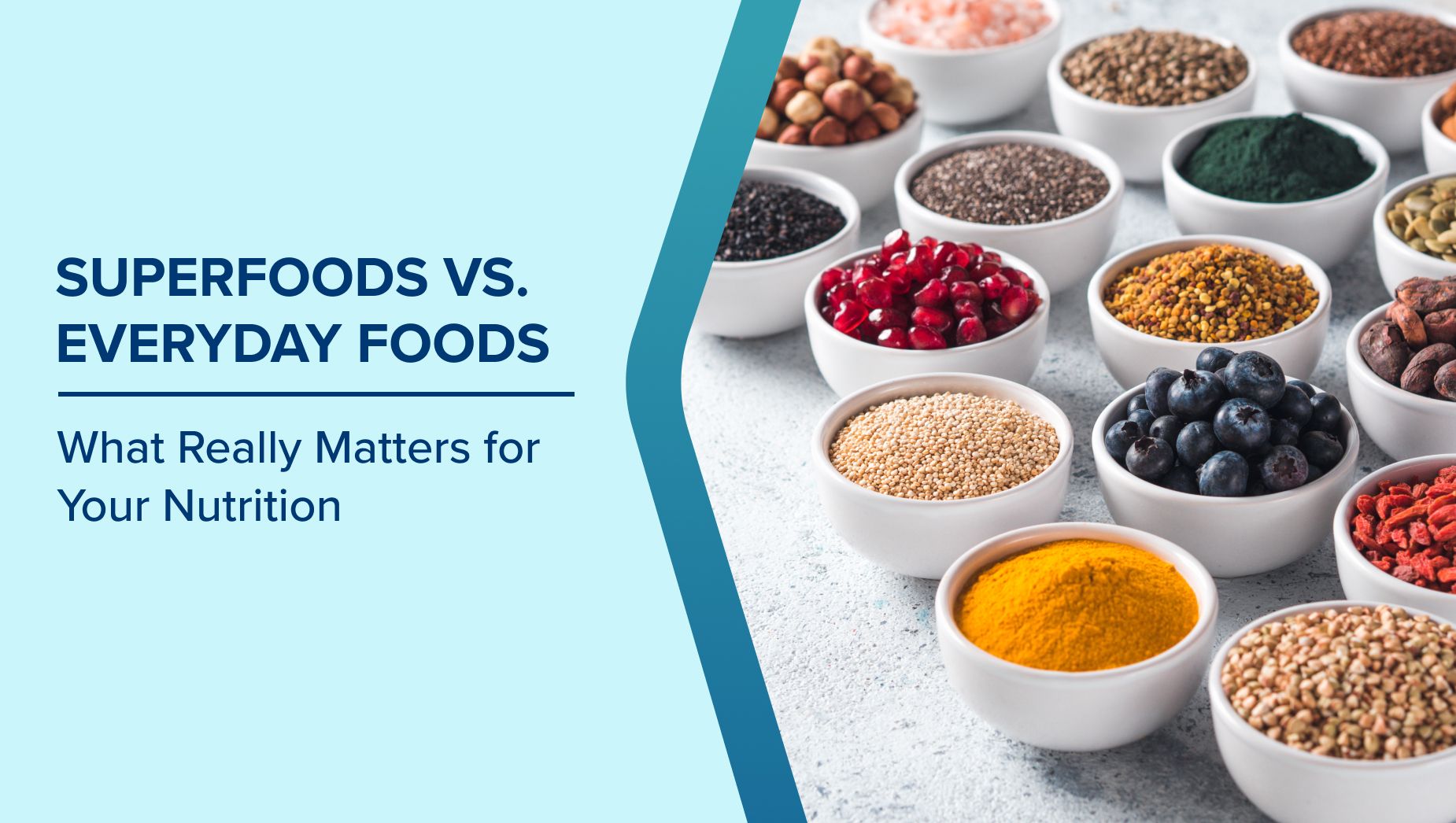
In recent years, the term superfoods has captured attention in wellness circles and on social media. From kale and blueberries to chia seeds and turmeric, these foods are often promoted as miracle ingredients for health. But while superfoods can offer impressive benefits, they are just one piece of the nutrition puzzle. Everyday foods like whole grains, vegetables, eggs, and legumes are equally essential for a balanced diet.
Understanding the difference between superfoods and everyday foods, and how they fit into your daily eating habits, is key to maintaining overall wellness.
What Are Superfoods?
Superfoods are nutrient-rich foods that provide a concentrated source of vitamins, minerals, antioxidants, or other compounds linked to health benefits. Examples include:
- Blueberries, rich in antioxidants
- Salmon, high in omega-3 fatty acids
- Spinach, loaded with iron and vitamins
- Chia seeds, a good source of fibre and protein
These foods can support immune health, improve heart health, and even enhance cognitive function. However, no single superfood can replace the variety needed in a balanced diet.
The Role of Everyday Foods
Everyday foods form the foundation of daily nutrition. These include items like:
- Whole grains such as rice, oats, and quinoa
- Seasonal fruits and vegetables
- Eggs, milk, and other dairy products
- Legumes and beans
While they may not always have the trendy label of superfoods, they provide consistent energy, essential nutrients, and fibre that support long-term health. Everyday foods ensure that your body receives a well-rounded supply of vitamins and minerals.
Superfoods vs. Everyday Foods: Key Differences
The main differences between superfoods and everyday foods are:
- Nutrient concentration: Superfoods are packed with specific nutrients, while everyday foods provide a broader nutrient profile.
- Accessibility: Everyday foods are often more affordable and widely available.
- Diet impact: Superfoods can enhance your diet, but overall nutrition depends on consistency and variety rather than occasional consumption of superfoods.
In short, everyday foods are the base, and superfoods are the bonus layer that can elevate your wellness goals.
Read More:- Impact of Nutrition on Chronic Diseases: Prevention and Management
Practical Tips and Examples for a Balanced Diet
- Combine superfoods with everyday foods: Add blueberries to your morning oatmeal or toss spinach into lentil soup.
- Plan meals around nutrient density: Prioritise vegetables, whole grains, lean proteins, and fruits in each meal.
- Rotate foods regularly: Avoid eating the same foods daily. This ensures a wider range of vitamins and minerals.
- Mind portion sizes: Even superfoods can contribute to excess calories if eaten in large amounts.
- Focus on simple cooking methods: Steaming, grilling, or lightly sautéing preserves nutrients better than deep frying.
- Include immune-boosting foods: Garlic, citrus fruits, yoghurt, and nuts can complement superfoods like turmeric and salmon to strengthen immunity.
Sample Daily Integration
- Breakfast: Oats with berries, chia seeds, and a drizzle of honey
- Lunch: Quinoa salad with spinach, chickpeas, and a lemon dressing
- Snack: Yoghurt with nuts or a fresh fruit smoothie
- Dinner: Grilled salmon with roasted vegetables and brown rice
This approach allows you to enjoy the benefits of superfoods without neglecting the essential everyday foods that keep your diet balanced.
Conclusion
While superfoods are often celebrated for their nutrient richness, they should not overshadow the importance of everyday foods. A balanced diet that incorporates both superfoods and everyday staples, paired with mindful meal planning and healthy eating habits, truly supports overall wellness. Nutrition is not about chasing trendy foods but about creating consistent, varied, and sustainable habits that nourish the body.
By understanding the role of both types of foods, you can build a diet that is practical, affordable, and powerful for long-term health.
Frequently Asked Questions
Are superfoods necessary for good health?
Superfoods can enhance nutrition, but they are not essential. A diet rich in everyday nutrient-dense foods can provide all necessary vitamins and minerals.
Do everyday foods have hidden benefits?
Yes, foods like lentils, eggs, and carrots may not be labelled trendy, but they provide fibre, protein, and antioxidants that support heart, bone, and eye health.
When is the best time to eat nutrient-rich foods?
Incorporating nutrient-rich foods across all meals is ideal. For example, protein and fibre in breakfast can improve satiety, while antioxidant-rich foods in dinner aid recovery.
How can I combine foods for better nutrient absorption?
Pairing foods wisely can enhance nutrient uptake. For example, vitamin C from citrus can improve iron absorption from beans, while healthy fats increase absorption of fat-soluble vitamins like A, D, E, and K.
Does processing affect the nutrition in foods?
Yes, minimal processing like steaming, blanching, or roasting often preserves nutrients, while excessive heating, frying, or refining can reduce vitamin and antioxidant content.
Can I rely solely on superfoods for immune support?
Superfoods help, but immune health depends on overall diet, sleep, stress management, and regular exercise. Everyday foods are equally important for long-term immunity.
Written and Verified by:

Related Blogs

Medical Expert Team
Jun 06 , 2015 | 2 min read

Blogs by Doctor

Human Metapneumovirus (HMPV): Treatment, Symptoms, And Effects On Children And Adults
Dr. Priyanka Aggarwal In Pulmonology
Jan 04 , 2025 | 6 min read

Understanding Legionnaires' Disease: Symptoms, Risks, and Treatment Options
Dr. Priyanka Aggarwal In Pulmonology
Jan 22 , 2025 | 7 min read
Most read Blogs


Related Blogs
Medical Expert Team
Jun 06 , 2015 | 2 min read
Blogs by Doctor
Human Metapneumovirus (HMPV): Treatment, Symptoms, And Effects On Children And Adults
Dr. Priyanka Aggarwal In Pulmonology
Jan 04 , 2025 | 6 min read
Understanding Legionnaires' Disease: Symptoms, Risks, and Treatment Options
Dr. Priyanka Aggarwal In Pulmonology
Jan 22 , 2025 | 7 min read
Most read Blogs