 WhatsApp Us (24/7)
 +91 926 888 0303 (24/7)


To Book an Appointment
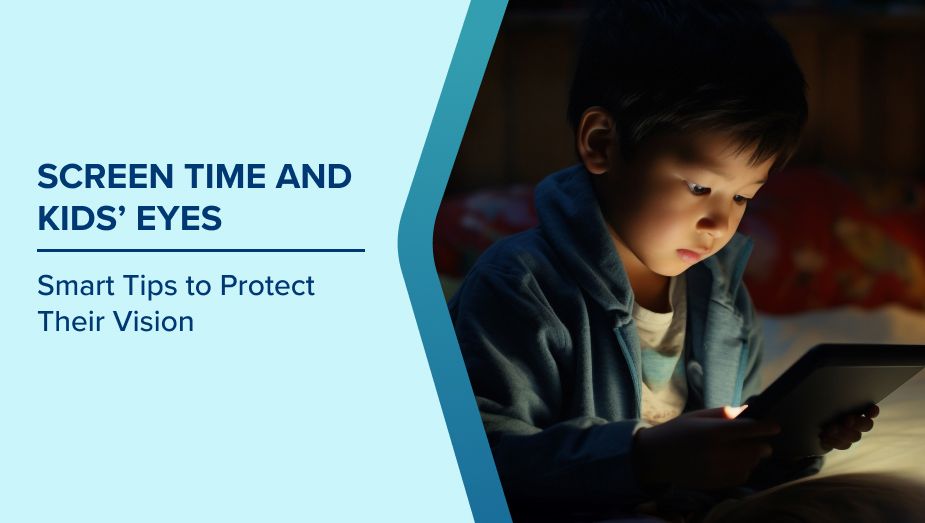
Call Us+91 926 888 0303Screen Time and Kids’ Eyes: Smart Tips to Protect Their Vision
By Dr. Raman Mehta in Ophthalmology , Eye Care / Ophthalmology
Aug 13 , 2025 | 4 min read

In today’s world, screens are everywhere, from classrooms and homes to long car rides. Kids are learning, playing, and connecting through devices more than ever before. While this digital shift has its advantages, it has also raised concerns about one often-overlooked issue: eye health.
As screens become a constant companion, more parents are noticing signs of digital fatigue in their children. Squinting, rubbing eyes, or complaints about blurred vision are no longer uncommon. The link between screen time and eye health in children is real and growing. So, how do we protect our children’s developing vision in this screen-filled world? Let’s explore.
The Rising Concern: Screen Time and Kids’ Eye Health
Children’s eyes till 18 years of age are still developing, making them more vulnerable to digital eye strain. This condition, often referred to as computer vision syndrome, is no longer limited to adults. Increasing screen exposure has made eye strain in kids a growing issue.
Long hours of screen time can lead to symptoms like dry eyes, headaches, difficulty focusing, and even disrupted sleep. One reason is that kids tend to blink less while staring at screens. Close-up activities on tablets or smartphones also put extra stress on the eye muscles involved in focusing.
Blue light emitted from screens can interfere with the body’s natural sleep-wake cycle and may potentially impact retinal health over time.
7 Smart Ways to Protect Kids’ Vision
Here are seven practical and research-backed tips to help your child avoid vision issues in a digital world:
Follow the 20-20-20 Rule
Teach your child to take a break every 20 minutes by looking at something 20 feet away for at least 20 seconds. This simple rule helps reduce eye strain by relaxing the eye muscles. Set a timer if needed.
Encourage Natural Light and Outdoor Play
Spending time outdoors supports healthy eye development. Natural light exposure, especially during evening time, has been shown to reduce the risk of developing nearsightedness (myopia) in children.
Adjust Screen Settings and Lighting
Proper brightness and contrast settings can make a big difference. The screen shouldn’t be brighter than the surroundings. Avoid glare from windows or overhead lights. Use anti-reflective coatings on glasses if your child wears them.
Use Larger Screens When Possible
Tablets and phones are more harmful due to their smaller size and closer viewing distance. When possible, switch to larger screens like desktops or laptops, placed at eye level and at least 18–24 inches away from the eyes.
Limit Screen Use Before Bedtime
Blue light can interfere with melatonin production, affecting sleep. Avoid screen exposure at least one hour before bedtime. Encourage relaxing activities like reading printed books or quiet play.
Set Time Limits and Breaks
Instead of unrestricted screen access, break it into shorter periods. Use parental controls or apps that help manage screen usage. This promotes healthy screen habits for children and reduces continuous eye strain.
Schedule Regular Eye Check-Ups
Even if your child has no vision complaints, regular visits to a pediatric ophthalmologist or eye specialist, as early as 4 years of age, are important. Early signs of digital eye strain or vision problems are often missed or mistaken for attention issues.
How Much Screen Time Is Safe?
Children under five should have no more than one hour of screen time per day, and less is better. For school-aged children, balance screen time with physical activity, outdoor play, and offline interaction. Quality matters—educational and interactive content is better than passive use. But even “good” screen time carries risks if not managed properly.
The Role of Parents and Schools
Parents and schools must work together to create a healthier digital environment. Kids tend to model adult behavior, so taking screen breaks yourself encourages them to do the same.
In schools, especially with online learning, teachers can integrate eye-friendly practices like scheduled breaks, stretching, and lessons that don’t require continuous screen focus. Encouraging handwritten work can also help reduce visual fatigue.
Conclusion
Digital devices are now part of our daily life. While we can’t eliminate screens, we can take smart steps to reduce the screen time effects on children's vision. Awareness is the first step, and action comes next.
If your child often complains of eye discomfort, blurriness, or headaches, don’t delay. A professional eye exam can rule out deeper issues and provide timely care.
Protect your child’s vision today, consult a pediatric eye specialist, and build screen-smart habits that last a lifetime.
Frequently Asked Questions
Can adjusting screen brightness help reduce digital eye strain in children?
Yes, optimal screen brightness matched to the room’s lighting can ease visual stress and reduce fatigue during long screen sessions.
Are e-readers safer for kids' eyes compared to tablets or smartphones?
E-readers with e-ink displays are generally easier on the eyes, as they lack harsh blue light and don’t have backlit screens.
How early should children have their first eye check-up if they use screens regularly?
If a child uses screens frequently, an eye check-up is recommended as early as age three, even if no symptoms are present.
Is it harmful for kids to watch screens in the dark?
Yes, using screens in a dark room increases eye strain because the contrast between the screen light and the background is too high.
Are there any natural eye exercises that kids can do at home to reduce eye fatigue?
Yes, activities like eye-rolling, palming (rubbing hands together and placing them over closed eyes), or shifting focus from near to far objects can help relax eye muscles.
Written and Verified by:

Related Blogs

Dr. Parul Sharma In Ophthalmology , Eye Care / Ophthalmology
Jun 27 , 2014 | 1 min read

Dr. Parul Sharma In Ophthalmology , Eye Care / Ophthalmology
Apr 16 , 2015 | 1 min read
Blogs by Doctor

What is Glaucoma: Early Detection & Tips to Protect Your Eyesight
Dr. Raman Mehta In Ophthalmology
Jan 22 , 2025 | 2 min read

Early Signs of Diabetic Eye Disease: You Should Never Ignore
Dr. Raman Mehta In Ophthalmology , Eye Care / Ophthalmology
Nov 10 , 2025 | 6 min read
Most read Blogs


Related Blogs
Dr. Parul Sharma In Ophthalmology , Eye Care / Ophthalmology
Jun 27 , 2014 | 1 min read
Dr. Parul Sharma In Ophthalmology , Eye Care / Ophthalmology
Apr 16 , 2015 | 1 min read
Blogs by Doctor
What is Glaucoma: Early Detection & Tips to Protect Your Eyesight
Dr. Raman Mehta In Ophthalmology
Jan 22 , 2025 | 2 min read
Early Signs of Diabetic Eye Disease: You Should Never Ignore
Dr. Raman Mehta In Ophthalmology , Eye Care / Ophthalmology
Nov 10 , 2025 | 6 min read
Most read Blogs