 WhatsApp Us (24/7)
 +91 926 888 0303 (24/7)


To Book an Appointment
Call Us+91 926 888 0303Robotic Hysterectomy: Transforming Recovery and Enhancing Women’s Quality of Life
By Dr. Sakshi Sahil Bansal in Obstetrics And Gynaecology
Oct 08 , 2025 | 4 min read

For many women, a hysterectomy becomes necessary when medical conditions affect daily health and well-being. Traditionally, the procedure involved major surgery with significant recovery time. However, robotic hysterectomy has transformed how women experience this operation.
By combining advanced surgical technology with a minimally invasive approach, robotic hysterectomy not only shortens recovery but also helps women regain comfort, mobility, and confidence in daily life. Let’s explore how robotic hysterectomy is changing recovery, what women can expect from the experience, and how it improves overall quality of life.
Understanding Robotic Hysterectomy
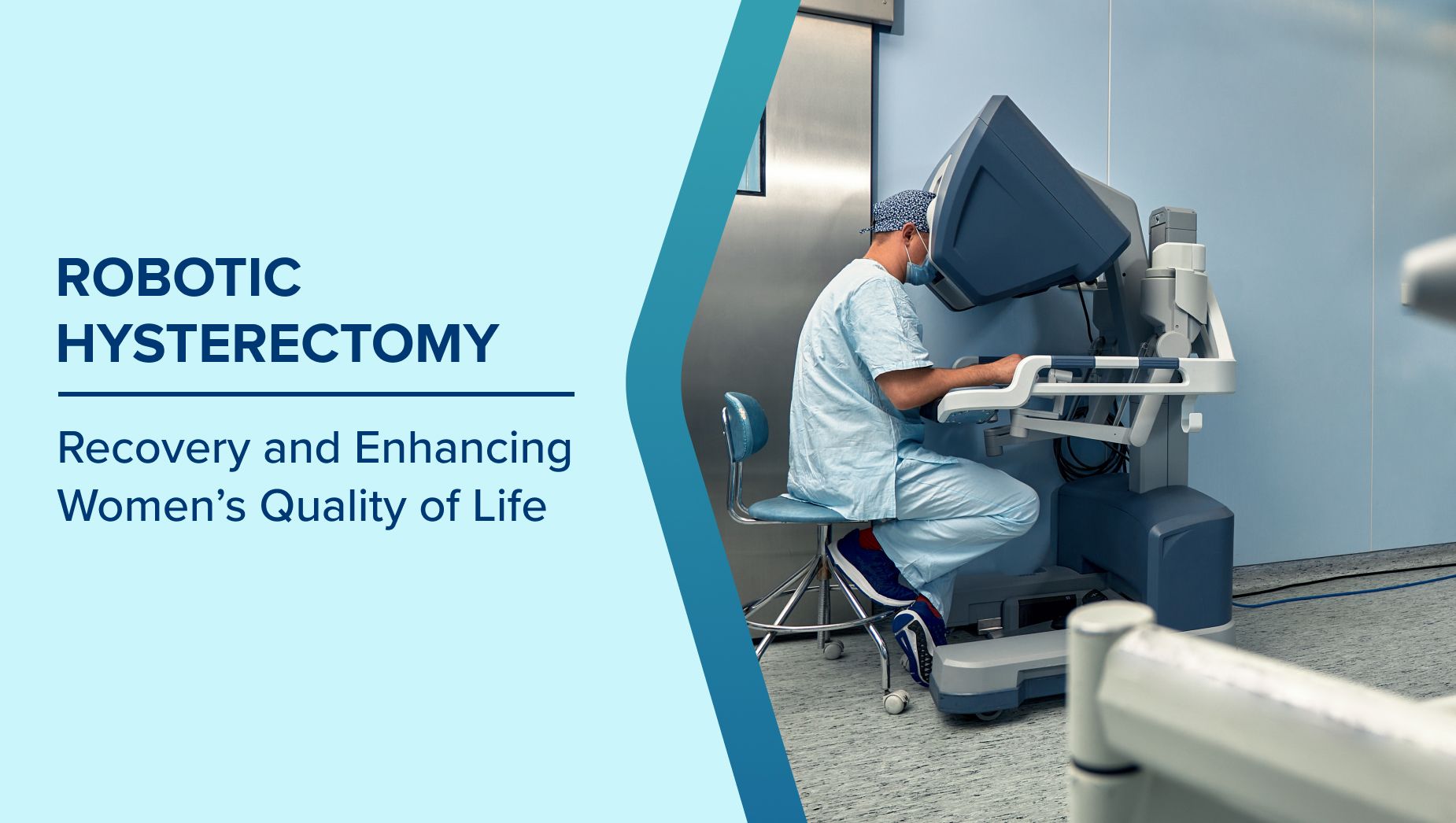
A hysterectomy is the surgical removal of the uterus, sometimes along with nearby structures like the cervix, fallopian tubes, or ovaries, depending on medical needs. In robotic hysterectomy, surgeons use robotic-assisted instruments controlled from a console. These instruments provide enhanced precision, flexible movement, and a magnified three-dimensional view of the surgical area.
Unlike open surgery, which requires a large incision, robotic hysterectomy uses a few small cuts in the abdomen. This less invasive method is one of the main reasons why recovery is smoother and faster.
Why Women Choose Robotic Hysterectomy
Women may require a hysterectomy for several conditions, such as:
- Persistent pelvic pain.
- Uterine fibroids are not manageable with other treatments.
- Endometriosis with severe symptoms.
- Abnormal or heavy bleeding.
- Certain gynaecological cancers.
Robotic hysterectomy is often recommended because it balances safety with efficiency, reducing downtime while maintaining surgical accuracy.
The Experience of Recovery After Robotic Hysterectomy
One of the most notable differences women notice with robotic hysterectomy is the recovery journey. Instead of weeks in bed, many patients regain independence quickly.
- Shorter hospital stay: Most women return home within a day or two.
- Less blood loss during surgery: Hence better recovery.
- Less pain: Smaller incisions mean less discomfort compared to traditional surgery.
- Quicker return to routine: Light activities are often possible within a week, with full recovery in four to six weeks.
- Minimal scarring: Small cuts heal more cleanly, often leaving only faint marks.
This smoother recovery helps women transition back to family responsibilities, careers, and personal goals without prolonged interruption.
Physical Benefits Beyond Recovery
Robotic hysterectomy is not just about faster healing but also about long-term physical benefits. Women often experience:
- Relief from chronic pelvic pain.
- Elimination of heavy menstrual bleeding.
- Reduced risk of complications like infections due to smaller incisions.
- Better pelvic support when combined with precise surgical repair.
For many, these benefits result in improved comfort and mobility, which were previously limited by persistent health issues.
Emotional and Lifestyle Improvements
Undergoing a hysterectomy can be emotionally challenging, but many women report a positive shift in quality of life afterwards. This is largely because debilitating symptoms that once disrupted daily routines are resolved. Emotional improvements include:
- Reduced stress from not worrying about excessive bleeding or sudden pain.
- Better sleep as pain and discomfort subside.
- Improved confidence in social and professional settings.
- Greater focus on future well-being without constant medical concerns.
These changes extend far beyond the surgical procedure, influencing every aspect of personal life.
Preparing for Robotic Hysterectomy
A well-prepared patient usually experiences a smoother recovery. Preparation may involve:
- Medical tests to evaluate overall health.
- Adjustments in medications if needed.
- Discussions with the surgeon about the procedure, risks, and expected outcomes.
- Planning home support for the first few days after surgery.
Having a clear plan ensures women enter surgery feeling informed and confident.
Potential Considerations
Although robotic hysterectomy is generally safe, certain factors must be considered:
- Women who undergo a hysterectomy will no longer be able to carry pregnancies.
- Hormonal changes may occur if the ovaries are also removed.
- Some patients may experience temporary fatigue or bloating during recovery.
Careful discussion with a gynaecologist helps manage expectations and make informed decisions.
The Role of Skilled Surgeons in Better Outcomes
The success of robotic hysterectomy depends greatly on the surgeon’s expertise. An experienced surgeon ensures the precise removal of the uterus while protecting surrounding tissues and reducing risks. Women benefit from shorter operating times, smoother recovery, and more reliable results when treated by a skilled team.
Conclusion
Robotic hysterectomy has transformed the way women approach treatment for complex uterine conditions. Beyond surgical precision and faster recovery, it offers a chance to regain control over health and daily life. For many women, this procedure is not just about removing an organ, but about opening the door to a more comfortable, confident, and active future.
FAQs About Robotic Hysterectomy
Will I need hormone therapy after a robotic hysterectomy?
Hormone therapy is only required if the ovaries are removed during the surgery. If the ovaries remain intact, most women do not need hormonal support.
How soon can I return to work after a robotic hysterectomy?
Many women return to desk jobs within two to three weeks, though recovery time may vary depending on individual healing and the nature of work.
Are there restrictions on physical activity after a robotic hysterectomy?
Yes, heavy lifting and intense exercise should be avoided for several weeks. Walking and light activities are encouraged during recovery.
Can robotic hysterectomy be used for cancer treatment?
Yes, in some cases, robotic hysterectomy is performed as part of cancer treatment, but the suitability depends on the specific condition and stage.
How does robotic hysterectomy compare with laparoscopic hysterectomy?
Both are minimally invasive, but robotic hysterectomy provides enhanced precision, greater dexterity for the surgeon, and improved visibility during surgery.
Written and Verified by:

Related Blogs

Dr. Manju Khemani In Obstetrics And Gynaecology
Oct 27 , 2020 | 3 min read

Dr. Neera Aggarwal In Obstetrics And Gynaecology , Nutrition And Dietetics
Nov 07 , 2020 | 7 min read
Blogs by Doctor

Quadruple Marker Test: Price, Normal Range & Results
Dr. Sakshi Sahil Bansal In Obstetrics And Gynaecology
Apr 22 , 2025 | 4 min read
Vaginal Cancer 101: Types, Causes, Symptoms and Treatment Options
Dr. Sakshi Sahil Bansal In Obstetrics And Gynaecology
Jun 24 , 2025 | 11 min read
Most read Blogs

Related Blogs
Dr. Manju Khemani In Obstetrics And Gynaecology
Oct 27 , 2020 | 3 min read
Dr. Neera Aggarwal In Obstetrics And Gynaecology , Nutrition And Dietetics
Nov 07 , 2020 | 7 min read
Blogs by Doctor
Quadruple Marker Test: Price, Normal Range & Results
Dr. Sakshi Sahil Bansal In Obstetrics And Gynaecology
Apr 22 , 2025 | 4 min read
Vaginal Cancer 101: Types, Causes, Symptoms and Treatment Options
Dr. Sakshi Sahil Bansal In Obstetrics And Gynaecology
Jun 24 , 2025 | 11 min read
Most read Blogs