 WhatsApp Us (24/7)
 +91 926 888 0303 (24/7)


To Book an Appointment
Call Us+91 926 888 0303Recovery After Robotic Endometriosis Surgery: Timeline & Care
By Dr. Bijoy Kumar Nayak in Obstetrics And Gynaecology , Gynecologic Oncology , Robotic Surgery , Gynaecologic Laparoscopy
Apr 08 , 2026

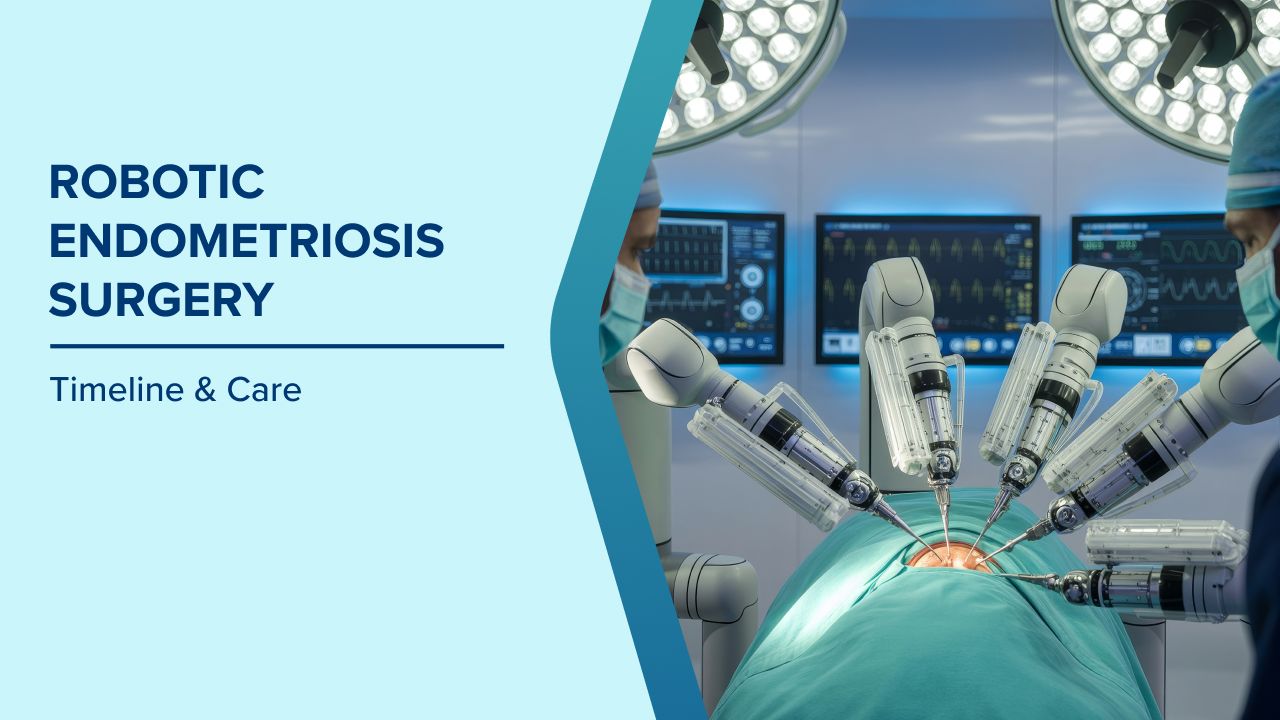
Recovery after robotic endometriosis surgery focuses on gradual healing, pain management, and restoring daily activities over time. This minimally invasive procedure uses advanced robotic technology to remove endometriosis tissue with precision, leading to smaller incisions and typically faster recovery compared to traditional surgery.
Endometriosis affects nearly 1 in 10 women of reproductive age, often causing chronic pelvic pain and fertility challenges. Robotic-assisted surgery has become a preferred option due to improved surgical accuracy and reduced tissue damage.
Patients often want to understand what happens after surgery and how long recovery will take. This includes physical healing, pain levels, and returning to normal routines.
What Happens Immediately After Surgery
The first 24–72 hours after robotic endometriosis surgery are focused on rest and initial healing. Since this is a minimally invasive procedure, most patients experience less pain compared to open surgery, but some discomfort is still expected.
Common immediate symptoms include mild abdominal pain, fatigue, and slight bloating. You may also experience shoulder pain from the gas used during the procedure. These symptoms usually improve within a few days.
What helps during this phase:
- Rest and limit physical activity
- Take prescribed medications as directed
- Stay hydrated and eat light meals
Short walks are often encouraged to improve circulation and reduce the risk of complications. Early care and gentle movement can support faster healing and reduce discomfort.
Recovery Timeline After Robotic Endometriosis Surgery
The recovery timeline can vary depending on individual health and the extent of surgery. However, most patients follow a general pattern.
Typical recovery stages:
- Week 1: Fatigue and mild pain are common; rest is essential
- Week 2–3: Gradual return to light daily activities
- Week 4–6: Most patients resume normal routines
Although recovery is faster than traditional surgery, internal healing may take several weeks. It’s important not to rush the process.
Key recovery tips:
- Avoid heavy lifting during the early weeks
- Follow post-surgery instructions carefully
- Attend follow-up appointments
Listen to your body and increase activity gradually rather than pushing too hard too quickly.
Managing Pain and Discomfort After Surgery
Pain after robotic endometriosis surgery is usually manageable but varies from person to person. Understanding the cause of discomfort can help with better coping.
Pain may come from incision sites, internal healing, or residual inflammation. Gas-related discomfort is also common in the first few days.
Ways to manage discomfort:
- Use prescribed pain relief medications
- Apply a warm compress (if advised)
- Maintain a comfortable resting position
Additional supportive measures:
- Gentle walking to reduce stiffness
- Deep breathing exercises for relaxation
- Wearing loose clothing to avoid irritation
Proper pain management improves comfort and allows you to stay active during recovery.
Activity, Diet, and Lifestyle During Recovery
Adjusting your daily routine is essential for a smooth recovery after robotic endometriosis surgery. Simple lifestyle changes can support faster healing and reduce the risk of complications.
Recommended activity levels:
- Start with short walks
- Avoid strenuous exercise initially
- Gradually increase movement over time
Diet considerations:
- Eat light, easily digestible meals
- Include fibre-rich foods to prevent constipation
- Stay hydrated as recommended
Lifestyle tips for better recovery:
- Get adequate sleep and rest
- Avoid smoking or alcohol if applicable
- Manage stress through relaxation techniques
Plan your daily routine in advance to balance rest and light activity effectively.
Signs of Recovery vs Warning Signs
Understanding what is normal during recovery helps reduce anxiety. At the same time, recognising warning signs ensures timely medical attention.
Normal recovery signs:
- Mild swelling or bruising
- Gradual improvement in pain
- Increasing energy levels over time
Warning signs to watch for:
- Persistent or severe pain
- Fever or chills
- Unusual discharge or bleeding
- Redness or swelling around incision sites
If any unusual symptoms occur, it’s important to consult your doctor promptly. Early identification of complications can prevent more serious health issues.
Emotional Recovery and Long-Term Outlook
Recovery is not just physical, it also involves emotional healing. Many patients feel relief after surgery, especially if symptoms improve, but some may experience temporary emotional ups and downs.
Hormonal changes, pain relief expectations, and lifestyle adjustments can all influence mood.
Ways to support emotional well-being:
- Stay connected with supportive friends or family
- Practice relaxation techniques like meditation
- Set realistic expectations for recovery
Over time, many individuals experience improved quality of life, reduced pain, and better daily functioning. Give yourself time to adjust emotionally and physically during recovery.
Conclusion
Recovery after robotic endometriosis surgery involves a gradual return to normal life, supported by proper care and patience. While the minimally invasive approach allows for faster healing, it’s important to respect your body’s pace and follow recommended guidelines.
By understanding the recovery timeline, managing symptoms effectively, and maintaining healthy habits, you can support a smoother healing process. Staying aware of warning signs and attending follow-up visits are key to long-term well-being.
If you have concerns during recovery, consult your doctor for personalised guidance. Taking proactive steps today can help ensure a more comfortable and confident recovery journey.
Frequently Asked Questions
1. How long does it take to recover from robotic endometriosis surgery fully?
Full recovery can take several weeks, although many people return to light activities within 2–3 weeks. Internal healing may continue beyond this period, so gradual progress and regular follow-ups are important for optimal recovery.
2. Can I return to work after robotic endometriosis surgery?
Return to work depends on the type of job and the individual's recovery speed. Desk-based work may resume sooner, while physically demanding roles may take longer. Always follow your healthcare provider’s recommendations.
3. Is robotic surgery better than traditional surgery for endometriosis recovery?
Robotic surgery is often associated with smaller incisions, reduced pain, and quicker recovery. However, outcomes depend on individual conditions and surgical complexity. Discussing options with a specialist helps determine the best approach.
4. What should I avoid during recovery after endometriosis surgery?
Activities like heavy lifting, intense exercise, and sudden movements should be avoided initially. Following post-operative guidelines carefully helps prevent complications and supports smoother healing.
5. Can endometriosis return after robotic surgery?
Endometriosis can recur even after surgery. Long-term management and regular monitoring are important for effectively managing symptoms and reducing the risk of recurrence.
Written and Verified by:

Related Blogs

Dr. Manju Khemani In Obstetrics And Gynaecology
Oct 27 , 2020 | 3 min read

Dr. Neera Aggarwal In Obstetrics And Gynaecology , Nutrition And Dietetics
Nov 07 , 2020 | 7 min read
Most read Blogs

Related Blogs
Dr. Manju Khemani In Obstetrics And Gynaecology
Oct 27 , 2020 | 3 min read
Dr. Neera Aggarwal In Obstetrics And Gynaecology , Nutrition And Dietetics
Nov 07 , 2020 | 7 min read
Most read Blogs