 WhatsApp Us (24/7)
 +91 926 888 0303 (24/7)


To Book an Appointment
Call Us+91 926 888 0303Breaking the Chain: How Simple Habits Can Prevent the Spread of Infectious Diseases
By Dr. Meenakshi Jain in Internal Medicine
Sep 19 , 2025 | 5 min read

Infectious diseases can spread quickly and affect anyone, yet many outbreaks can be prevented with simple, everyday habits. Understanding how germs travel and adopting basic precautions empowers individuals and communities to reduce risk.
From hand hygiene to environmental awareness, small actions add up to big benefits for health. Let’s explore practical ways to break the chain of infection and highlight habits that protect both you and those around you.
Understanding How Infectious Diseases Spread
Infectious diseases are caused by bacteria, viruses, fungi, or parasites. They can move from person to person through various routes:
- Direct contact: Physical touch with an infected person, such as shaking hands or hugging, can transmit germs.
- Indirect contact: Touching contaminated surfaces like doorknobs, handrails, or shared objects spreads infection.
- Airborne transmission: Some germs travel in droplets when someone coughs, sneezes, or talks, especially in enclosed spaces.
- Food and water contamination: Consuming unclean food or water can introduce pathogens into the body.
Understanding these pathways highlights the importance of mindful habits to stop germs before they spread.
The Power of Simple Habits
Small, consistent habits can drastically reduce infection risk. Practising hygiene, covering coughs and sneezes, and maintaining clean surroundings prevent germs from travelling. Even actions as simple as washing hands at the right times or avoiding touching your face can make a significant difference.
Hand Hygiene: A Cornerstone of Prevention
Hands are the most common way germs move from one person to another. Effective hand hygiene involves:
- Frequent handwashing: Use soap and water for at least 20 seconds, especially before meals, after using the toilet, and after touching public surfaces. Ensure you clean between fingers and under nails.
- Using hand sanitiser: Alcohol-based hand sanitiser is a practical alternative when soap and water are unavailable. It helps kill most germs quickly, making it ideal for on-the-go situations.
- Avoid touching your face: Germs can easily enter the body through the eyes, nose, and mouth. Being mindful not to touch your face reduces the chance of infection.
Respiratory Hygiene and Mask Use
Respiratory droplets are a common way many infectious diseases spread. Simple habits can significantly reduce transmission:
- Covering coughs and sneezes: Use a tissue or the inside of your elbow to stop droplets from travelling through the air. Dispose of tissues safely and wash your hands immediately.
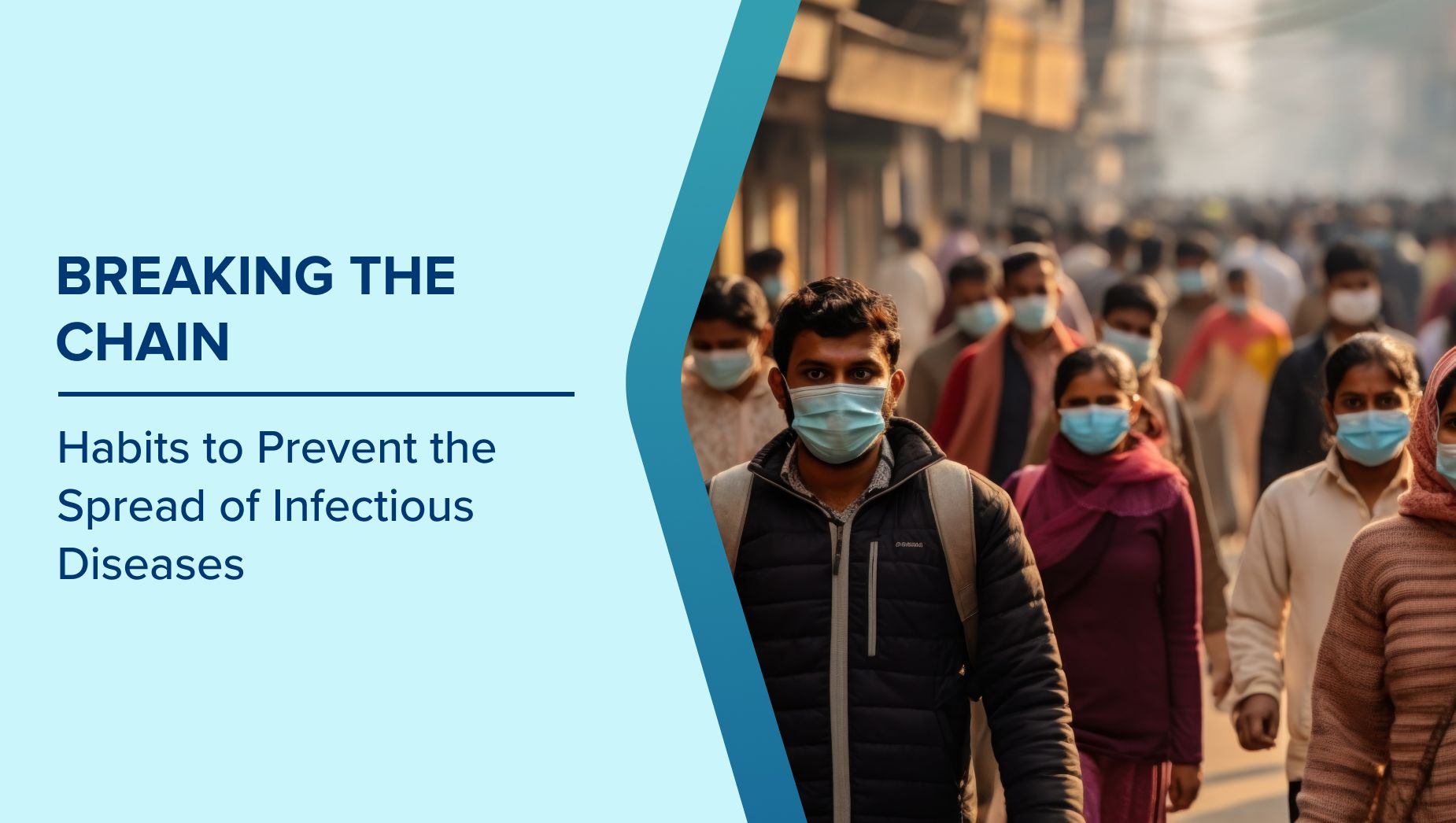
- Wearing masks in crowded or enclosed spaces: Masks help block airborne particles, protecting both you and those around you, especially when social distancing is difficult.
- Maintaining physical distance: Stay at a safe distance from people who appear unwell, such as those coughing or sneezing.
- Practising general respiratory awareness: Avoid touching your mouth or nose after coughing or sneezing, and remind others in your household or workplace to follow these habits.
By consistently applying these measures, you help limit the spread of germs, keeping yourself and your community safer in public and shared spaces.
Read More:- An Introductory Guide to Infectious Diseases
Food, Water, and Personal Hygiene
Protecting yourself from infectious diseases also involves paying attention to what enters your body and maintaining personal cleanliness. Key practices include:
- Safe food handling: Rinse fruits and vegetables carefully, ensure meat and seafood are fully cooked, and keep raw and cooked foods separate.
- Clean drinking water: Drink water from treated or trusted sources and store it safely to avoid contamination.
- Personal hygiene: Regular bathing, wearing clean clothes, and keeping nails trimmed and clean reduce places where germs can settle.
- Mindful habits: Wash hands before eating, avoid sharing utensils, and maintain a tidy kitchen and dining area.
Incorporating these practices alongside hand and respiratory hygiene strengthens your body’s natural defences and helps reduce the risk of infection in daily life.
Environmental Measures and Community Awareness
Preventing infectious diseases goes beyond individual habits; community practices play a vital role. Simple environmental measures can make a big difference:
- Clean frequently-touched surfaces: Regularly disinfect doorknobs, light switches, workstations, and shared equipment.
- Manage crowding and ventilation: Avoid overcrowded spaces when possible, and ensure proper airflow indoors.
- Promote hygiene awareness: Sharing practical tips on handwashing, respiratory care, and sanitation encourages collective responsibility.
When communities work together to maintain clean and safe spaces, personal hygiene habits become even more effective at stopping infections.
Healthy Lifestyle for Infection Resistance
A strong immune system helps the body fight off germs more efficiently. Supporting your immunity involves everyday healthy habits:
- Balanced nutrition: Consume a variety of fruits, vegetables, whole grains, and proteins to provide essential nutrients.
- Regular physical activity: Exercise improves circulation, boosts immune function, and contributes to overall wellness.
- Adequate sleep: Rest is critical for the body’s natural defence mechanisms to function optimally.
- Stress management: Chronic stress can weaken immunity, so include relaxation techniques, mindfulness, or hobbies in your routine.
Even when hygiene practices are followed, maintaining a healthy lifestyle ensures the body is better prepared to resist infections.
Breaking the Chain in Daily Life
Applying preventive measures consistently in everyday settings is key to stopping disease transmission. Practical strategies include:
- At home: Wash hands regularly, keep commonly used surfaces clean, and isolate when feeling unwell.
- At work: Avoid sharing personal items, cover coughs and sneezes, and disinfect shared spaces.
- At school: Encourage handwashing, maintain clean shared tools and equipment, and teach children basic hygiene habits.
- During travel: Carry hand sanitiser, minimise contact with high-touch surfaces, and practise personal hygiene on public transport.
By integrating these habits into daily life, individuals help break the chain of infection, protecting themselves and their communities.
Conclusion
Preventing infectious diseases does not require complicated tools or medicines. Simple habits, when practised consistently, are highly effective at reducing risk. Hand hygiene, respiratory care, safe food and water practices, environmental cleanliness, and a healthy lifestyle all contribute to breaking the chain of infection. By adopting these measures in daily life, you protect yourself, your family, and the wider community. Collective action and awareness are key to maintaining a healthier, safer environment.
FAQs
Can pets contribute to the spread of infectious diseases?
Yes, some germs can be transmitted from animals to humans, so practising good hygiene around pets is important.
How does ventilation influence disease transmission?
Well-ventilated spaces reduce the concentration of airborne germs, lowering the chance of infection.
Can public transportation increase the risk of catching infections?
Yes, crowded buses, trains, and taxis can expose you to germs, so using hand sanitiser and avoiding touching your face helps reduce risk.
Do seasonal changes affect the spread of infectious diseases?
Yes, colder or rainy seasons can increase the spread of certain infections, making hygiene and preventive habits even more important.
How long can germs survive on everyday objects?
Some germs can survive for hours to days, depending on the surface, making regular cleaning and handwashing important.
Is it possible to prevent all infectious diseases through habits alone?
While habits greatly reduce risk, vaccines and professional medical care are also important in preventing certain infections.
Written and Verified by:

Related Blogs


Dr. Vandana Boobna In Internal Medicine
Nov 08 , 2020 | 2 min read
Blogs by Doctor

Care Plan for Malaria: Effective Self-Care Tips and Recovery
Dr. Meenakshi Jain In Internal Medicine
Jun 05 , 2024 | 2 min read

Commit to Your Health: Take the Pledge for Better Health This Father’s Day
Dr. Meenakshi Jain In Internal Medicine
Jul 01 , 2024 | 2 min read
Most read Blogs


Related Blogs
Dr. Vandana Boobna In Internal Medicine
Nov 08 , 2020 | 2 min read
Blogs by Doctor
Care Plan for Malaria: Effective Self-Care Tips and Recovery
Dr. Meenakshi Jain In Internal Medicine
Jun 05 , 2024 | 2 min read
Commit to Your Health: Take the Pledge for Better Health This Father’s Day
Dr. Meenakshi Jain In Internal Medicine
Jul 01 , 2024 | 2 min read
Most read Blogs