 WhatsApp Us (24/7)
 +91 926 888 0303 (24/7)


To Book an Appointment
Call Us+91 926 888 0303Pregnancy Hospital Bag Checklist: Everything You Need to Pack
By Medical Expert Team
Aug 11 , 2025 | 10 min read

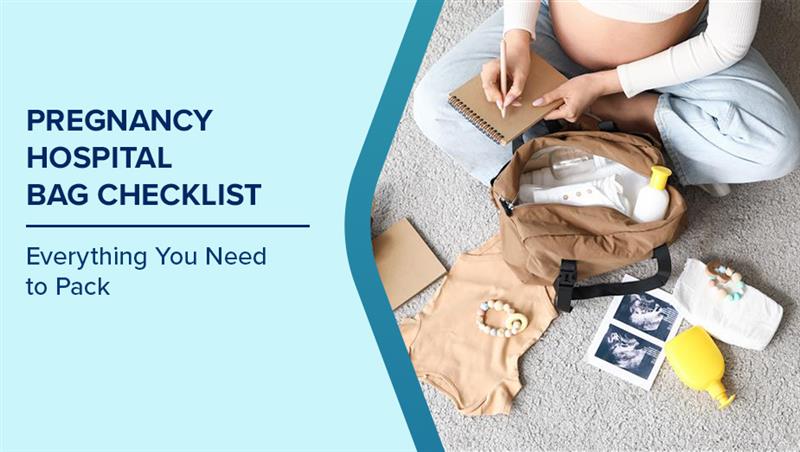
The final weeks of pregnancy are generally filled with great excitement. After months of waiting, your baby is about to come into the world, and there’s a lot to think about before heading to the hospital. One practical step during this time is packing a hospital bag. This bag typically includes comfortable clothing, basic toiletries, baby essentials, and a few extras to help make your hospital stay more comfortable. For many, especially first-time parents, deciding what all to pack can feel overwhelming. That’s where a checklist proves useful. It offers a clear plan and helps ensure nothing important is left out. To make things a little simpler, this blog provides a detailed hospital bag list for labour and delivery so you know exactly what to pack.
When Should You Start Packing Your Hospital Bag?
It’s a good idea to start packing your hospital bag sometime between week 32 and week 36 of pregnancy. This gives you enough time to gather everything you need without feeling rushed. For first-time parents, packing early also allows time to double-check with your doctor or hospital in case there are specific requirements.
If the pregnancy is considered high-risk or there’s a chance of early delivery, it may be better to have the bag ready even sooner. Once packed, it’s best to keep the bag in an easy-to-reach spot at home or even in the car so it’s ready to go whenever labour begins.
Read More:- Early Pregnancy Symptoms and Body Changes: What to Expect in Each Trimester
What to Pack for the Mother?
Packing for the hospital stay involves thinking about two stages i.e., labour and the recovery period after delivery. Both require different sets of essentials. Here’s the maternity hospital bag list to help organise what’s needed.
For Labour and Delivery
- Hospital file, ID, and other documents: Include a copy of your doctor’s prescriptions, blood reports, ultrasound scans, and your hospital registration form if pre-registered. These are often asked for as soon as you arrive.
- Loose, breathable clothing or labour gown: Although many hospitals provide gowns, some prefer to wear their own. Choose soft, loose-fitting clothes that are easy to change and don’t restrict movement.
- Slippers and socks: Slippers for walking during early labour and socks to keep feet warm in air-conditioned labour rooms.
- Hair ties, clips, or headband: Labour can last hours, and hair in your face can be distracting or irritating.
- Lip balm or petroleum jelly: Dry lips are common from mouth breathing during contractions.
- Dry snacks (if allowed): A few non-perishable snacks such as biscuits or granola bars may be allowed before active labour begins. Hospitals usually restrict eating once labour progresses.
- Water bottle with straw: Makes it easier to sip water without shifting positions, especially helpful if lying down.
- Lightweight shawl or cardigan: Labour rooms can be cold, and a light layer can make you more comfortable
- Small towel or facial wipes: Useful to wipe off sweat or freshen up between contractions.
- Optional comfort items: Stress balls, calming music playlist, earphones, essential oil roll-ons, or anything that helps manage discomfort in early labour.
For Post-Delivery
- Comfortable nightwear or feeding-friendly gowns: Opt for front-open, breathable cotton gowns or button-down nightdresses for ease of breastfeeding. You may need 2-3 pairs depending on your hospital stay.
- Nursing bras and disposable breast pads: Nursing bras provide support and easy access for feeding. Breast pads help absorb leaks and prevent staining.
- High-waist underwear or disposable briefs: Regular underwear may feel tight or uncomfortable after delivery. Disposable maternity underwear is soft and ideal for holding maternity pads.
- Heavy absorbency maternity pads: Postpartum bleeding can last for several days. Regular sanitary pads may not be enough during the first 48 hours.
- Toiletries: Pack everything you need to feel clean and refreshed including face wash, body wash, toothpaste, toothbrush, moisturiser, shampoo, hairbrush, and deodorant. Avoid using strong fragrances.
- Bath towel and soft face towel: Hospitals may not always provide towels, so carrying your own is recommended.
- Bathroom slippers: Needed for showers or moving around your room.
- Face masks and hand sanitiser: Hospitals often require masks in certain areas; hand sanitiser is useful when guests visit or during quick clean-ups.
- Going-home outfit: Choose loose-fitting maternity clothes that are easy to wear and won’t press on the abdomen, especially important after a C-section.
Check Your EDD:- Pregnancy Due Date Calculator
What to Pack for the Baby?
Babies need very few items in the first few days, but it helps to keep their bag neatly packed with soft, safe, and practical essentials. Here’s a list of what most parents find useful during the hospital stay:
- Newborn clothes (4–6 sets): Pack full-sleeve, front-open cotton tops and matching bottoms or onesies. Choose soft fabrics that are gentle on the skin and easy to change.
- Swaddles or wraps (2–3): Hospitals may provide some, but carrying your own clean muslin or cotton swaddles ensures comfort and hygiene.
- Receiving blanket or baby sheet (1–2): Useful for wrapping the baby when moving between rooms or at discharge. Lightweight blankets are enough for most hospitals.
- Baby cap, mittens, and booties (2–3 sets): These help maintain body temperature and protect from scratches.
- Soft cotton nappies or disposable diapers: Newborns may go through 8–10 changes a day. Some parents prefer cloth nappies; others use newborn-size diapers—pack what you’re comfortable with.
- Wipes or soft cotton squares: Use for gentle cleaning during nappy changes. Choose alcohol-free and fragrance-free wipes suitable for sensitive newborn skin.
- Diaper rash cream or barrier cream: Not always needed from day one but helpful in case of early skin irritation.
- Burp cloths or small soft towels (2–3): For wiping dribbles or spit-up during and after feeds.
- Gentle baby soap or cleanser (optional): Some hospitals give the first bath, but you can carry a travel-size baby wash if needed.
- Baby towel (soft and hooded, if possible): Keeps the baby warm after a bath.
- Going-home outfit: Choose a soft, weather-appropriate outfit with a cap and socks. Avoid tight elastics or harsh fabrics.
- Baby nail file or emery board: Some babies are born with long nails; filing instead of cutting is safer in the early days.
- Sterilised feeding bottles (if not breastfeeding): Only if bottle feeding is planned. Pre-sterilised bottles are convenient for hospital use.
- Baby care file or vaccination record: If your doctor has given a newborn health booklet, keep it handy to record vaccines or health checks before discharge.
What to Pack for the Partner/Support Person?
The partner or support person plays an important role throughout labour and recovery. Staying prepared ensures they can offer support without feeling stressed or uncomfortable. Here's what they may need to pack:
- Comfortable clothes: Light, loose-fitting clothes and a jacket or shawl in case the hospital room feels cold. A spare set of clothes is also useful for longer stays.
- Snacks and water bottle: Quick bites like protein bars, nuts, or dry snacks help keep energy levels up, especially if the labour is long.
- Cash and ID proof: Some hospitals may ask for documents or require small payments for services. Keep a few copies of necessary IDs.
- Toiletries: Toothbrush, toothpaste, deodorant, and face wipes help freshen up, especially if staying overnight.
- Towel and basic bedding: A small blanket or bedsheet and a pillow in case the hospital doesn’t provide extras.
- Hospital paperwork: Keep insurance documents, admission forms, or medical files that may be needed during registration or discharge.
- Entertainment or reading material: A book, earphones, or a tablet to pass time during long waiting hours.
Packing these basics helps the support person stay calm, alert, and fully available to assist the mother during one of the most important moments of their journey.
Read More:- Healthy Lifestyle During Pregnancy: Do’s and Don’ts for Healthy Baby
What to Avoid Packing in Your Hospital Bag?
It’s natural to want to be fully prepared and pack anything and everything you use in your daily life, but overpacking can make it harder to find what’s actually needed. Hospitals often have limited space, so it’s best to stick to the essentials. Here are a few things to leave out:
- Valuables: Avoid bringing expensive jewellery, large amounts of cash, or high-end gadgets. There’s a risk of misplacement or loss during the hospital stay.
- Too many baby clothes: A few clean sets are enough. Newborns are often swaddled in hospital-provided clothing or wraps during the initial stay.
- Heavy makeup or styling tools: Most new mothers don’t use them during their hospital stay, and they only take up space.
- Books and games in bulk: One or two forms of light entertainment are enough. Too many can clutter the bag.
- Large pillows or bedding sets: Hospitals usually provide basic bedding. Bringing extra can be bulky unless the hospital advises it.
- Unapproved food items: Some hospitals have restrictions on outside food. Always check beforehand.
- Perfumes or strong fragrances: These may not be suitable for newborns or for shared rooms where others might be sensitive to smells.
Focusing on practical and purposeful items makes your hospital bag easier to manage and ensures you have what’s truly needed during those first important days.
Final Words
Packing your hospital bag in advance helps you stay prepared and focused as your due date approaches. It ensures that everything you and your baby might need is ready to go, without the pressure of last-minute decisions. For any doubts about what to carry or how to prepare for delivery, speak to a maternity expert at Max Hospital and get the right guidance.
Frequently Asked Questions
What is the 3-3-3 packing list?
The 3-3-3 packing list is a simple way to remember what to pack in your hospital bag. It stands for 3 items for labour, 3 for post-delivery, and 3 for the baby. This method helps keep packing light, though many people may still choose to carry a few extra essentials based on their personal needs.
Do all hospitals have different requirements for what to bring?
Yes, each hospital may have its own list of what it provides and what it expects patients to bring. For example, some hospitals offer gowns, nappies, and baby blankets, while others may require parents to bring their own. It’s best to check with your hospital well in advance so you can avoid overpacking or missing out on essentials.
How many bags should be taken to the hospital?
It’s often easier to divide your items into two bags, one for labour and one for post-delivery. This helps you avoid digging through everything at once and keeps things more organised. Some parents also carry a separate, smaller bag just for baby items.
Are snacks and drinks allowed in the hospital bag?
Light snacks and drinks can be helpful, especially for the support person who may be with you for several hours. Hospitals may limit what you can eat during labour depending on the situation, so always confirm this beforehand. Energy bars, dry fruits, and non-messy snacks are often preferred.
Which documents should be included in the hospital bag?
Carry your government-issued ID, health insurance documents, hospital registration papers, and any medical records related to the pregnancy. If you have a birth plan or are on any medication, include those details too. Keep everything in a waterproof folder or pouch so it stays safe and easy to access.
Can electronics such as mobile phones, chargers, or cameras be packed?
Yes, but stick to the essentials. A fully charged phone, charger, earphones, and a power bank can be useful. If you want to capture moments after birth, a compact camera can be included. However, avoid carrying expensive electronics unless necessary.
Can a hospital bag be different for a planned vs an emergency delivery?
Yes. In planned deliveries like scheduled C-sections, parents often feel more prepared and have time to pack extra comfort items. In emergencies, the focus is on the essentials. Having the bag ready early ensures readiness for both scenarios.
Is it helpful to label or organise sections within the bag?
Labelling pouches or using packing cubes can make it easier to access things quickly, especially during labour. Separating items for labour, post-delivery, and the baby can save time and reduce stress when unpacking at the hospital.
Should a copy of the birth plan be included in the bag?
Yes, keeping a printed copy of the birth plan in the hospital bag is helpful. It allows the care team to quickly refer to your preferences, especially if the support person is unavailable to explain them at the moment.
What if the hospital stay is longer than expected?
Pack a few extra items such as additional undergarments or baby clothes. It’s also a good idea to have a small second bag ready at home that a family member can bring later if needed, with extras like snacks, toiletries, or comfort items.
Related Blogs

Dr. Manju Khemani In Obstetrics And Gynaecology
Oct 27 , 2020 | 3 min read

Dr. Neera Aggarwal In Obstetrics And Gynaecology , Nutrition And Dietetics
Nov 07 , 2020 | 7 min read
Most read Blogs

Related Blogs
Dr. Manju Khemani In Obstetrics And Gynaecology
Oct 27 , 2020 | 3 min read
Dr. Neera Aggarwal In Obstetrics And Gynaecology , Nutrition And Dietetics
Nov 07 , 2020 | 7 min read
Most read Blogs