 WhatsApp Us (24/7)
 +91 926 888 0303 (24/7)


To Book an Appointment
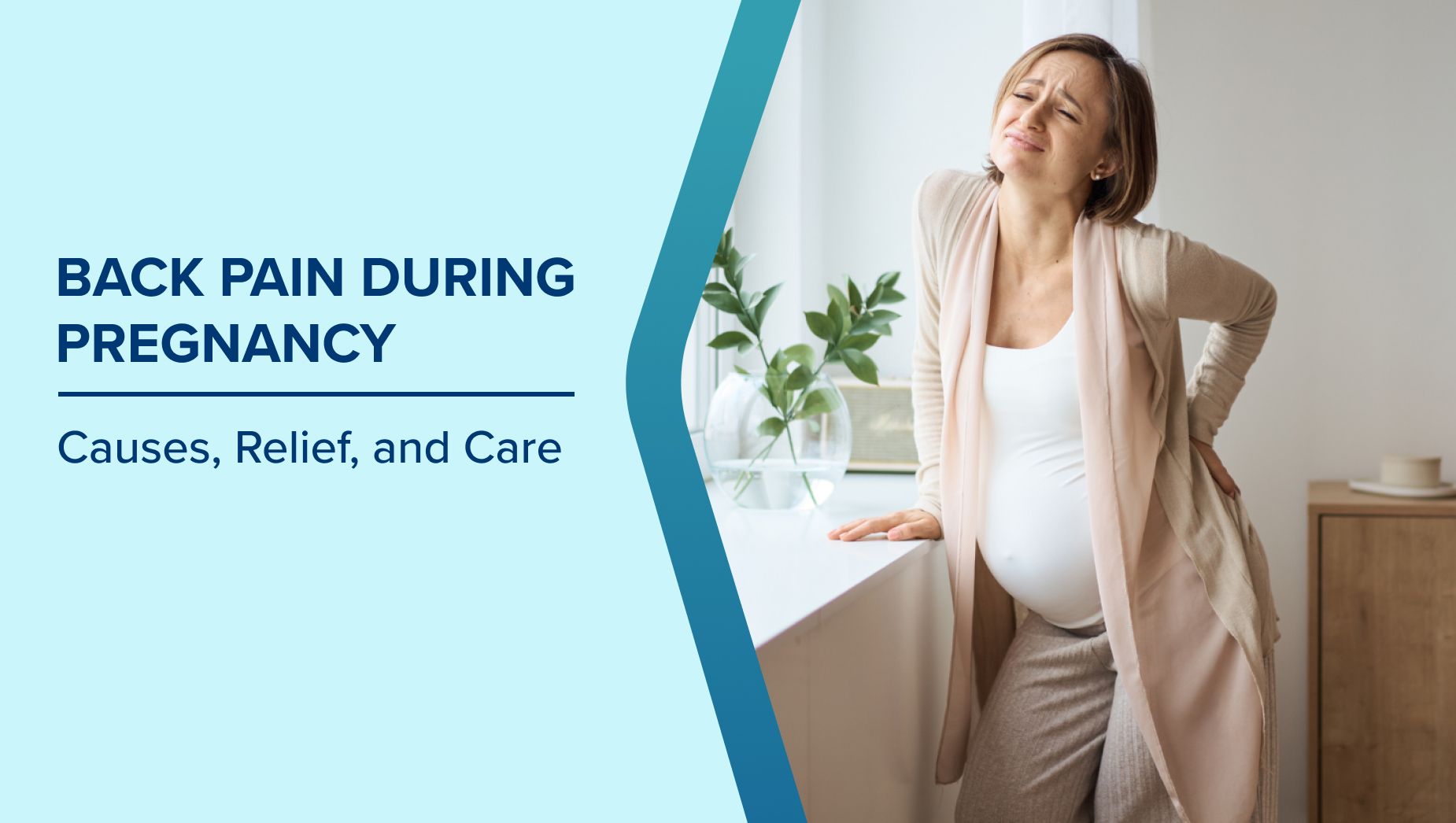
Call Us+91 926 888 0303Back Pain During Pregnancy: Types, Remedies & Prevention
By Dr. Parinita Kalita in Obstetrics And Gynaecology , Robotic Surgery , Gynaecologic Laparoscopy
Nov 14 , 2025 | 3 min read

Pregnancy is a life-changing journey filled with joy, anticipation, and physical changes. While many expectant mothers glow with happiness, they may also face discomforts that come with a growing baby bump. One of the most common issues is back pain during pregnancy, which affects nearly two-thirds of pregnant women.
For some, the pain is mild and occasional, while for others, it may interfere with daily activities and sleep. This discomfort often begins in the second trimester and can intensify as the due date approaches. Understanding why back pain occurs, how to relieve it safely, and when to seek medical care is essential for both comfort and peace of mind.
Why Does Back Pain Occur During Pregnancy?
Back pain happens due to physical, hormonal, and postural changes as your body adjusts to support the growing baby.
- Weight Gain: Extra pregnancy weight puts pressure on the spine and lower back.
- Postural Shifts: The growing belly pulls your centre of gravity forward, straining back muscles.
- Hormonal Changes: The hormone relaxin loosens joints and ligaments, making the pelvis less stable.
- Muscle Separation: Abdominal muscles stretch, reducing support for the back.
- Emotional Stress: Stress can tighten muscles, worsening discomfort.
Back pain is common, but understanding its root causes makes it easier to manage.
Types of Back Pain During Pregnancy
Pregnant women typically experience lower back pain and posterior pelvic pain.
Lumbar Pain (Lower Back Pain):
- Similar to general back pain.
- Often worsens after standing or sitting for long periods.
Posterior Pelvic Pain:
- Felt deeper in the buttocks or hips.
- More common than lumbar pain in pregnancy.
Quick Facts:
- Pain usually begins in the second trimester.
- Some women experience both types simultaneously.
Identifying the type of pain helps guide appropriate treatment.
Common Risk Factors
Not every woman experiences severe back pain, but some factors increase the risk.
- Previous history of back pain
- Multiple pregnancies
- Sedentary lifestyle or lack of exercise
- Poor posture or heavy lifting
- Excessive weight gain during pregnancy
Lifestyle and medical history play a big role in the intensity of pregnancy back pain.
Safe Remedies for Back Pain During Pregnancy
A combination of lifestyle adjustments, exercises, and supportive aids can help relieve discomfort.
Exercise and Stretches
- Prenatal yoga, swimming, and walking.
- Strengthens core and back muscles.
Good Posture
- Stand tall, avoid slouching.
- Use a footrest when sitting.
Supportive Gear
- Maternity belts or belly bands.
- Supportive shoes (avoid high heels).
Prenatal Massage
- Helps relax tight muscles.
- Should be done by a certified therapist.
Sleep Support
- Sleep on the side with a pillow between your knees.
- Use a pregnancy pillow for back support.
Relief is possible with simple, consistent self-care habits.
Medical Treatment Options
If lifestyle remedies don’t help, doctors may recommend safe treatments.
- Physical Therapy: Exercises tailored to strengthen back and pelvic muscles.
- Chiropractic Care: Performed by trained professionals specialising in pregnancy care.
- Medications: Paracetamol may be prescribed; stronger pain relievers are avoided unless necessary.
- Acupuncture: Some studies suggest it can relieve pregnancy-related back pain.
Always consult your doctor before starting any medical or alternative treatment.
Preventing Back Pain During Pregnancy
Prevention focuses on posture, exercise, and weight management.
- Maintain a Healthy Pregnancy Diet: Prevents excessive weight gain.
- Stay Active: Regular prenatal exercises improve flexibility and strength.
- Lift Correctly: Bend knees instead of the waist.
- Wear Supportive Shoes: Flat, cushioned footwear is best.
- Take Breaks: Avoid sitting or standing too long.
A healthy lifestyle before and during pregnancy is the best prevention strategy.
When to Seek Medical Help
Severe or unusual back pain can signal complications and requires medical attention.
- Pain accompanied by fever or burning during urination (possible infection).
- Pain radiating down the legs (sciatica).
- Sudden, severe back pain in late pregnancy.
- Regular back pain with cramping, which could signal preterm labour.
Don’t ignore back pain if it feels different from usual pregnancy discomfort.
Conclusion
Back pain during pregnancy is one of the most common discomforts, but with the right knowledge and care, it can be managed effectively. From posture adjustments and gentle exercise to medical therapies, there are many safe ways to find relief.
Remember, every pregnancy is unique. While mild back pain is expected, severe or unusual symptoms should always be discussed with your doctor. By staying proactive, practising self-care, and seeking professional help when needed, you can focus on the joys of pregnancy instead of the discomforts.
With the right balance of care and support, you can enjoy a healthy pregnancy and prepare confidently for the arrival of your little one.
Frequently Asked Questions
Q1. Is back pain normal during pregnancy?
Yes, it’s very common due to weight gain, posture changes, and hormonal effects.
Q2. What trimester is back pain worst in?
Most women experience it in the second and third trimesters, when the baby grows rapidly.
Q3. Can exercise worsen back pain?
No, gentle doctor-approved exercises like yoga or walking usually help strengthen muscles and relieve pain.
Q4. Are back pain medications safe in pregnancy?
It is always better to take any medications only prescribed by a doctor.
Q5. Can back pain be a sign of labour?
Yes, persistent lower back pain with cramping, especially in the third trimester, may indicate labour onset.
Q6. How can I sleep comfortably with back pain?
Sleeping on your side with a pillow between your knees and under your belly often provides relief.
Written and Verified by:

Related Blogs

Dr. Manju Khemani In Obstetrics And Gynaecology
Oct 27 , 2020 | 3 min read

Dr. Neera Aggarwal In Obstetrics And Gynaecology , Nutrition And Dietetics
Nov 07 , 2020 | 7 min read
Blogs by Doctor

What to Expect When you are Expecting
Dr. Parinita Kalita In Obstetrics And Gynaecology
Apr 18 , 2016 | 2 min read

What are Postpartum Periods: Essential Facts & Tips for New Moms
Dr. Parinita Kalita In Obstetrics And Gynaecology , Robotic Surgery , Gynaecologic Laparoscopy
Jul 31 , 2023 | 4 min read
Most read Blogs

Related Blogs
Dr. Manju Khemani In Obstetrics And Gynaecology
Oct 27 , 2020 | 3 min read
Dr. Neera Aggarwal In Obstetrics And Gynaecology , Nutrition And Dietetics
Nov 07 , 2020 | 7 min read
Blogs by Doctor
What to Expect When you are Expecting
Dr. Parinita Kalita In Obstetrics And Gynaecology
Apr 18 , 2016 | 2 min read
What are Postpartum Periods: Essential Facts & Tips for New Moms
Dr. Parinita Kalita In Obstetrics And Gynaecology , Robotic Surgery , Gynaecologic Laparoscopy
Jul 31 , 2023 | 4 min read
Most read Blogs