 WhatsApp Us (24/7)
 +91 926 888 0303 (24/7)


To Book an Appointment
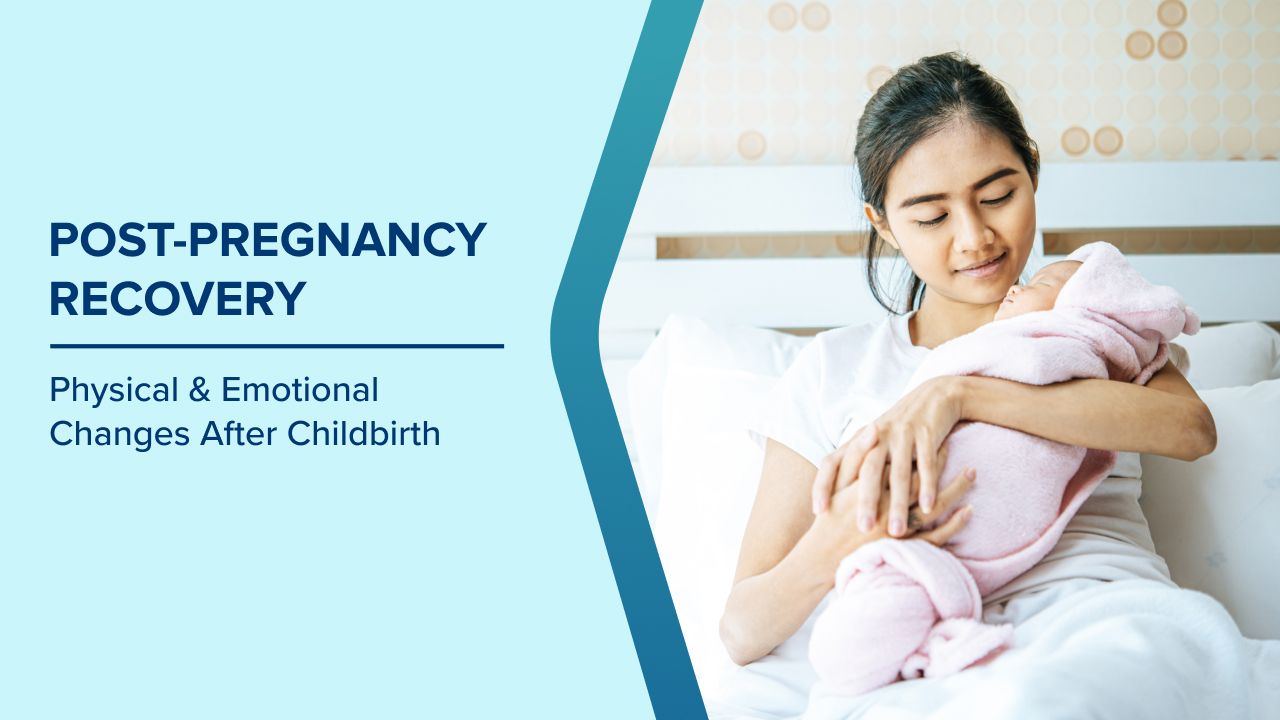
Call Us+91 926 888 0303Post-Pregnancy Recovery: Physical & Emotional Changes After Childbirth
By Dr. Seema Jain in Laparoscopic / Minimal Access Surgery , Obstetrics And Gynaecology , Robotic Surgery , Gynaecologic Laparoscopy
Jun 04 , 2026

After childbirth, most conversations focus on the baby. Feeding schedules, sleep routines, vaccinations, and milestones quickly take centre stage. Meanwhile, many mothers quietly deal with physical discomfort, emotional changes, exhaustion, and unexpected body changes that are rarely discussed openly.
Post-pregnancy health is about far more than recovering from delivery. The weeks and months after childbirth can affect energy levels, hormones, mental well-being, digestion, pelvic health, skin, sleep, and overall confidence. Some changes improve gradually, while others may need medical attention or lifestyle support.
Understanding what is normal, what should not be ignored, and how to care for your body after pregnancy can help mothers feel more prepared, supported, and less alone during recovery.
Why the Postpartum Period Feels Different for Every Mother
No two postpartum recoveries look exactly the same. Some women regain strength quickly, while others continue experiencing fatigue, pain, emotional ups and downs, or physical discomfort for months.
Several factors influence post-pregnancy recovery, including:
- Type of delivery
- Sleep quality
- Breastfeeding
- Hormonal shifts
- Nutritional status
- Existing medical conditions
- Emotional support at home
- Physical activity levels
The Exhaustion That Goes Beyond Lack of Sleep
Newborn care naturally disrupts sleep, but postpartum fatigue is often more complex than simply waking up at night.
Many mothers experience:
- Persistent tiredness despite rest
- Brain fog or forgetfulness
- Reduced concentration
- Low motivation
- Physical weakness
Hormonal fluctuations, blood loss during delivery, dehydration, breastfeeding demands, irregular meals, and emotional stress can all contribute to ongoing exhaustion.
Small Habits That Can Help Restore Energy
Recovery does not always require major lifestyle changes. Small adjustments often make daily life more manageable.
Helpful habits include:
- Eating regular meals instead of skipping breakfast or lunch
- Keeping healthy snacks nearby during feeding sessions
- Drinking enough water throughout the day
- Taking short periods of rest whenever possible
- Asking family members for practical help
- Spending a few minutes outdoors daily
Many mothers feel pressure to "bounce back" quickly, which can make them ignore signs of burnout. Rest is part of recovery, not a sign of weakness.
Changes in Mental and Emotional Health
Emotional recovery after pregnancy is often overlooked. Mood changes can happen even in mothers who felt emotionally prepared for childbirth.
Some women experience:
- Increased irritability
- Sudden crying spells
- Anxiety about the baby's health
- Feelings of guilt or self-doubt
- Emotional numbness
- Difficulty relaxing
- Fear of making mistakes
Temporary emotional fluctuations are common during the early postpartum period. However, persistent sadness, panic, hopelessness, withdrawal, or overwhelming anxiety should not be dismissed as "normal motherhood stress".
Why Mothers Often Stay Silent About Emotional Struggles
Many women hesitate to talk about postpartum emotional health because they fear judgement or feel they should be coping better.
Common reasons mothers stay silent include:
- Fear of being seen as a "bad mother"
- Pressure to appear happy
- Lack of support
- Comparing themselves with others
- Assuming emotional distress is temporary
Open conversations and early support can make a significant difference in postpartum recovery.
Pelvic Floor Problems Many Women Feel Embarrassed to Mention
Pregnancy and childbirth place significant strain on the pelvic floor muscles. Yet many women avoid discussing symptoms because they assume these issues are unavoidable after delivery.
Postpartum pelvic floor symptoms may include:
- Urine leakage while coughing or sneezing
- Difficulty controlling bladder urgency
- Pelvic heaviness or pressure
- Pain during intimacy
- Lower back discomfort
These symptoms may improve gradually, but persistent problems should be evaluated by a healthcare professional.
Gentle Ways to Support Pelvic Recovery
Recovery should be gradual and realistic.
Helpful measures include:
- Avoiding heavy lifting early on
- Practising pelvic floor exercises regularly
- Managing constipation to reduce strain
- Returning to exercise slowly
- Seeking physiotherapy support if symptoms continue
Ignoring pelvic discomfort for months can sometimes delay recovery further.
Body Changes That Can Affect Confidence
Many mothers are surprised by how long certain body changes last after pregnancy.
Common postpartum body changes include:
- Loose abdominal muscles
- Stretch marks
- Hair fall
- Breast changes
- Weight fluctuations
- Acne or skin pigmentation
- Swollen feet or joints
These changes can affect self-image, especially when mothers feel pressure to return quickly to their pre-pregnancy appearance.
Hair Fall After Pregnancy Can Feel Alarming
Postpartum hair shedding is particularly distressing for many women. Hormonal changes after delivery often push more hair into the shedding phase at the same time.
Hair loss usually improves gradually over several months, although recovery may vary from person to person.
Supportive habits include:
- Eating protein-rich foods
- Avoiding excessive heat styling
- Managing stress levels
- Maintaining iron and vitamin intake as advised by a doctor
Digestive Changes After Childbirth
Some mothers experience:
- Constipation
- Bloating
- Reduced appetite
- Haemorrhoids
- Acid reflux
- Irregular bowel habits
Fear of pain after stitches or surgery can also make bowel movements stressful during the early recovery period.
Supporting Digestive Health During Recovery
Simple habits can ease digestive discomfort:
- Increasing fibre intake gradually
- Drinking enough fluids
- Walking each day gently
- Avoiding long gaps between meals
- Eating freshly prepared, balanced meals
Persistent digestive symptoms should be assessed medically rather than self-treated for long periods.
Intimacy and Relationship Changes After Pregnancy
Physical recovery, hormonal changes, fatigue, and emotional adjustment can all affect intimacy after childbirth.
Some women notice:
- Reduced interest in intimacy
- Vaginal dryness
- Fear of discomfort
- Emotional distance from their partner
- Difficulty feeling confident in their body
These changes are common and often temporary, but many couples struggle because they do not discuss them openly.
Why Mothers Ignore Their Own Health Appointments
Many women remain highly attentive to their baby's health while postponing their own medical care.
Postpartum health checks are often delayed because mothers:
- Feel too busy
- Assume symptoms are normal
- Prioritise childcare over self-care
- Lack family support
- Feel guilty taking time for themselves
However, follow-up care after pregnancy is important for identifying concerns such as:
- Anaemia
- Blood pressure issues
- Persistent pain
- Thyroid changes
- Postpartum depression
- Delayed wound healing
Looking after maternal health directly supports the well-being of the entire family.
Knowing When Symptoms Should Not Be Ignored
Some postpartum symptoms require prompt medical attention.
Seek medical advice if you experience:
- Heavy bleeding or large clots
- Fever
- Severe headaches
- Chest pain
- Difficulty breathing
- Severe abdominal pain
- Persistent sadness or panic
- Redness or swelling in the legs
- Worsening wound pain
Conclusion
Post-pregnancy recovery involves far more than physical healing after childbirth. Many mothers quietly experience fatigue, emotional changes, pelvic discomfort, body image concerns, digestive problems, and ongoing exhaustion while trying to care for a newborn.
These experiences are common, but they should not be ignored or normalised to the point where women stop seeking support. Recovery takes time, and every mother deserves care, rest, reassurance, and medical attention when needed.
FAQs
1. Is it normal to feel emotionally overwhelmed months after delivery?
Some emotional adjustment is common, but persistent anxiety, sadness, irritability, or emotional exhaustion should be discussed with a healthcare professional.
2. Can breastfeeding affect joint or muscle discomfort after pregnancy?
Some mothers notice joint aches or muscle discomfort during breastfeeding due to hormonal changes, posture strain, and physical fatigue.
3. How long should abdominal weakness last after childbirth?
Mild weakness may improve gradually over months, but persistent abdominal separation or discomfort should be medically evaluated.
4. Can postpartum symptoms appear even after a normal delivery?
Yes, physical and emotional postpartum symptoms can occur after both vaginal and caesarean deliveries.
5. Should mothers avoid exercise completely during postpartum recovery?
Gentle movement is usually helpful, but exercise should return gradually based on recovery, delivery type, and medical advice.
Written and Verified by:

Related Blogs


Dr. Pradeep Chowbey In Laparoscopic / Minimal Access Surgery
Nov 16 , 2020 | 1 min read
Blogs by Doctor

Myths & Facts About Infertility
Dr. Seema Jain In Infertility & IVF , Obstetrics And Gynaecology
May 02 , 2016 | 3 min read

Benefits of Robotic Surgery in Benign Gynaecological Diseases
Dr. Seema Jain In Obstetrics And Gynaecology , Robotic Surgery , Gynaecologic Laparoscopy
Nov 29 , 2023 | 3 min read
Most read Blogs


Related Blogs
Dr. Pradeep Chowbey In Laparoscopic / Minimal Access Surgery
Nov 16 , 2020 | 1 min read
Blogs by Doctor
Myths & Facts About Infertility
Dr. Seema Jain In Infertility & IVF , Obstetrics And Gynaecology
May 02 , 2016 | 3 min read
Benefits of Robotic Surgery in Benign Gynaecological Diseases
Dr. Seema Jain In Obstetrics And Gynaecology , Robotic Surgery , Gynaecologic Laparoscopy
Nov 29 , 2023 | 3 min read
Most read Blogs