 WhatsApp Us (24/7)
 +91 926 888 0303 (24/7)


To Book an Appointment
Call Us+91 926 888 0303The Non-Stress Test: What It Is and Why It Matters
By Dr. Manju Wali in Obstetrics And Gynaecology
Dec 03 , 2025 | 5 min read

As you enter the final stages of pregnancy, your appointments with your healthcare provider will become more frequent. You might hear them mention a "non-stress test," or NST. The name itself can be a bit confusing, and you might naturally wonder, "A test that’s non-stressful? For whom, me or the baby?" It's a question many expectant parents have as they navigate the final leg of their pregnancy journey.
What is a Non-Stress Test (NST)?
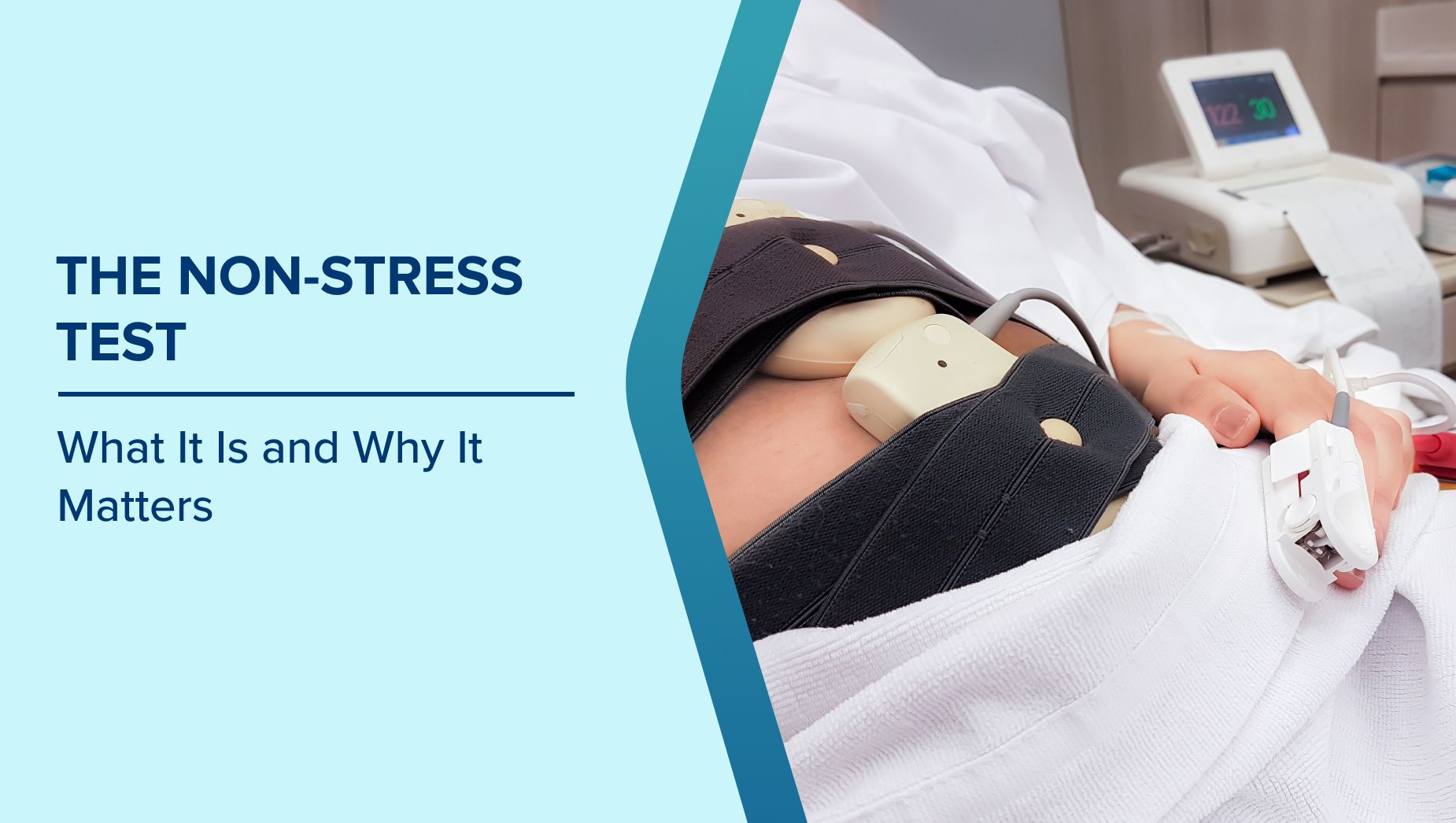
A non-stress test is a simple and non-invasive procedure that monitors your baby's heart rate in response to their own movements. The test is called "non-stress" because it doesn't place any stress on the baby or the mother.
The purpose of an NST is to ensure your baby is getting enough oxygen and is healthy. A healthy, well-oxygenated fetus will have a heart rate that speeds up when it moves. The test is a key component of late-trimester care, especially if there are concerns about the baby's health or growth, or if you've gone past your due date.
How the Test is Performed
The procedure is straightforward and can be a quiet, relaxing time to connect with your baby.
- Preparation: You'll be asked to lie down in a semi-reclined position. This is a good time to get comfortable.
- Sensor Placement: A healthcare provider will place two belts with sensors on your abdomen. One belt holds a sensor that measures your baby's heart rate, and the other measures uterine contractions.
- The Monitoring: The test typically lasts about 20-30 minutes. As your baby moves, you'll see a corresponding increase in their heart rate on the monitor. You may be given a button to press each time you feel your baby move, helping the medical team correlate movement with heart rate.
- Duration: If your baby is sleeping and isn't moving, the test may take longer, as the healthcare provider will wait for periods of activity. They may use a buzzer to gently wake the baby if they remain inactive.
Why is a Non-Stress Test Recommended?
A non-stress test is not a routine procedure for all pregnancies. It is typically recommended by a healthcare provider for specific reasons, particularly in high-risk pregnancy stages or if there are concerns about the baby's well-being.
The most common reasons for a doctor to recommend an NST include:
- Late-Term Pregnancy: If you've gone past your due date, an NST is often used to ensure the placenta is still functioning well and providing enough oxygen.
- Maternal Health Conditions: Conditions like gestational diabetes, high blood pressure, or preeclampsia can impact fetal health, and an NST helps monitor for potential pregnancy complications.
- Decreased Fetal Movement: If you notice a significant decrease in your baby's movements, a doctor may order an NST to check on their status. This is a crucial part of prenatal health.
- Multiple Pregnancies: Carrying twins or more can increase the risk of complications, making regular monitoring necessary.
- Previous Complications: If you've had a previous pregnancy with complications, a doctor may recommend an NST for reassurance.
Key Takeaways
- An NST is not always necessary for all pregnancies.
- It is a key tool for monitoring high-risk pregnancies.
- The test is often used to check for fetal distress.
- It can provide peace of mind for both you and your healthcare provider.
Read More:- Healthy Lifestyle During Pregnancy: Do’s and Don’ts for Healthy Baby
Interpreting the Results: Reactive vs. Non-Reactive
After the test, your healthcare provider will interpret the results, which are typically classified as either "reactive" or "non-reactive." Understanding these terms is a vital part of your healthy pregnancy journey.
Reactive Result
A reactive result is a positive outcome. It means your baby’s heart rate accelerated at least twice for a minimum of 15 seconds each, in response to their movements, within a 20-minute period. A reactive result is an excellent sign that your baby is well-oxygenated and healthy. Medical experts suggest this result is a strong indicator of a healthy, active fetus.
- What it means: The baby's nervous system and cardiovascular system are functioning well.
- Next steps: Your pregnancy care will continue as planned, and no further immediate testing is needed.
Non-Reactive Result
A non-reactive result means that the baby's heart rate did not meet the criteria for a reactive test within the 20-minute window. This does not automatically mean there is a problem. It could simply mean that your baby was sleeping during the test.
- What it means: The result is inconclusive. It does not definitively indicate a problem, but it requires further investigation.
- Next steps: Your doctor will likely recommend additional monitoring or testing to get a clearer picture of your baby's health. This might include:
- Extending the Test: Sometimes, a provider will extend the NST for another 20 minutes.
- Biophysical Profile (BPP): A more comprehensive test that combines an ultrasound with the NST to evaluate fetal breathing, movement, muscle tone, and amniotic fluid volume.
- Contraction Stress Test: This test is rarely used but involves monitoring the baby’s heart rate during contractions.
It's commonly recommended that if you get a non-reactive result, you remain calm. Your healthcare provider will guide you through the next steps and ensure your baby receives the proper care. A non-reactive result is simply a call for more information, not a sign of a definite problem.
Conclusion
The non-stress test is a simple, effective tool that provides valuable reassurance during the final stages of pregnancy. While the prospect of any medical test can be a source of worry, understanding that the NST is a gentle and informative way to check on your baby’s health can bring peace of mind. It’s a testament to the advancements in prenatal health that we have such safe and easy ways to monitor a baby’s well-being. As you continue your journey, remember that each test and appointment is a step toward meeting your little one. You've made it this far, and you're doing a wonderful job.
Frequently Asked Questions (FAQ)
Is the non-stress test painful?
No, the non-stress test is not painful. You may feel slight pressure from the belts on your abdomen, but the procedure is otherwise comfortable.
When are non-stress tests typically done?
Non-stress tests are most often performed during the third trimester, usually after week 32, but they can be performed as early as week 26 if needed.
How can I make my baby more active for the test?
A common pregnancy tip is to eat a small, healthy snack or drink a glass of juice about 30 minutes before your appointment. The sugar can give your baby a small energy boost and encourage movement.
What is the difference between an NST and a biophysical profile (BPP)?
An NST is just one part of a BPP. A BPP is a more comprehensive assessment that combines the NST with an ultrasound to check the baby’s breathing, movement, tone, and amniotic fluid.
Can a non-stress test predict when I will go into labour?
No, a non-stress test does not predict when you will go into labour. It is a tool for assessing your baby’s immediate health and well-being, not for forecasting delivery time.
Why might my doctor recommend an NST for my healthy pregnancy?
Even in a seemingly healthy pregnancy, if you go past your due date, an NST is often recommended to ensure the placenta is still functioning optimally to support the baby.
Written and Verified by:

Related Blogs

Dr. Manju Khemani In Obstetrics And Gynaecology
Oct 27 , 2020 | 3 min read

Dr. Neera Aggarwal In Obstetrics And Gynaecology , Nutrition And Dietetics
Nov 07 , 2020 | 7 min read
Blogs by Doctor

Breastfeeding is a Healthy Start For Your Baby
Dr. Manju Wali In Obstetrics And Gynaecology
Nov 28 , 2016 | 2 min read

What is Molar Pregnancy: Symptoms, Causes & Risk Factors
Dr. Manju Wali In Obstetrics And Gynaecology
Nov 14 , 2025 | 4 min read
Most read Blogs

Related Blogs
Dr. Manju Khemani In Obstetrics And Gynaecology
Oct 27 , 2020 | 3 min read
Dr. Neera Aggarwal In Obstetrics And Gynaecology , Nutrition And Dietetics
Nov 07 , 2020 | 7 min read
Blogs by Doctor
Breastfeeding is a Healthy Start For Your Baby
Dr. Manju Wali In Obstetrics And Gynaecology
Nov 28 , 2016 | 2 min read
What is Molar Pregnancy: Symptoms, Causes & Risk Factors
Dr. Manju Wali In Obstetrics And Gynaecology
Nov 14 , 2025 | 4 min read
Most read Blogs