 WhatsApp Us (24/7)
 +91 926 888 0303 (24/7)


To Book an Appointment
Call Us+91 926 888 0303Early Signs of Measles: How to Identify the Infection Before the Rash Appears
By Dr. Preeti Anand in Paediatrics (Ped)
Jun 05 , 2026 | 11 min read
2

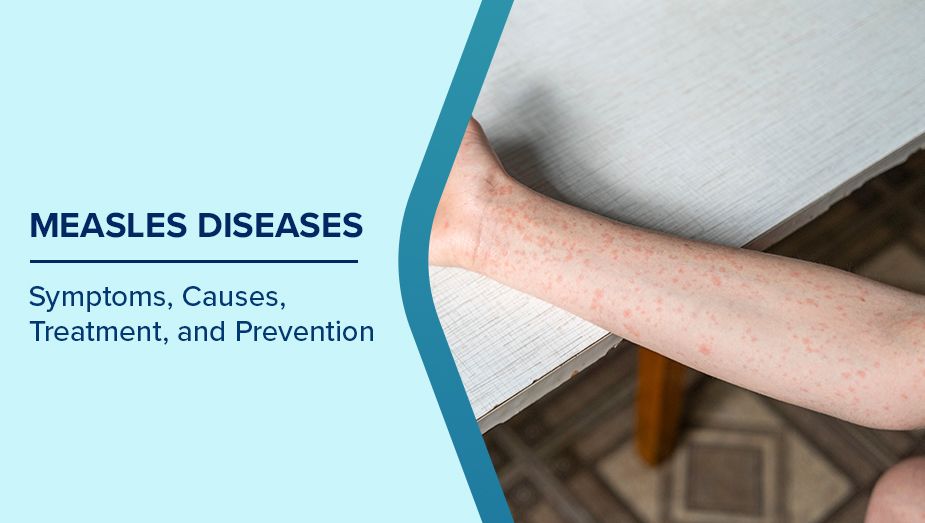
Measles is a serious and highly contagious viral infection that most people associate with a red, blotchy skin rash. However, what many do not realize is that the infection begins spreading from person to person several days before that rash ever appears. Many people unknowingly continue their daily routines while the virus spreads around them. This is one of the key reasons measles outbreaks are difficult to contain. Recognising measles early, before the rash develops, is important not just for the person who is unwell, but for everyone around them. In this blog, we will walk you through all about measles including what the infection looks like in its earliest stages, and what treatment options are available so you know exactly what to do if you or someone around you is affected.
What is Measles?
Measles is a highly contagious viral infection that spreads easily from one person to another through droplets released during coughing or sneezing. The virus enters the body through the nose, mouth, or eyes and initially affects the respiratory system before spreading further. In the early stage, it may appear similar to a common cold, which can delay recognition. As the infection progresses, it leads to symptoms such as fever, cough, runny nose, red eyes, and eventually a characteristic skin rash. Measles can affect both children and adults and may lead to complications if not identified and managed in time.
What are the Earliest Signs of Measles Before the Rash Appears?
Before the rash becomes visible, measles usually begins with symptoms that closely resemble a common viral infection, which is why it often goes unnoticed in the initial stage. Early symptoms of measles include:
- Fever: This is often the first sign. It may start as a mild rise in temperature and then increase steadily over the next few days. In many cases, the fever becomes quite high as the infection progresses.
- Persistent cough: A dry, irritating cough tends to develop early and may continue without much relief. It often becomes more noticeable as the fever rises.
- Runny nose: Continuous nasal discharge is common and can look similar to a regular cold. However, it may last longer than expected and not respond to usual care.
- Red, watery eyes: The eyes may appear red and irritated, often with watering and sensitivity to light. This symptom, when seen along with fever and cough, can be an important early clue.
As these symptoms continue, they often do not settle in the way a typical cold would. Instead, they tend to persist and gradually worsen, which can signal that the infection is not a routine illness.
How do Measles Symptoms Progress in the First Few Days?
Measles symptoms do not appear suddenly but develop in a gradual and predictable pattern over the first few days. It follows a typical pattern:
Day 1-2
Fever may start as mild and is often accompanied by a general feeling of tiredness. A runny nose and a slight cough can also develop, which may not seem unusual at this stage. Because these symptoms are common, measles may not be suspected early on.
Day 2-3
The fever continues to rise and becomes more persistent. The cough may become more frequent, and the runny nose does not settle. Redness in the eyes may start to appear, along with irritation, making the combination of symptoms more noticeable.
Day 3-4
Fever can become high and more uncomfortable. The cough and nasal symptoms persist, and the eyes may appear more red and watery. Around this time, small white spots inside the mouth may begin to develop, which can be an early sign of measles.
What are Koplik Spots and When do They Appear?
Koplik spots are small white or bluish-white spots that appear inside the mouth, usually on the inner lining of the cheeks. They are considered one of the earliest visible signs of Measles and can help in identifying the infection before the skin rash develops.
These spots typically appear around 2 to 3 days after the initial symptoms such as fever, cough, and runny nose begin. They may look like tiny grains of salt with a reddish background and are often easy to miss unless the mouth is examined closely. Since they appear before the rash, they can be an important clue in recognising measles at an early stage.
Koplik spots do not last long and may fade as the rash starts to appear. Because of this short window, they are not always noticed, but their presence can strongly suggest measles during the early phase of the infection.
Fever, Cold, or Measles: How to Tell the Difference?
Fever, cough, and a runny nose are common in many infections, which can make measles difficult to recognise in the beginning. The difference often becomes clearer when the pattern of symptoms is observed over a few days rather than looking at each symptom on its own.
In a common cold, symptoms usually remain mild and begin to settle within a few days. Fever, if present, tends to be low and short-lived. In contrast, measles often starts in a similar way but does not follow the same course. The fever tends to rise gradually and may become high, and symptoms such as cough and runny nose continue without much improvement.
Another important difference is the presence of red, watery eyes, which are more noticeable in measles and often appear along with other symptoms. As the infection progresses, these symptoms tend to worsen instead of improving, which is not typical of a simple cold.
What Causes Measles and How Does it Spread?
Measles is caused by a highly contagious virus that enters the body through the nose, mouth, or eyes and first affects the respiratory tract. After entering the body, the virus multiplies in the lining of the throat and lungs, and then spreads through the bloodstream to other parts of the body. This is what leads to the combination of fever, respiratory symptoms, and later the skin rash.
The infection spreads easily from one person to another in several ways, especially in settings where people are in close contact:
- Respiratory droplets: The virus is released into the air when an infected person coughs or sneezes, and these droplets can be inhaled by others nearby
- Close contact: Being in the same room or near an infected person increases the risk of breathing in the virus
- Airborne spread: The virus can remain in the air for some time, which allows it to infect others even after the person has left the space
- Contaminated surfaces: Droplets can settle on surfaces, and touching these surfaces followed by touching the face can lead to infection
How is Measles Managed and Treated?
Measles has no specific antiviral treatment that directly targets the virus, so management is primarily focused on relieving symptoms, preventing complications, and supporting the body's recovery. Here is an overview of how measles is typically managed and treated:
Rest and Hydration
Plenty of rest and fluids are the cornerstones of recovery. Keeping the body well hydrated is especially important in children with high fever, as they are more prone to dehydration.
Fever Relief
Paracetamol (acetaminophen) or ibuprofen can be used to bring down fever and ease general discomfort. It is important to note that aspirin should never be given to children with measles due to the risk of a serious condition called Reye's syndrome.
Vitamin A Supplements
The World Health Organization recommends Vitamin A supplements for all children diagnosed with measles. Deficiency in this vitamin is linked to more severe illness, and supplementation has been shown to significantly reduce the risk of serious complications and measles-related deaths.
Antibiotics
Antibiotics do not work against the measles virus itself but may be prescribed by a doctor if a secondary bacterial infection develops as a result of measles, such as pneumonia or an ear infection.
Hospital Care
Severe cases, particularly in young children, pregnant women, or people with weakened immune systems, may require hospitalization for close monitoring, intravenous fluids, or treatment of serious complications such as encephalitis or severe pneumonia.
Post-Exposure Treatment
People who have been exposed to measles but are unvaccinated may be given the MMR vaccine within 72 hours of exposure, or an immunoglobulin injection within six days, to either prevent the infection or reduce its severity.
Consult Today
Measles is one of those infections where acting early truly makes a difference, and now that you know what to watch for, you are already better prepared than most. If you notice any of the early signs we have discussed in yourself or your child, do not wait for the rash to appear before reaching out to a doctor, because by then the virus has already had days to spread to those around you. At Max Hospital, our Infectious Disease Specialists are equipped to evaluate your symptoms, confirm a diagnosis quickly, and guide you through the right course of care for you or your family. Booking a consultation is a straightforward step that could protect not just your health, but the health of your loved ones too.
Frequently Asked Questions
Can measles spread before any visible symptoms appear?
Yes, the infection can spread even before clear symptoms are noticed. This is one of the reasons it can pass from one person to another without immediate detection.
How long does it take to recover from measles?
Recovery usually takes a couple of weeks, although the exact duration can vary depending on overall health and how the body responds to the infection.
Can someone get measles more than once?
In most cases, having measles disease once provides long-term immunity, making repeat infections uncommon.
Is isolation necessary if measles is suspected?
Limiting contact with others is important, as it helps reduce the chances of the infection spreading, especially in shared spaces.
Are adults at risk of severe measles infection?
Adults can also develop measles and may face a higher risk of complications, especially if immunity is low.
How soon should medical advice be sought after noticing symptoms?
It is advisable to seek guidance if symptoms persist, worsen, or seem unusual, rather than waiting for more obvious signs to appear.
Can measles affect people who are otherwise healthy?
Yes, even healthy individuals can get infected, although the severity may vary from person to person.
What precautions can be taken at home if measles is suspected?
Basic steps such as rest, staying hydrated, and avoiding close contact with others can help manage the situation until medical advice is received.
Written and Verified by:

Related Blogs

Dr. Nidhi Rawal In Paediatrics (Ped)
Nov 13 , 2020 | 2 min read

Blogs by Doctor


Growing Up Healthy and Happy: A Complete Guide to Childhood Well-Being
Dr. Preeti Anand In Paediatrics (Ped)
Dec 19 , 2023 | 4 min read
Most read Blogs


Related Blogs
Dr. Nidhi Rawal In Paediatrics (Ped)
Nov 13 , 2020 | 2 min read
Blogs by Doctor
Growing Up Healthy and Happy: A Complete Guide to Childhood Well-Being
Dr. Preeti Anand In Paediatrics (Ped)
Dec 19 , 2023 | 4 min read
Most read Blogs