 WhatsApp Us (24/7)
 +91 926 888 0303 (24/7)


To Book an Appointment
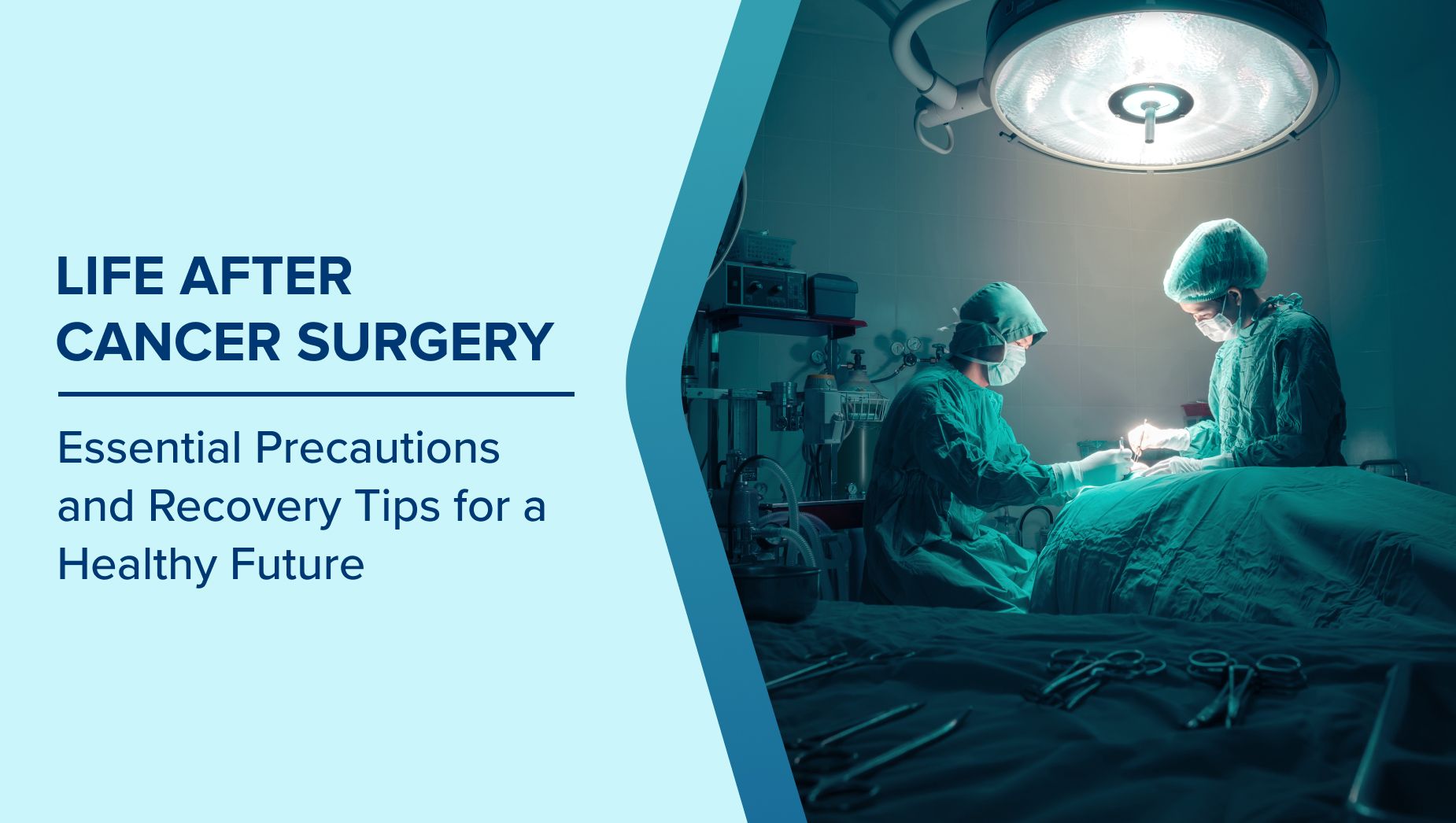
Call Us+91 926 888 0303Life After Cancer Surgery: Essential Precautions and Recovery Tips for a Healthy Future
By Dr Kamlesh Verma in Surgical Oncology , Cancer Care / Oncology
Jan 05 , 2026 | 6 min read

Cancer surgery can feel like crossing a mountain, a journey filled with challenges, courage, and hope. The moment your surgery is over, you’ve already taken a major step toward healing. Yet, recovery does not end at the operation table. Life after cancer surgery brings its own set of physical, emotional, and mental challenges.
The post-surgery phase involves rebuilding strength, managing side effects, and learning how to care for both your physical and mental well-being. Many people wonder what to expect after cancer surgery, what lifestyle changes to make, and how to reduce the chances of recurrence. The good news is that with the right precautions, a balanced diet, regular exercise, and emotional support, you can regain your health and quality of life.
Understanding Life After Cancer Surgery
Recovering from cancer surgery is a gradual process that depends on the type of cancer, the extent of surgery, and your overall health. Some people recover in a few weeks, while others may take months to feel fully restored.
Common experiences after surgery include:
- Fatigue and weakness
- Pain or swelling around the surgical area
- Emotional ups and downs
- Changes in appetite or digestion
- Sleep disturbances
Why Precautions After Cancer Surgery Matter
The recovery period is when your body rebuilds strength and immunity. Following your doctor’s advice carefully helps prevent infections, promotes faster healing, and reduces the likelihood of long-term side effects. Neglecting post-surgery care can delay recovery and increase the risk of complications.
Some important reasons to follow cancer surgery aftercare precautions include:
- Preventing wound infections
- Managing post-operative pain
- Detecting recurrence early
- Rebuilding immunity and stamina
- Supporting mental and emotional healing
Physical Recovery After Cancer Surgery
Rest, But Stay Gently Active
Rest is vital in the early days after surgery. However, complete bed rest for too long can lead to stiffness, poor circulation, and muscle loss. Once your doctor allows it, start with light movements such as short walks or gentle stretching.
Physical activity improves blood flow, reduces fatigue, and enhances mood. Always start slow, listen to your body, and gradually increase activity levels under medical guidance.
Tip: Practice breathing exercises and simple yoga stretches once your doctor approves. These promote relaxation and better lung function.
Follow Wound Care Instructions Carefully
Proper wound care is one of the most crucial precautions after cancer surgery. Keep the surgical site clean and dry as instructed. Avoid scratching or applying any products without consulting your doctor.
Watch out for warning signs, such as redness, pus, or a foul odour, which may indicate an infection. Report these symptoms immediately to your healthcare provider.
Manage Pain and Discomfort
Mild to moderate pain after surgery is normal. Take prescribed pain medications regularly rather than waiting for pain to worsen. Using hot or cold compresses (if approved by your doctor) can also provide relief.
Avoid self-medicating with over-the-counter drugs, as some may interfere with your recovery or interact with prescribed treatments.
Nutrition and Diet After Cancer Surgery
Eat Balanced, Wholesome Meals
A healthy diet supports tissue repair, strengthens immunity, and boosts energy. Focus on nutrient-rich foods such as:
- Protein: Eggs, fish, lentils, and lean meat help rebuild tissues.
- Fruits and vegetables: Provide antioxidants and vitamins that aid recovery.
- Whole grains: Offer sustained energy and improve digestion.
- Healthy fats: Nuts, seeds, olive oil, and avocados support hormone balance.
Avoid processed foods, refined sugar, and excessive salt. These can increase inflammation and slow healing.
Stay Hydrated
Dehydration can slow recovery and cause fatigue or dizziness. Drink at least 8–10 glasses of water daily, unless restricted for medical reasons. Herbal teas, soups, and fruit-infused water are also great options.
Address Digestive Issues
Many patients experience constipation or bloating after surgery, often due to medications or limited movement. Increase fibre intake gradually through fruits, vegetables, and whole grains. Staying active and hydrated also helps maintain regular bowel movements.
If digestive problems persist, consult your doctor before taking any laxatives or supplements.
Emotional and Mental Healing After Cancer
Cancer recovery is not just physical. It’s also an emotional journey that requires patience, self-compassion, and support.
Acknowledge Your Feelings
It’s normal to feel anxious, fearful, or even sad after treatment. Allow yourself to feel these emotions without judgment. Sharing your thoughts with a counsellor, therapist, or support group can help you process them constructively.
Build a Support System
Surround yourself with family, friends, or fellow survivors who understand your journey. Emotional support is vital for long-term recovery and can reduce stress and depression.
Practice Relaxation Techniques
Mindfulness, meditation, and deep breathing can help calm your mind and reduce anxiety. Spending time in nature or engaging in creative hobbies also supports emotional well-being.
Long-Term Side Effects of Cancer Surgery
Some people experience lingering side effects months or even years after surgery. Common long-term issues include:
- Fatigue or low energy
- Numbness or tingling (nerve-related symptoms)
- Hormonal imbalances
- Scar tissue stiffness
- Emotional distress or “fear of recurrence”
What to Avoid After Cancer Treatment
To protect your recovery and prevent complications, avoid:
- Smoking and alcohol: Both weaken the immune system and can delay healing.
- Heavy lifting or strenuous activity: Until your doctor clears you, avoid intense exercise or lifting heavy objects.
- Skipping medications or follow-ups: These are vital to monitor your progress and catch any complications early.
- Extreme diets or supplements: Always consult your doctor before taking any new supplements or following restrictive diets.
Strengthening Immunity After Cancer Surgery
A strong immune system helps you recover faster and lowers the risk of infections. Some practical self-care after cancer treatment tips include:
- Get adequate sleep (7–9 hours daily).
- Eat a variety of colourful fruits and vegetables.
- Practice stress management techniques.
- Stay physically active as per medical advice.
- Keep up with vaccination schedules and regular health check-ups.
Returning to Normal Life
Returning to work or daily routines depends on the type of surgery and your recovery speed. Start slowly and listen to your body. Don’t rush back into your old schedule until your doctor approves.
If you experience fatigue, ask your employer for flexible hours or lighter duties initially. Balance is key, gradual progress is better than burnout.
Building a Healthy Future
Life after cancer surgery offers a fresh opportunity to rebuild not only your physical health but also your overall well-being. Small lifestyle changes can make a big difference.
Here are a few habits to sustain long-term recovery:
- Maintain a healthy weight.
- Eat clean, home-cooked meals.
- Avoid tobacco and secondhand smoke.
- Manage stress with mindfulness or relaxation.
- Keep regular follow-up appointments.
When to Call Your Doctor
Seek medical attention if you experience:
- Persistent fever or chills
- Wound redness, swelling, or unusual discharge
- Shortness of breath or chest pain
- Severe fatigue or unexplained weight changes
- Prolonged depression or emotional distress
Conclusion
Life after cancer surgery is a journey of rediscovery, of your strength, your priorities, and your resilience. Recovery takes time, but each step you take brings you closer to a healthier, more fulfilling life.
By following these post-cancer surgery recovery tips, eating a well-balanced diet, caring for your emotional health, and maintaining regular check-ups, you can regain control and confidence in your body.
If you or a loved one is recovering from cancer surgery, remember that healing is not just about surviving; it’s about thriving. Seek guidance, ask questions, and take one day at a time.
Frequently Asked Questions
What is a healthy daily routine after cancer surgery?
A balanced routine includes adequate rest, light physical activity, nutritious meals, hydration, and relaxation. Listening to your body and following medical guidance helps maintain steady progress.
Can I take supplements after cancer treatment?
Some supplements can interfere with medications or recovery. Always consult your doctor before starting any vitamins or herbal products. A balanced diet is usually the safest way to get essential nutrients.
How can I cope with emotional changes after cancer surgery?
Joining support groups, talking to counsellors, and practising mindfulness can ease emotional distress. Emotional healing is as important as physical recovery.
When can I return to work after cancer surgery?
The right time varies for each person. Most doctors suggest returning gradually, depending on your energy levels and the nature of your work. Seek medical clearance before resuming full duties.
Are there any long-term precautions I should continue after recovery?
Continue regular health screenings, maintain a healthy diet, stay active, and avoid smoking or alcohol. Long-term vigilance ensures early detection of any recurrence and supports overall wellness.
Written and Verified by:

Related Blogs

Dr. S. VEDA PADMA PRIYA In Surgical Oncology , Cancer Care / Oncology
May 16 , 2016 | 2 min read

Dr. Kanika Batra Modi In Surgical Oncology , Cancer Care / Oncology
May 26 , 2016 | 4 min read
Blogs by Doctor
Oral Cancer Early Warning Signs: Lifestyle Habits & Care
Dr Kamlesh Verma In Surgical Oncology , Cancer Care / Oncology , Uro-Oncology , Musculoskeletal Oncology , Breast Cancer , Thoracic Oncology , Gynecologic Oncology , Head & Neck Oncology , Gastro Intestinal & Hepatopancreatobiliary Surgical Oncology
Mar 09 , 2026
Most read Blogs


Related Blogs
Dr. S. VEDA PADMA PRIYA In Surgical Oncology , Cancer Care / Oncology
May 16 , 2016 | 2 min read
Dr. Kanika Batra Modi In Surgical Oncology , Cancer Care / Oncology
May 26 , 2016 | 4 min read
Blogs by Doctor
Oral Cancer Early Warning Signs: Lifestyle Habits & Care
Dr Kamlesh Verma In Surgical Oncology , Cancer Care / Oncology , Uro-Oncology , Musculoskeletal Oncology , Breast Cancer , Thoracic Oncology , Gynecologic Oncology , Head & Neck Oncology , Gastro Intestinal & Hepatopancreatobiliary Surgical Oncology
Mar 09 , 2026
Most read Blogs