 WhatsApp Us (24/7)
 +91 926 888 0303 (24/7)


To Book an Appointment
Call Us+91 926 888 0303Lung Cancer in Never-Smokers: Symptoms & Treatment Options
By Dr. S. M. Shuaib Zaidi in Surgical Oncology , Cancer Care / Oncology , Thoracic Oncology
Jan 05 , 2026 | 3 min read

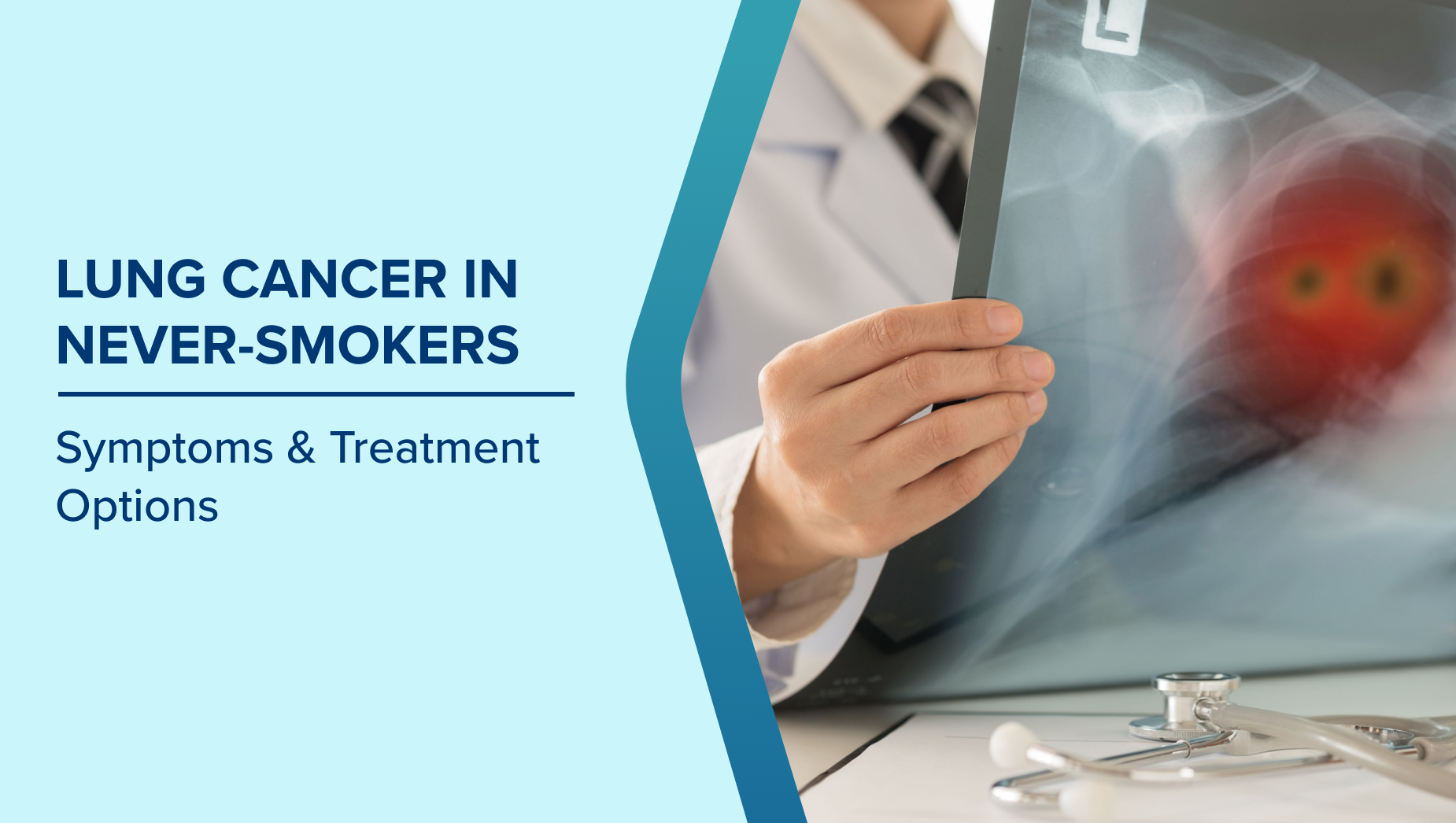
Lung cancer has been associated almost entirely with smoking. However, a growing number of people diagnosed with lung cancer have never smoked a single cigarette. Most of the lung cancer cases occur in never-smokers, making it a significant yet often overlooked public health concern.
This rise in lung cancer among non-smokers calls for a deeper look into its unique causes, early warning signs, diagnosis, and prevention strategies. Understanding these differences is critical for timely detection and improved survival rates.
Why Are Lung Cancer Cases in Never-Smokers Increasing?
The reasons behind this trend are not fully known, but research points to several contributing factors:
- Genetic Mutations: Certain gene mutations, such as EGFR, ALK, and ROS1, are more common in never-smokers with lung cancer. These mutations can drive the growth of cancer cells even without tobacco exposure.
- Air Pollution: Long-term exposure to polluted air, especially fine particulate matter (PM2.5), increases the risk of lung cancer. Urban residents and those living near industrial zones may face higher risks.
- Radon Gas Exposure: Radon, a naturally occurring radioactive gas that can seep into homes, is the second major cause of lung cancer overall and a leading cause among non-smokers.
- Secondhand Smoke: Even without actively smoking, regular exposure to secondhand smoke can harm lung tissue and increase cancer risk.
- Indoor Pollutants: Prolonged exposure to cooking fumes without proper ventilation, especially from solid fuels, has been linked to lung cancer in never-smokers in certain regions.
How Lung Cancer in Never-Smokers Differs from Smokers
While symptoms may overlap, lung cancer in never-smokers often presents differently:
- Type of cancer: Adenocarcinoma is the most common type among never-smokers. It tends to develop in the outer parts of the lungs.
- Age and gender: Never-smoker cases are often diagnosed in younger individuals and are more common in women.
- Treatment approach: Targeted therapies are more effective for certain gene mutations found in never-smokers.
Recognising Early Symptoms
Lung cancer is often detected late because its early symptoms are subtle. However, never-smokers should be aware of signs such as:
- Persistent cough lasting more than three weeks
- Unexplained shortness of breath
- Chest pain that worsens with deep breathing or coughing
- Hoarseness or voice changes
- Sudden, unexplained weight loss
- Recurrent chest infections
While other conditions can cause these symptoms, it’s important to seek medical advice promptly.
Diagnosis and Screening in Never-Smokers
Because lung cancer is less expected in never-smokers, diagnosis can be delayed. Doctors may recommend:
- Low-dose CT scans for high-risk individuals (for example, those with strong family history or radon exposure)
- Molecular testing to detect gene mutations that guide targeted treatment
- Chest X-rays, though less sensitive than CT scans, may be used initially
Early screening programs for never-smokers are still debated, but could become more common as awareness grows.
Treatment Options
Treatment for lung cancer in never-smokers often includes:
- Surgery for early-stage tumours
- Targeted therapy, which blocks specific genetic changes driving cancer growth
- Immunotherapy, which boosts the body’s immune response against cancer cells
- Radiation therapy for localised tumours or to manage symptoms
- Chemotherapy when other treatments are less suitable or in combination with them
The choice depends on cancer stage, location, and genetic profile.
Prevention Strategies for Never-Smokers
While not all cases can be prevented, risk can be reduced through:
- Testing homes for radon and installing mitigation systems if needed
- Improving indoor ventilation, especially in kitchens
- Wearing protective masks in high-pollution areas
- Avoiding secondhand smoke exposure
- Maintaining a healthy diet rich in antioxidants and regular physical activity for overall lung health
Conclusion
Lung cancer in never-smokers is a growing global concern with distinct causes, symptoms, and treatment options. Early detection remains key to improving survival rates. By understanding risk factors and advocating for screening where necessary, we can help reduce the impact of this silent threat.
Frequently Asked Questions
Can lung cancer in never-smokers be hereditary?
Yes, a family history of lung cancer can increase risk, even without smoking.
Are there specific diets that lower lung cancer risk?
A diet high in fruits, vegetables, and whole grains supports lung health, but no food can guarantee prevention.
Is lung cancer in never-smokers less dangerous than in smokers?
Lung cancer in never-smokers is not always less dangerous; its severity depends on the cancer’s type, stage, and genetic characteristics.
Can exercise help prevent lung cancer?
Regular exercise supports lung function and immune health, which may lower overall cancer risk.
How common is lung cancer in people under 40 who never smoked?
It is rare but not impossible, especially in those with strong genetic factors or environmental exposures.
Written and Verified by:

Related Blogs

Dr. S. VEDA PADMA PRIYA In Surgical Oncology , Cancer Care / Oncology
May 16 , 2016 | 2 min read

Dr. Kanika Batra Modi In Surgical Oncology , Cancer Care / Oncology
May 26 , 2016 | 4 min read
Blogs by Doctor

Colon Cancer: Symptoms, Causes and Treatment
Dr. S. M. Shuaib Zaidi In Surgical Oncology
Apr 03 , 2025 | 5 min read

Palliative Care For Cancer Patients: Managing Pain & Emotions
Dr. S. M. Shuaib Zaidi In Surgical Oncology
Apr 17 , 2025 | 4 min read
Most read Blogs


Related Blogs
Dr. S. VEDA PADMA PRIYA In Surgical Oncology , Cancer Care / Oncology
May 16 , 2016 | 2 min read
Dr. Kanika Batra Modi In Surgical Oncology , Cancer Care / Oncology
May 26 , 2016 | 4 min read
Blogs by Doctor
Colon Cancer: Symptoms, Causes and Treatment
Dr. S. M. Shuaib Zaidi In Surgical Oncology
Apr 03 , 2025 | 5 min read
Palliative Care For Cancer Patients: Managing Pain & Emotions
Dr. S. M. Shuaib Zaidi In Surgical Oncology
Apr 17 , 2025 | 4 min read
Most read Blogs