 WhatsApp Us (24/7)
 +91 926 888 0303 (24/7)


To Book an Appointment
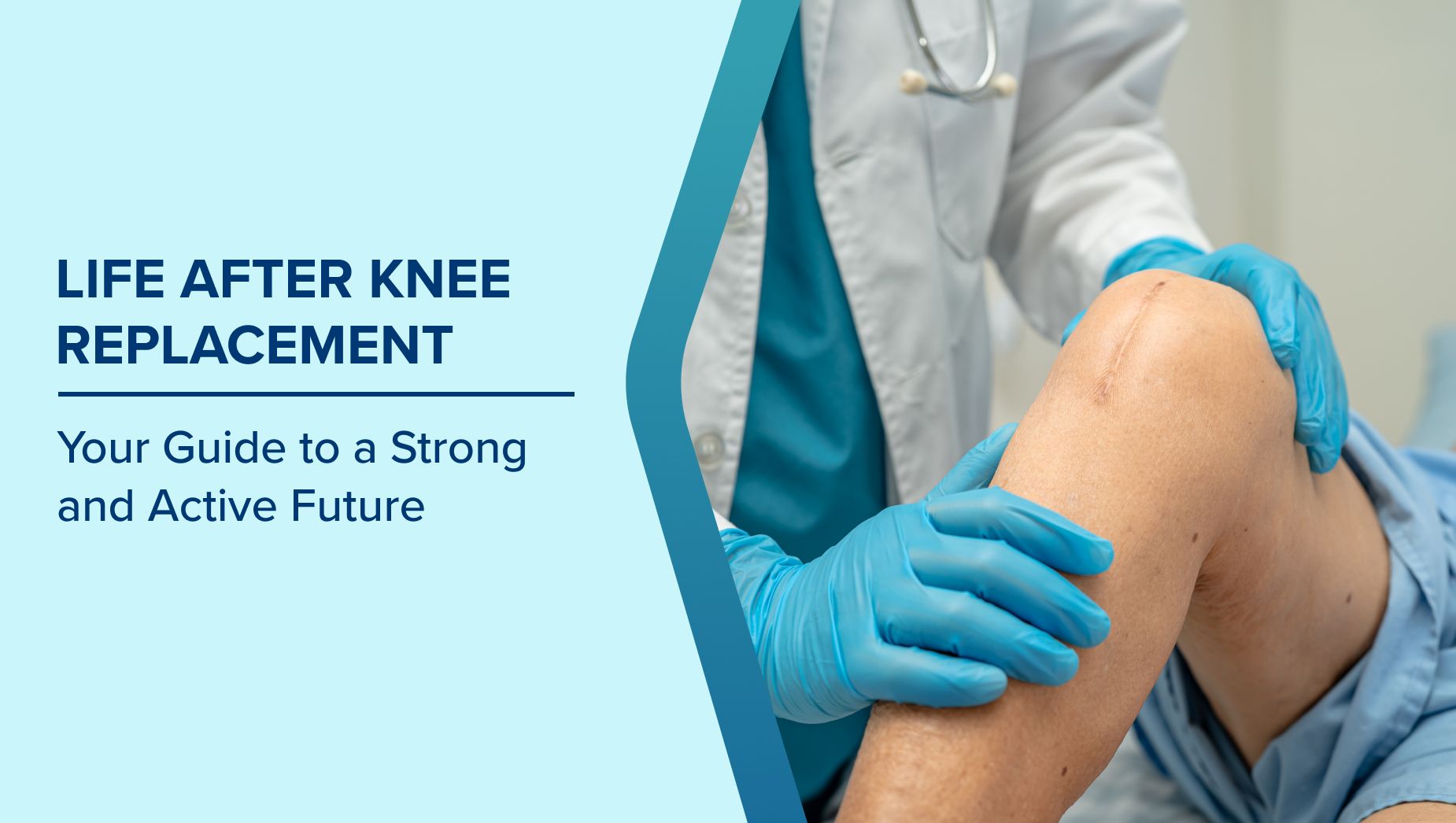
Call Us+91 926 888 0303Life After Knee Replacement: Your Guide to a Strong and Active Future
By Dr. Simon Thomas in Orthopaedics & Joint Replacement , Robotic Surgery
Jan 05 , 2026 | 2 min read

Knee replacement surgery can be life-changing for those struggling with severe knee arthritis or chronic pain. It restores mobility, eliminates discomfort, and brings back the freedom to move confidently. But the journey doesn’t end with surgery — how you care for your new joint determines how long it stays strong and pain-free.
Here’s how to make the most of your new knee and maintain an active lifestyle for years to come.
Why Post-Surgery Care Matters
A knee implant is designed to function like a natural joint, but it still requires care and attention. Following healthy habits, protecting it from injury, and staying consistent with follow-ups are essential for long-term success.
Maintain a Healthy Weight
Your knee supports your entire body, and excess weight can accelerate wear on the implant. Keeping your weight within a healthy range reduces pressure on the joint, improves movement, and enhances endurance.
Tip: Combine portion control with regular physical activity to maintain your ideal weight.
Eat for Joint Strength
Nutrition plays a crucial role in recovery and joint longevity. Focus on a diet rich in:
- Calcium and Vitamin D for stronger bones
- Protein to repair and build muscles
- Fruits and vegetables for essential antioxidants
Avoid processed and high-sodium foods, as they can cause inflammation and slow healing.
Stay Active, Stay Flexible
Exercise keeps your knee flexible, strong, and stable. Once your doctor clears you for physical activity, engage in low-impact exercises that support joint health.
Recommended activities:
- Walking or brisk walking
- Swimming or water aerobics
- Stationary cycling
- Yoga or gentle stretching
Avoid: high-impact movements such as running, jumping, or deep squats.
Safety tip: Use anti-slip mats, wear supportive footwear, and ensure proper lighting at home to prevent falls.
Never Skip Follow-Up Appointments
Even if you feel completely fine, regular medical check-ups are essential. Routine X-rays or clinical evaluations help your doctor monitor how the implant is functioning. Early detection of wear or loosening can prevent bigger issues later.
Protect Your Knee from Infection
Infections can sometimes spread from other parts of the body, such as the teeth or the urinary tract, to the knee joint. Practising good hygiene and seeking timely medical attention are key preventive measures.
Watch out for symptoms like:
- Swelling or redness near the knee
- Fever or chills
- Pain or discomfort while urinating
If you notice any of these signs, consult your doctor immediately.
Avoid Overexertion
It’s natural to want to test your limits after recovery, but pushing too hard can be harmful. Deep squatting, kneeling, or sitting cross-legged may not be necessary for daily functioning and can strain your implant. Focus instead on comfortable movements that support your lifestyle and mobility goals.
Living Well After Knee Replacement
A successful knee replacement is just the beginning. The real achievement lies in maintaining it through healthy habits, regular monitoring, and a balanced lifestyle.
With mindful care, including a nutritious diet, consistent exercise, infection prevention, and regular medical reviews, you can enjoy years of pain-free movement and independence.
Small daily choices have a big impact on your joint health. Treat your new knee with care, and it will support you every step of the way.
Written and Verified by:

Related Blogs


Dr. Ashish Jain In Orthopaedics & Joint Replacement
Nov 07 , 2020 | 1 min read
Blogs by Doctor

Technology Advancement in Robotic Knee Replacement: Procedure & Benefits
Dr. Simon Thomas In Orthopaedics & Joint Replacement , Robotic Surgery
Sep 16 , 2024 | 4 min read

Benefits of Revision Hip Replacement
Dr. Simon Thomas In Orthopaedics & Joint Replacement , Robotic Surgery
Oct 09 , 2024 | 3 min read
Most read Blogs


Related Blogs
Dr. Ashish Jain In Orthopaedics & Joint Replacement
Nov 07 , 2020 | 1 min read
Blogs by Doctor
Technology Advancement in Robotic Knee Replacement: Procedure & Benefits
Dr. Simon Thomas In Orthopaedics & Joint Replacement , Robotic Surgery
Sep 16 , 2024 | 4 min read
Benefits of Revision Hip Replacement
Dr. Simon Thomas In Orthopaedics & Joint Replacement , Robotic Surgery
Oct 09 , 2024 | 3 min read
Most read Blogs