 WhatsApp Us (24/7)
 +91 926 888 0303 (24/7)


To Book an Appointment
Call Us+91 926 888 0303Joint Pain in Young Adults: Causes and Lifestyle Habits
By Dr. Simon Thomas in Orthopaedics & Joint Replacement , Robotic Surgery
Feb 04 , 2026

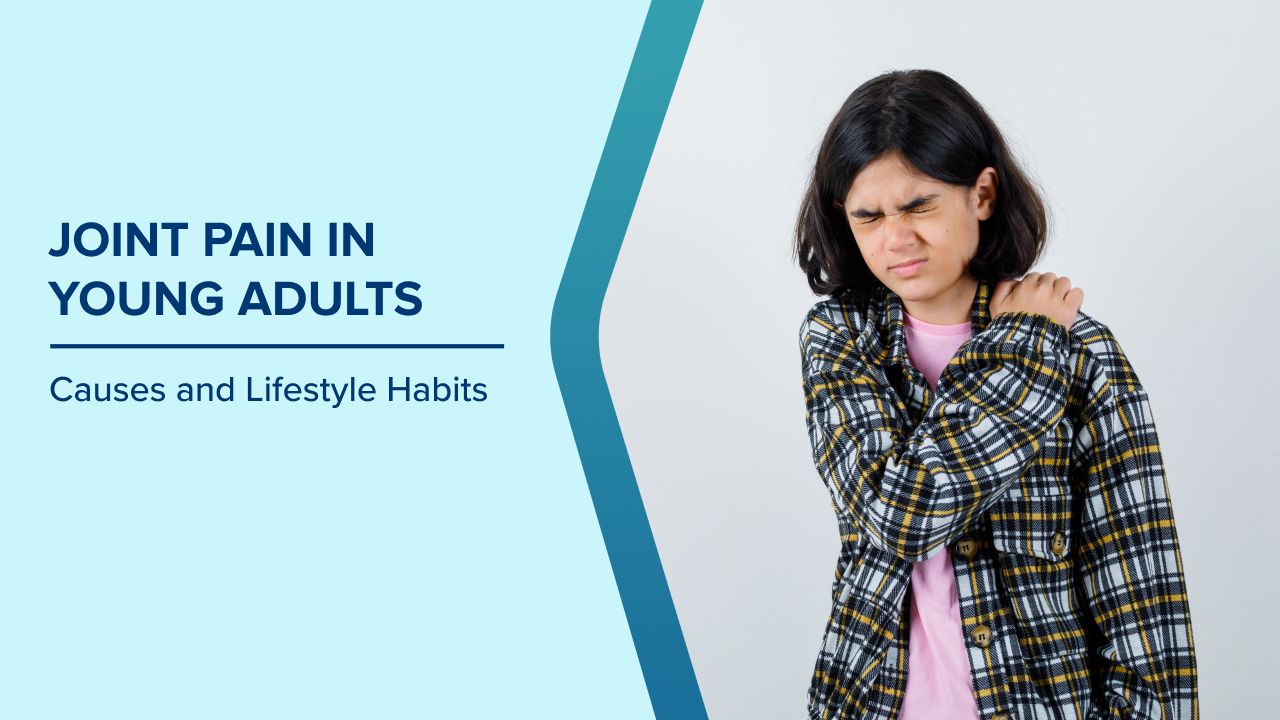
Joint pain is often dismissed as a problem that comes with ageing. However, an increasing number of young adults in their twenties and thirties are experiencing persistent joint discomfort that affects work, fitness, and daily routines. Many delay seeking care because they believe joint pain at a young age is temporary or insignificant. Unfortunately, ignoring early joint stress can allow minor issues to progress into long-term problems.
Joint pain in young adults is rarely random. It is often linked to lifestyle patterns, movement habits, nutritional gaps, and physical strain that silently affect joint health over time. Understanding these lesser-discussed factors helps young people protect their joints early and avoid chronic damage later in life.
Why Joint Pain Is Increasing Among Young Adults
Modern lifestyles place unique stress on joints, even in otherwise healthy individuals. Long hours of sitting, sudden bursts of intense exercise, and limited recovery time are common contributors.
Several changes in daily routines explain why joint pain is no longer restricted to older age groups:
- Prolonged desk work with poor posture
- Reduced natural movement during the day
- Increased screen time and mobile device use
- High-intensity workouts without conditioning
- Inadequate sleep and recovery
Joints rely on balanced movement and rest. When either is missing, pain often follows.
Lifestyle Habits That Quietly Damage Joints
Sedentary Behaviour and Joint Stiffness
Sitting for long periods reduces blood flow to joint tissues and weakens surrounding muscles. Over time, joints lose their natural lubrication and flexibility, leading to stiffness and discomfort even with basic movements.
Young professionals who sit for most of the day often experience pain in the knees, hips, shoulders, and lower back despite having no history of injury.
Overtraining and Inadequate Recovery
Fitness awareness has grown, but many young adults push their bodies without proper preparation. Sudden increases in workout intensity, repetitive high-impact movements, and skipping rest days place excessive load on joints.
Pain from overuse does not always appear immediately. It often develops gradually and becomes noticeable only when daily activities become uncomfortable.
Poor Movement Patterns and Joint Stress
Joint pain is not always caused by weakness alone. How a person moves matters just as much.
Incorrect Exercise Technique
Improper form during workouts transfers stress to the joints rather than the muscles. Squats, lunges, push-ups, and weightlifting exercises done incorrectly can strain the knees, shoulders, and wrists.
Without correction, these patterns can lead to chronic joint irritation even in physically active individuals.
Imbalanced Muscle Strength
When certain muscles are stronger than others, joints compensate for the imbalance. For example, weak hip muscles can increase pressure on the knees, while poor core strength can affect spinal alignment.
These imbalances often develop unnoticed until joint pain becomes persistent.
Nutritional Gaps That Affect Joint Health
Young adults often overlook the role of nutrition in joint function. Poor dietary habits can weaken connective tissues and slow recovery.
Key nutritional factors linked to joint discomfort include:
- Low intake of calcium and vitamin D
- Inadequate protein for tissue repair
- Dehydration affecting joint lubrication
- Excessive processed foods increasing inflammation
Joint tissues require consistent nourishment to remain resilient. Deficiencies may not cause immediate symptoms but can gradually reduce joint tolerance to stress.
Stress and Its Impact on Joint Pain
Mental stress does not stay confined to the mind. It affects posture, muscle tension, sleep quality, and inflammation levels.
Chronic stress can cause:
- Persistent muscle tightness around joints
- Reduced pain threshold
- Poor sleep affecting tissue repair
Young adults balancing careers, studies, and personal responsibilities often underestimate the role of stress in physical discomfort.
Early Warning Patterns That Should Not Be Ignored
Joint pain in young adults often presents subtly. Certain patterns suggest that joints are under strain rather than experiencing temporary fatigue.
Warning signs include:
- Pain that is present daily rather than occasionally
- Discomfort that worsens with routine activity
- Stiffness after rest rather than after exertion
- Pain affecting concentration or sleep
These patterns indicate the need for professional evaluation rather than self-management alone.
Treatment Approaches Focused on Long-Term Joint Health
Treatment for joint pain in young adults is not about masking symptoms. The goal is to restore balance, movement quality, and tissue resilience.
Activity Modification and Movement Correction
Identifying harmful movement patterns and correcting them significantly reduces joint stress. Small changes in posture, exercise technique, and daily movement can offer lasting relief.
Structured Physical Therapy
Targeted therapy helps strengthen supportive muscles, improve joint stability, and restore flexibility. This approach addresses the root cause rather than just pain relief.
Lifestyle-Based Joint Protection
Joint health improves when daily routines support movement and recovery, including:
- Regular breaks from sitting
- Low-impact activity on rest days
- Proper warm-up and cool-down routines
- Adequate sleep and hydration
Medical Guidance When Needed
Persistent pain may require medical evaluation to rule out internal joint damage or structural issues. Early assessment often prevents the need for more intensive interventions later.
Why Early Care Makes a Difference
Young joints have strong healing potential when stressors are addressed early. Ignoring pain increases the risk of:
- Reduced joint mobility
- Recurrent inflammation
- Activity limitations in later years
Addressing joint discomfort early helps preserve mobility and performance well into adulthood.
Conclusion
Joint pain in young adults is not an age-related inconvenience. It is often a sign that joints are under stress from modern lifestyles, movement habits, and recovery gaps. Understanding these contributors enables timely action that protects joint health in the long term.
Paying attention to early discomfort, correcting daily habits, and seeking guidance when needed can prevent minor joint stress from becoming a lifelong issue. Healthy joints support not just movement, but confidence and independence at every stage of life.
Frequently Asked Questions
Can joint pain in young adults affect future mobility?
Yes, unaddressed joint stress can lead to reduced flexibility and function over time.
Is joint pain always linked to physical activity?
No, prolonged inactivity, posture issues, and stress can cause joint discomfort even without exercise.
Can hydration really affect joint comfort?
Yes, adequate hydration supports joint lubrication and reduces stiffness.
Should young adults avoid exercise if their joints hurt?
Not always. The type and technique of exercise matter more than avoiding movement altogether.
How long should joint pain last before seeing a doctor?
Pain lasting more than a few weeks or affecting daily activities should be evaluated.
Written and Verified by:

Related Blogs


Dr. Ashish Jain In Orthopaedics & Joint Replacement
Nov 07 , 2020 | 1 min read
Blogs by Doctor

Technology Advancement in Robotic Knee Replacement: Procedure & Benefits
Dr. Simon Thomas In Orthopaedics & Joint Replacement , Robotic Surgery
Sep 16 , 2024 | 4 min read

Benefits of Revision Hip Replacement
Dr. Simon Thomas In Orthopaedics & Joint Replacement , Robotic Surgery
Oct 09 , 2024 | 3 min read
Most read Blogs


Related Blogs
Dr. Ashish Jain In Orthopaedics & Joint Replacement
Nov 07 , 2020 | 1 min read
Blogs by Doctor
Technology Advancement in Robotic Knee Replacement: Procedure & Benefits
Dr. Simon Thomas In Orthopaedics & Joint Replacement , Robotic Surgery
Sep 16 , 2024 | 4 min read
Benefits of Revision Hip Replacement
Dr. Simon Thomas In Orthopaedics & Joint Replacement , Robotic Surgery
Oct 09 , 2024 | 3 min read
Most read Blogs