 WhatsApp Us (24/7)
 +91 926 888 0303 (24/7)


To Book an Appointment
Call Us+91 926 888 0303Joint Health in Monsoon: Why Pain Worsens, Common Problems, Tips
By Dr. Ashish Jain in Orthopaedics & Joint Replacement , Robotic Surgery
Aug 25 , 2025 | 4 min read

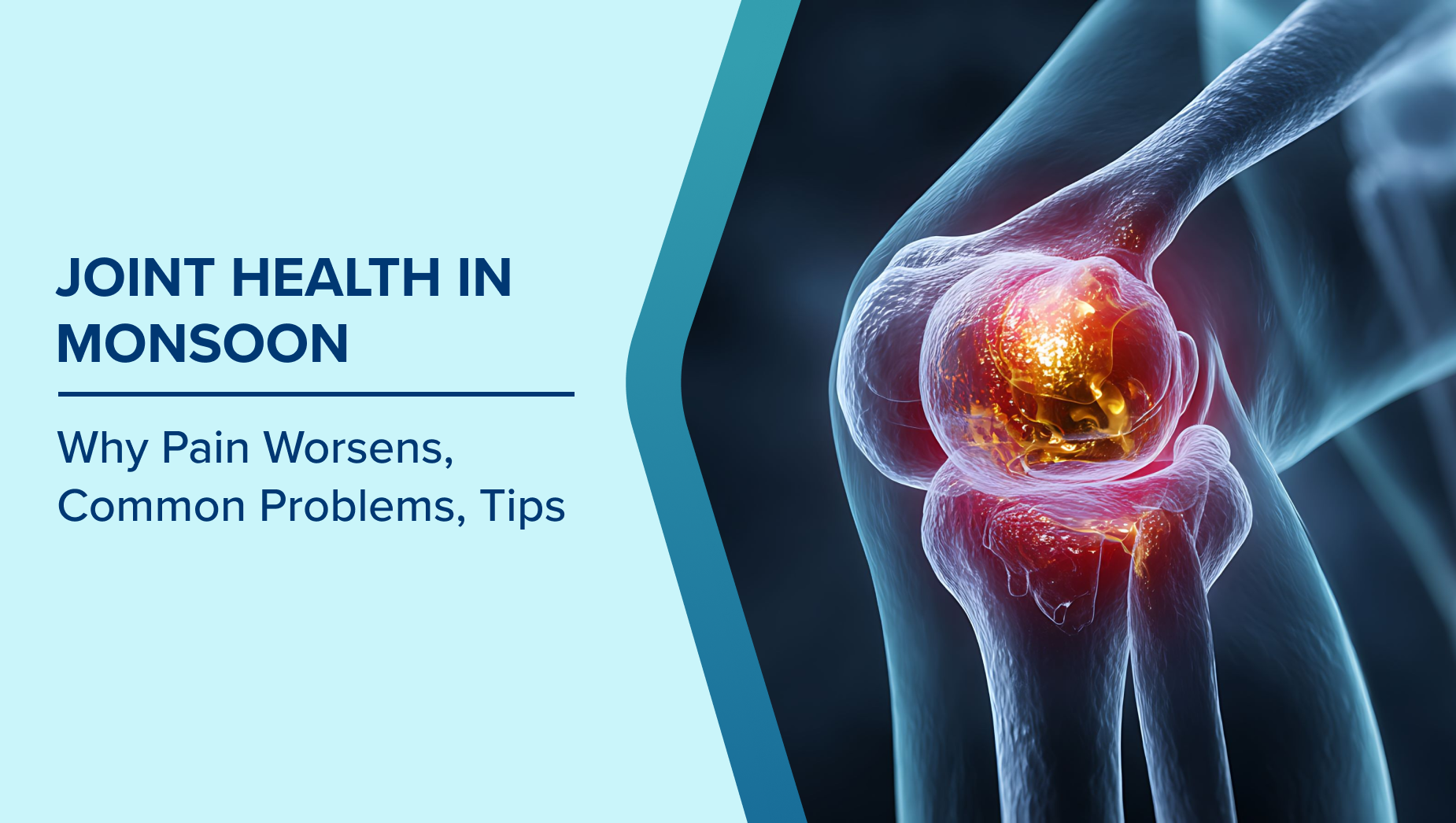
The monsoon season brings refreshing rains and relief from the summer heat, but for many, it also brings an unwelcome companion: joint pain. People living with arthritis, past joint injuries, or age-related stiffness often notice their discomfort intensifying during the rainy season. Even those without a history of joint problems sometimes experience heaviness, stiffness, or reduced mobility.
Understanding how the weather influences your joints and adopting preventive measures can make the monsoon more comfortable.
Why Monsoon Affects Your Joints
Many individuals report that their joints feel more painful or stiff when it rains. Although the exact reason is not fully understood, several factors contribute to this phenomenon:
- Drop in barometric pressure: Lower atmospheric pressure during rain can cause tissues to expand, placing extra pressure on joints and increasing discomfort.
- Temperature fluctuations: Cooler weather can reduce blood circulation to muscles and joints, leading to stiffness.
- High humidity: Dampness aggravates swelling in already inflamed joints, particularly in those with arthritis or gout.
These combined factors explain why joint pain in the monsoon is a common complaint, especially among the elderly.
The Link Between Weather and Joint Pain
The changes in barometric pressure and humidity can influence synovial fluid (the natural lubricant within joints). Thicker fluid due to lower temperatures may reduce smooth joint movement, making them feel stiffer.
In conditions such as osteoarthritis, rheumatoid arthritis, or gout, weather changes can exacerbate inflammation, leading to increased pain and swelling. This explains why arthritis care during the monsoon requires extra attention and preventive strategies.
Common Joint Problems During Monsoon
The rainy season does not cause joint problems directly, but it can intensify existing conditions or trigger discomfort. Some of the most common issues include:
- Arthritis flare-ups: Individuals with osteoarthritis or rheumatoid arthritis often experience increased stiffness, swelling, and pain.
- Gout attacks: High humidity may trigger flare-ups in those with elevated uric acid levels.
- Post-injury stiffness: Old joint or ligament injuries may feel more painful during damp weather.
- General stiffness: Even healthy joints may feel less flexible due to cold, humid air.
Tips to Keep Your Joints Healthy During Monsoon
Fortunately, lifestyle modifications and simple precautions can help you maintain healthy joints in rainy weather.
Keep Yourself Warm and Dry
Moisture worsens stiffness and swelling. Wear warm, dry clothing, avoid prolonged exposure to rain, and use knee or elbow supports if necessary. A warm shower or heating pad can ease discomfort and improve circulation.
Eat an Anti-Inflammatory Diet
Diet plays a vital role in joint health. Include foods rich in omega-3 fatty acids, antioxidants, and spices that have natural anti-inflammatory effects. Reduce processed and high-salt foods, which may increase fluid retention and joint swelling.
Ensure Adequate Vitamin D and Calcium
Reduced sunlight exposure during the monsoon can lower Vitamin D levels, affecting bone strength. Incorporate Vitamin D-rich foods. Calcium from milk, yoghurt, cheese, or plant-based alternatives helps maintain strong bones and reduce fracture risk.
Keep Moving with Gentle Exercises
Avoid prolonged inactivity, which increases stiffness. Low-impact exercises such as walking indoors, yoga, stretching, or swimming (in hygienic conditions) maintain flexibility and improve blood circulation. Physiotherapists recommend range-of-motion exercises to preserve mobility in arthritis patients.
Maintain a Healthy Weight
Excess body weight adds unnecessary pressure on weight-bearing joints like knees and hips. Maintaining an optimal weight can significantly reduce pain and prevent further joint damage.
Home Remedies and Lifestyle Changes for Joint Comfort
Alongside medical care, certain natural remedies provide additional relief during the monsoon:
- Warm compresses: Applying heat pads or warm water bottles to affected joints reduces stiffness.
- Massage with herbal oils: Gentle massage improves blood circulation and muscle relaxation. Certain oils are available to ease the pain and are used in traditional remedies.
- Stay hydrated: Although rainy weather feels less dehydrating, inadequate water intake thickens synovial fluid, reducing joint lubrication. Aim for 6–8 glasses daily.
- Sleep well: Adequate rest helps in tissue repair and reduces inflammation. Establish a consistent sleep schedule.
When to Seek Medical Help
While occasional stiffness during the monsoon may be manageable at home, certain symptoms warrant professional medical consultation:
- Persistent joint pain lasting more than a few weeks
- Swelling that does not subside with rest
- Redness, warmth, or tenderness in joints
- Limited movement affecting daily activities
- Recurrent gout attacks or worsening arthritis symptoms
In such cases, a doctor may recommend diagnostic tests, prescribe medications, or suggest physiotherapy. Early medical intervention prevents long-term damage and maintains mobility.
Conclusion
Joint health during the monsoon requires a proactive approach. Staying warm, eating a balanced diet, exercising safely, and maintaining hydration can prevent stiffness and pain. Those with pre-existing joint conditions must take extra precautions and consult their doctor if symptoms persist.
Healthy joints are essential for an active life, and with consistent care, you can enjoy the monsoon season without discomfort. Prevention and daily management are key to protecting your joints, not only in rainy weather but throughout the year.
Frequently Asked Questions
Can joint supplements help during the monsoon?
Supplements containing glucosamine, chondroitin, and omega-3 fatty acids may support cartilage health and reduce inflammation. However, their effectiveness varies, and they should only be taken after consulting a healthcare professional.
Does footwear make a difference in preventing joint pain during rainy weather?
Yes, wearing cushioned, non-slip footwear reduces strain on weight-bearing joints and prevents accidents on slippery surfaces, which could worsen joint problems.
Can mental stress worsen joint pain during the monsoon?
Stress can increase the release of inflammatory chemicals in the body, potentially worsening arthritis symptoms. Relaxation techniques such as meditation, breathing exercises, and gentle yoga can help manage stress and reduce joint discomfort.
Is swimming in the monsoon safe for people with joint problems?
Swimming is a low-impact exercise beneficial for joints, but during the rainy season, public pools may harbour infections due to poor hygiene. It’s safer to swim only in well-maintained, clean pools or to choose indoor exercises instead.
Does air conditioning affect joint stiffness during the monsoon?
Yes, prolonged exposure to cold air-conditioning can reduce blood circulation and increase stiffness in muscles and joints. Maintaining a moderate temperature and avoiding direct exposure to cold air can help alleviate discomfort.
Can physiotherapy be useful during the monsoon for joint health?
Absolutely, targeted physiotherapy helps maintain mobility, strengthen muscles around the joints, and reduce stiffness. A physiotherapist can also design safe indoor exercises suitable for the monsoon season.
Written and Verified by:

Related Blogs


Dr. Ashish Jain In Orthopaedics & Joint Replacement
Nov 07 , 2020 | 1 min read
Blogs by Doctor
8 Signs and Symptoms of Vitamin D Deficiency
Dr. Ashish Jain In Orthopaedics & Joint Replacement
Nov 07 , 2020 | 1 min read

Can Cracking Knuckles Lead to Arthritis?
Dr. Ashish Jain In Orthopaedics & Joint Replacement
Nov 08 , 2020 | 2 min read
Most read Blogs


Related Blogs
Dr. Ashish Jain In Orthopaedics & Joint Replacement
Nov 07 , 2020 | 1 min read
Blogs by Doctor
8 Signs and Symptoms of Vitamin D Deficiency
Dr. Ashish Jain In Orthopaedics & Joint Replacement
Nov 07 , 2020 | 1 min read
Can Cracking Knuckles Lead to Arthritis?
Dr. Ashish Jain In Orthopaedics & Joint Replacement
Nov 08 , 2020 | 2 min read
Most read Blogs