 WhatsApp Us (24/7)
 +91 926 888 0303 (24/7)


To Book an Appointment
Call Us+91 926 888 0303Hypothyroidism vs Hyperthyroidism: Key Differences, Symptoms, and Treatment Explained
By Dr. Ajay Shukla in Endocrinology & Diabetes
Dec 04 , 2025 | 6 min read

Thyroid problems have become increasingly common, affecting people of all ages. Many individuals experience symptoms like weight changes, tiredness, mood swings, hair loss, or irregular heartbeat without realizing these may be caused by a thyroid imbalance. Two of the most common thyroid disorders are hypothyroidism and hyperthyroidism. Although both involve the same gland, they behave very differently and require different treatments.
Introduction to Thyroid Disorders
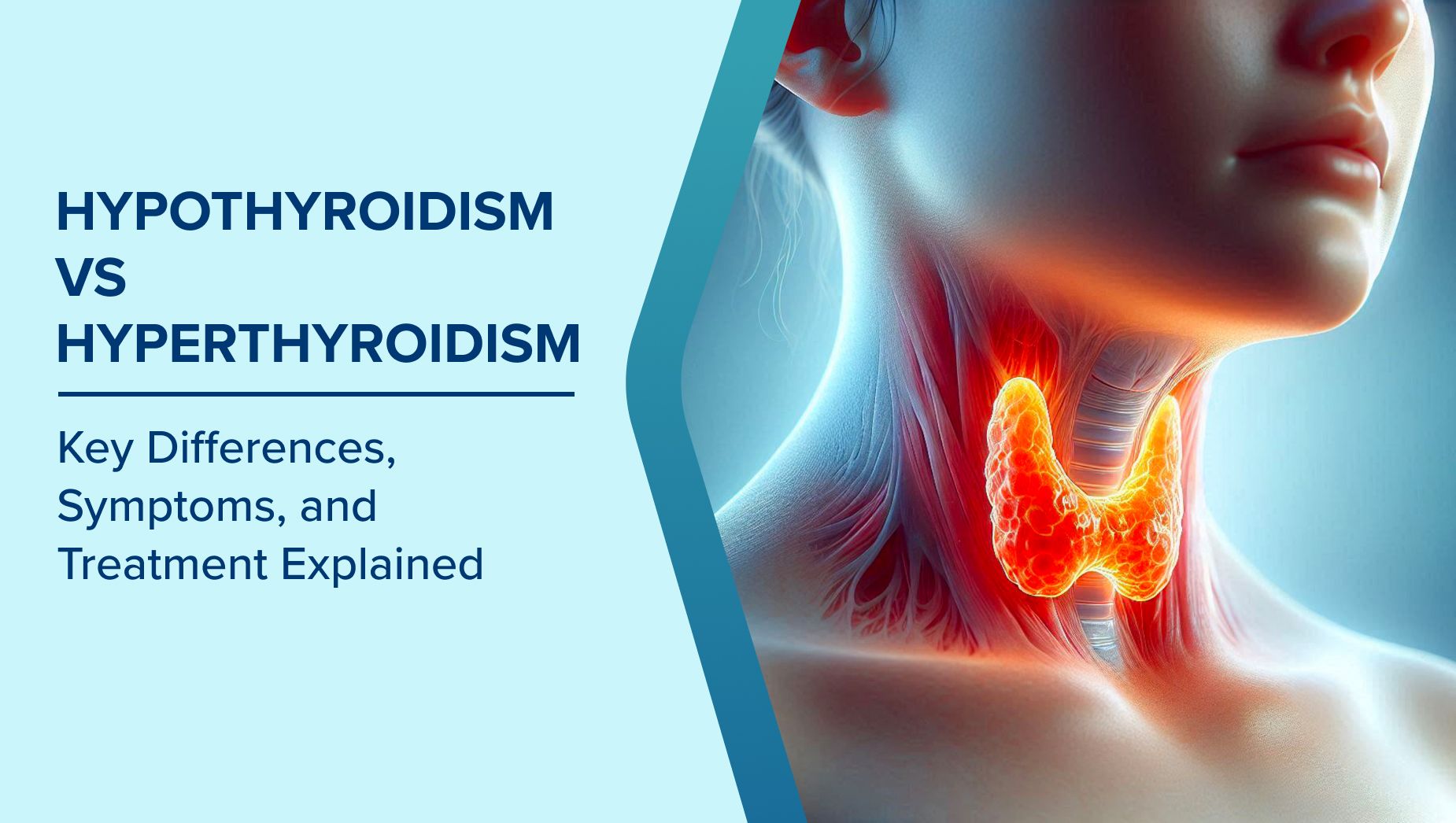
The thyroid is a small butterfly-shaped gland in the lower front part of the neck. Despite its size, it plays a crucial role in regulating how quickly your body uses energy. When the thyroid functions properly, energy levels, metabolism, heart rate, digestion, and mood remain balanced.
Thyroid disorders occur when the gland releases too little or too much hormone. These conditions are extremely common today due to genetic factors, lifestyle changes, nutritional deficiencies, autoimmune conditions, and rising stress levels. Early diagnosis is important because untreated thyroid problems can affect the heart, fertility, mental health, and overall quality of life.
Understanding Thyroid Hormones: T3, T4, and TSH
To understand thyroid diseases, it is important to know how thyroid hormones work:
- T3 (Triiodothyronine): This is the active thyroid hormone that directly controls metabolism, energy production, and many bodily functions.
- T4 (Thyroxine): This is the stored form of thyroid hormone. The body converts T4 into T3 whenever needed.
- TSH (Thyroid Stimulating Hormone): TSH is produced by the pituitary gland and regulates the amount of T3 and T4 that the thyroid releases.
- When thyroid hormones drop, TSH rises.
- When thyroid hormones rise, TSH drops.
TSH levels help doctors identify whether the thyroid is underactive or overactive.
What is Hypothyroidism
Hypothyroidism, also known as low thyroid function, occurs when the thyroid does not produce enough T3 and T4 hormones. This slows down the metabolism, leading to symptoms such as weight gain, fatigue, dry skin, constipation, and feeling unusually cold. Women are more likely to develop hypothyroidism, especially after pregnancy or due to autoimmune conditions.
If untreated, hypothyroidism can affect the heart, fertility, mental health, and cholesterol levels. Treatment usually involves replacing missing hormones with daily medication.
What is Hyperthyroidism
Hyperthyroidism, also known as high thyroid function, occurs when the thyroid gland produces excessive amounts of T3 and T4. This speeds up metabolism excessively. People with hyperthyroidism often experience symptoms like weight loss, rapid heartbeat, anxiety, sweating, excessive hunger, and difficulty sleeping.
It can be caused by autoimmune conditions such as Graves’ disease, thyroid nodules, or inflammation of the thyroid. Without treatment, hyperthyroidism may lead to serious heart rhythm problems, weak bones, and pregnancy complications. Doctors may treat it with medicines, radioactive iodine therapy, or surgery.
Hypothyroidism vs Hyperthyroidism: The Key Differences
Although both conditions affect the same gland, they function in opposite ways. Below is a detailed explanation of how they differ in symptoms, hormone levels, causes, and treatment needs.
Difference in Hormone Levels
Hypothyroidism results from low levels of thyroid hormones. T3 and T4 levels are reduced and the pituitary gland raises TSH to compensate.
Hyperthyroidism results from excessive thyroid hormones. T3 and T4 levels are high and TSH becomes very low because the body tries to stop additional hormone release.
Difference in Metabolism
Low thyroid slows down metabolism. This means the body burns fewer calories, leading to fatigue, weight gain, and slower digestion.
High thyroid speeds up metabolism. This results in rapid weight loss, increased hunger, heat intolerance, and a generally hyperactive system.
Difference in Major Symptoms
Hypothyroidism symptoms include slow heart rate, dry skin, constipation, depressed mood, hair thinning, and puffiness of the face.
Hyperthyroidism symptoms include fast or irregular heartbeat, trembling hands, anxiety, loose stools, sweating, and bulging eyes in some conditions.
Difference in Causes
Hypothyroidism is common in people with Hashimoto’s thyroiditis, iodine deficiency, thyroid surgery, or certain medications.
Hyperthyroidism usually occurs due to Graves’ disease, thyroid nodules, thyroiditis, or excessive iodine intake.
Difference in Treatment Approach
Hypothyroidism is treated by giving the body hormone replacement in the form of levothyroxine.
Hyperthyroidism needs treatments that reduce hormone production. Options include antithyroid medicines, radioactive iodine, or thyroid surgery in some cases.
Difference in Long-Term Effects
When untreated, hypothyroidism can cause heart disease, infertility, and severe fatigue.
Untreated hyperthyroidism can lead to heart rhythm disorders, bone loss, and thyroid storm, which is a medical emergency.
Causes and Risk Factors of Thyroid Imbalance
Several factors increase the risk of both hypothyroidism and hyperthyroidism. These include:
- Autoimmune diseases: Hashimoto’s disease often causes hypothyroidism, while Graves’ disease leads to hyperthyroidism.
- Family history: A strong genetic link increases the likelihood of thyroid disorders.
- Iodine intake: Excessive or insufficient iodine intake can disrupt thyroid function.
- Pregnancy and childbirth: Hormonal changes during this period can trigger thyroid problems.
- Stress and lifestyle factors: Chronic stress may influence thyroid function over time.
- Certain medications: Drugs used to treat mental health conditions, heart issues, or cancer may affect thyroid hormones.
- Age and gender: Women over 40 years of age have a higher risk.
How Doctors Diagnose Hypothyroidism and Hyperthyroidism
Doctors use a combination of blood tests, physical examination, and imaging studies to diagnose thyroid conditions. Common diagnostic tests include:
- TSH test: The most important test to determine thyroid activity.
- T3 and T4 levels: Shows whether hormone production is low or high.
- Thyroid antibody tests: Help detect autoimmune thyroid disease.
- Ultrasound: Identifies nodules or inflammation.
- Radioactive iodine uptake test: Used mainly for hyperthyroidism to check how much iodine the thyroid absorbs.
Treatment Options for Hypothyroidism and Hyperthyroidism
Hypothyroidism Treatment
The main treatment is thyroid hormone replacement therapy. Doctors adjust the dose based on regular TSH levels. Treatment is simple and effective when monitored properly.
Hyperthyroidism Treatment
Hyperthyroidism may require a combination of treatments:
- Antithyroid medicines: Reduce hormone production.
- Radioactive iodine therapy: Shrinks the thyroid over time.
- Beta blockers: Help control symptoms like a rapid heartbeat.
- Surgery: Recommended when other treatments fail or nodules are present.
Each treatment is selected based on the patient’s overall health, age, and the severity of their condition.
Diet and Lifestyle Tips for a Healthy Thyroid
Healthy habits support thyroid function and improve treatment results.
- Include iodine-rich foods, such as dairy products, eggs, and seafood, in moderation.
- Eat selenium-rich foods, such as nuts, seeds, and whole grains, to support thyroid hormone conversion.
- Choose balanced meals with protein, healthy fats, and whole grains.
- Limit highly processed foods that may trigger inflammation.
- Exercise regularly to improve metabolism and maintain a healthy weight.
- Get enough sleep to regulate hormones.
- Manage stress with yoga, meditation, or simple breathing practices.
When to See a Doctor Immediately
Seek medical attention without delay if you experience:
- Very fast or irregular heartbeat
- Sudden severe tiredness
- Unexplained weight changes
- Shortness of breath
- Swelling in the neck or difficulty swallowing
- Severe mood changes or anxiety
- Vision changes or eye bulging in hyperthyroidism
- Symptoms after thyroid medication that feel unusual or unsafe
Conclusion
Hypothyroidism and hyperthyroidism may seem similar because they affect the same gland, but their effects on the body are completely opposite. Understanding the differences helps you recognise early symptoms, protect your health, and start the right treatment on time. With correct diagnosis, proper medication, and consistent follow-up, most people lead a healthy and normal life with thyroid disorders.
Frequently Asked Questions
Can thyroid disorders affect fertility in men and women?
Yes, both low thyroid and high thyroid can interfere with ovulation, sperm production, and sexual hormone balance. Treating the thyroid problem often improves fertility in most individuals.
Is it possible to switch from hyperthyroidism to hypothyroidism during treatment?
Yes, some treatments used for hyperthyroidism may reduce thyroid activity too much. This can cause a shift to hypothyroidism, which is then managed with hormone replacement under medical supervision.
Do thyroid problems cause hair loss and will the hair grow back after treatment?
Both conditions can cause hair thinning because thyroid hormones play a role in hair growth. Most people experience regrowth once hormone levels return to normal, although it may take a few months.
Can you manage a mild thyroid imbalance without medication?
Some mild cases caused by temporary inflammation may improve on their own, but most thyroid disorders require medical treatment. Diet and lifestyle changes can support thyroid health, but should not replace medicines.
Are thyroid disorders linked to anxiety and panic attacks?
Yes, high thyroid often causes anxiety, restlessness, and panic-like symptoms. Low thyroid can also affect mood and lead to depression. Balancing thyroid hormones usually helps improve emotional well-being.
Can children and teenagers get thyroid problems?
Yes, thyroid disorders can appear at any age. In children, it can affect growth, energy, learning, and the onset of puberty. Early diagnosis ensures healthy development.
Does coffee or caffeine interfere with thyroid medicines?
Coffee can reduce the absorption of thyroid medication if taken too close to the dose. Doctors usually advise taking thyroid medicine with water on an empty stomach and waiting at least 30 minutes before drinking coffee.
Written and Verified by:

Related Blogs

Dr. Vaishakhi Rustagi In Endocrinology & Diabetes , Paediatric (Ped) Endocrinology , Nutrition And Dietetics
Nov 08 , 2020 | 1 min read

Dr. Vaishakhi Rustagi In Endocrinology & Diabetes , Paediatric (Ped) Endocrinology
Nov 08 , 2020 | 2 min read
Blogs by Doctor

Hyperthyroidism: Causes, Symptoms, and Treatment Options
Dr. Ajay Shukla In Endocrinology & Diabetes
Nov 25 , 2024 | 8 min read
Most read Blogs


Related Blogs
Dr. Vaishakhi Rustagi In Endocrinology & Diabetes , Paediatric (Ped) Endocrinology , Nutrition And Dietetics
Nov 08 , 2020 | 1 min read
Dr. Vaishakhi Rustagi In Endocrinology & Diabetes , Paediatric (Ped) Endocrinology
Nov 08 , 2020 | 2 min read
Blogs by Doctor
Hyperthyroidism: Causes, Symptoms, and Treatment Options
Dr. Ajay Shukla In Endocrinology & Diabetes
Nov 25 , 2024 | 8 min read
Most read Blogs