 WhatsApp Us (24/7)
 +91 926 888 0303 (24/7)


To Book an Appointment
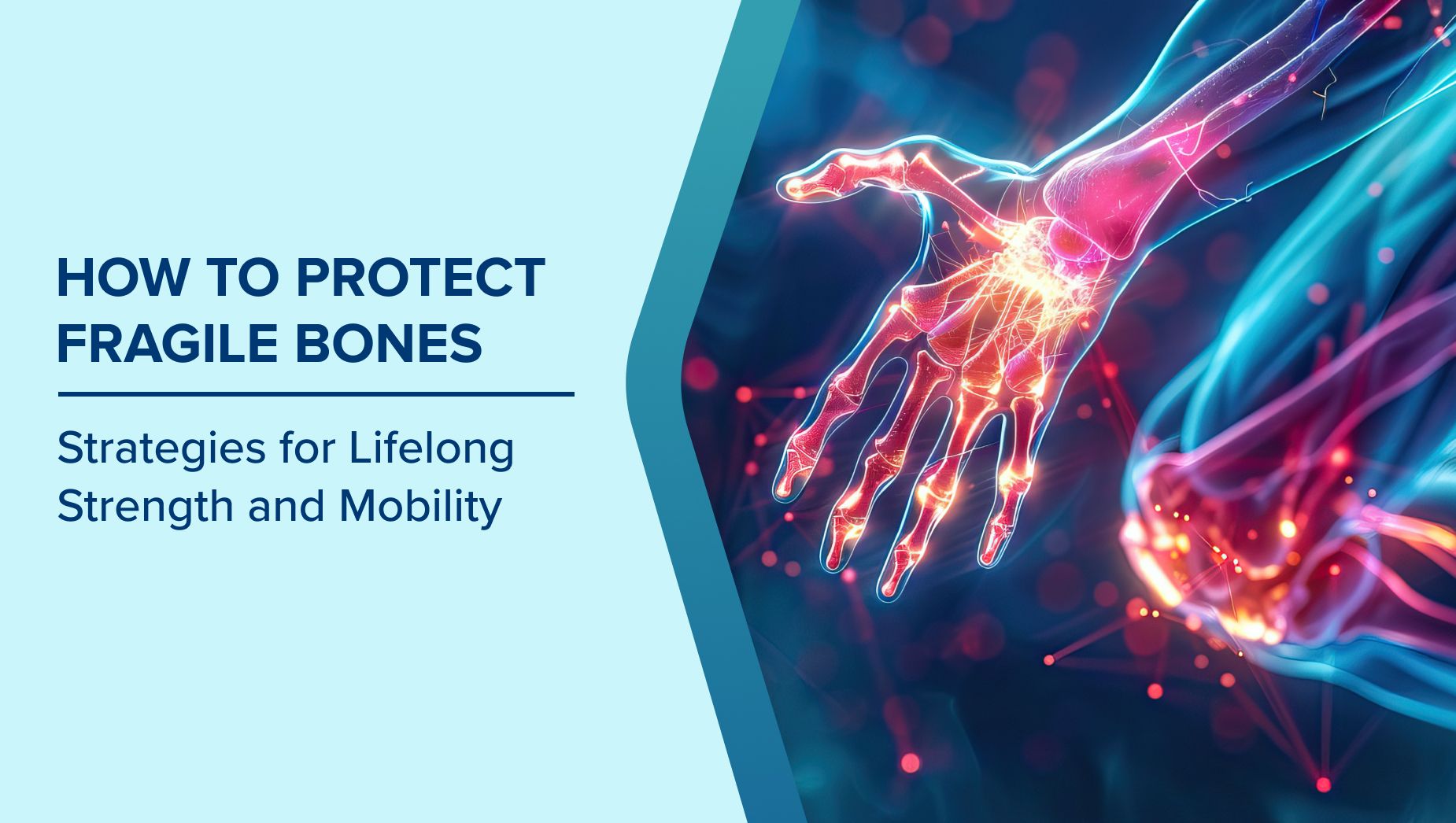
Call Us+91 926 888 0303How to Protect Fragile Bones: Strategies for Lifelong Strength and Mobility
By Dr. Shivraj Surendra Suryawanshi in Orthopaedics & Joint Replacement
Oct 23 , 2025 | 5 min read

Bones provide structure, support, and protection for the body. Fragile bones can increase the risk of fractures, limit mobility, and affect quality of life. Many factors, including age, genetics, medical conditions, and lifestyle choices, influence bone strength. Learning how to protect fragile bones through proper diet, exercise, and preventive care is essential for maintaining bone health throughout life.
Understanding Fragile Bones
Fragile bones occur when bone density is low or bone quality is weakened. This can happen due to osteoporosis, osteopenia, or other medical conditions that reduce bone strength. Low bone density makes bones more prone to fractures, particularly in the spine, hip, and wrist.
Key factors contributing to fragile bones include:
- Ageing and hormonal changes
- Nutritional deficiencies (calcium, vitamin D, protein)
- Sedentary lifestyle and lack of exercise
- Chronic medical conditions and certain medications
- Family history of osteoporosis
Understanding these factors is the first step in protecting bones and preventing fractures.
How Bones Work and Why They Weaken
Bones are living tissues that continuously remodel, breaking down old tissue and forming new tissue. Peak bone mass is usually reached in early adulthood. After that, bone breakdown can outpace formation, leading to weaker bones.
Important aspects of bone health:
- Calcium: A key mineral for bone strength.
- Vitamin D: Helps the body absorb calcium effectively.
- Protein: Supports bone structure and repair.
- Weight-bearing activity: Stimulates bone growth and density.
Without proper nutrition, exercise, and preventive care, bones gradually lose density and strength, making them fragile over time.
Diet for Strong Bones
A balanced diet is essential for keeping bones strong and healthy. Consuming a diet rich in key nutrients helps strengthen bones and reduces the risk of fractures.
Key Nutrients
- Calcium: Found in dairy products, fortified plant-based milk, leafy greens, almonds, and tofu.
- Vitamin D: Sourced from sunlight, fortified foods, fatty fish, and supplements if needed.
- Protein: Lean meats, eggs, legumes, nuts, and dairy support bone structure.
- Magnesium and Potassium: Present in bananas, nuts, seeds, beans, and whole grains; aid in bone density.
- Vitamin K: Found in kale, spinach, broccoli; supports bone mineralisation.
Foods to Include
- Leafy greens like spinach, kale, and collard greens
- Dairy products such as milk, yoghurt, and cheese
- Fatty fish like salmon, mackerel, and sardines
- Nuts and seeds, including almonds and chia seeds
- Fortified plant-based milk and cereals
Foods to Limit
- Excessive salt, which can increase calcium loss
- Sugary drinks and processed foods that may reduce bone density
- Alcohol in high amounts, which can weaken bones over time
Lifestyle Changes for Bone Health
Exercise for Strong Bones
Physical activity is important for maintaining bone density and overall strength. Weight-bearing and resistance exercises are particularly beneficial.
Recommended activities include:
- Walking, jogging, or running
- Climbing stairs
- Dancing or aerobics
- Resistance training with weights or resistance bands
- Yoga and balance exercises to prevent falls
Avoid high-risk activities if bones are extremely fragile, and consult a healthcare provider before starting a new exercise routine.
Weight Management
Maintaining a healthy weight helps lessen the strain on your bones and joints. Both underweight and overweight individuals may have higher fracture risks, making balanced nutrition and regular exercise essential.
Preventing Falls
Falls are a major cause of fractures in people with fragile bones. Take precautions such as:
- Using non-slip mats and rugs
- Ensuring adequate lighting at home
- Wearing supportive footwear
- Installing handrails in bathrooms and stairways
Monitoring Bone Health
Regular check-ups can help track bone health and identify risks early.
Common assessments include:
- Bone density tests (DEXA scans): Measure bone strength
- Blood tests: Check calcium, vitamin D, and other minerals
- Medical review: Discuss medications that may affect bone health
Early detection of low bone density allows timely interventions to strengthen bones and prevent fractures.
Preventive Measures
Lifestyle Guidelines
- Eat a balanced diet with essential nutrients
- Engage in regular weight-bearing and resistance exercises
- Avoid smoking and limit alcohol consumption
- Maintain a healthy body weight
- Practice fall-prevention strategies
Supplements
For individuals who cannot meet their nutritional needs through diet alone, supplements may help. Common options include:
- Calcium
- Vitamin D
- Multivitamins containing magnesium and vitamin K
Consult a healthcare provider before starting supplements to determine the correct dosage.
Common Myths About Fragile Bones
- Myth 1: Only older adults need to worry about bones
Bone health matters at all ages. Peak bone mass develops in childhood and early adulthood, so good habits early on protect bones later in life.
- Myth 2: Exercise can damage fragile bones
Appropriate weight-bearing and resistance exercises improve bone strength. High-risk or high-impact exercises should be avoided if bones are extremely weak.
- Myth 3: Dairy is the only source of calcium
Many plant-based foods, nuts, seeds, and fortified products also provide calcium.
Key Warning Signs of Fragile Bones
Pay attention to the following indicators:
- Frequent fractures or breaks from minor injuries
- Loss of height over time
- Back pain or spinal curvature
- Weak or brittle nails
- Persistent joint pain
If any of these signs appear, consult a doctor for evaluation and preventive care.
Integrating Bone Health Into Daily Life
Daily Routine Tips
- Include calcium and vitamin D-rich foods in every meal
- Engage in at least 30 minutes of weight-bearing activity daily
- Stay hydrated to support joint and bone function
- Limit smoking and alcohol intake
- Perform balance exercises to reduce fall risk
Family and Community Support
Encourage bone-healthy habits within families and communities. Group activities, cooking nutritious meals, and regular check-ups can help sustain bone strength over time.
Conclusion
Fragile bones can increase the risk of fractures and affect overall mobility, but simple lifestyle and dietary strategies can significantly improve bone health. Prioritising a balanced diet, regular exercise, preventive care, and fall protection supports lifelong bone strength. By integrating these habits early and maintaining them consistently, individuals can enjoy stronger bones and a better quality of life as they age.
Frequently Asked Questions
Can fragile bones be strengthened at any age?
Yes, while bone density peaks in early adulthood, proper nutrition, exercise, and lifestyle changes can improve bone strength at any age.
How much calcium do adults need daily for bone health?
Adults generally need 1000–1200 mg of calcium per day, depending on age and gender. Consult a healthcare provider for personalised advice.
Are supplements enough to protect bones?
Supplements can help if dietary intake is insufficient, but they are most effective when combined with exercise, a balanced diet, and healthy lifestyle habits.
How often should bone density be checked?
For most adults at risk of osteoporosis or bone loss, a bone density test every 1–2 years is recommended. Frequency depends on individual risk factors.
Can fragile bones be prevented in children and teenagers?
Yes, encouraging regular physical activity, balanced nutrition, and adequate vitamin D and calcium intake during growth years can strengthen bones and reduce future risks.
Written and Verified by:

Related Blogs


Dr. Ashish Jain In Orthopaedics & Joint Replacement
Nov 07 , 2020 | 1 min read
Blogs by Doctor
All About Stress Fractures: Causes, Symptoms and Treatment
Dr. Shivraj Surendra Suryawanshi In Orthopaedics & Joint Replacement
Jul 15 , 2025 | 10 min read
Most read Blogs


Related Blogs
Dr. Ashish Jain In Orthopaedics & Joint Replacement
Nov 07 , 2020 | 1 min read
Blogs by Doctor
All About Stress Fractures: Causes, Symptoms and Treatment
Dr. Shivraj Surendra Suryawanshi In Orthopaedics & Joint Replacement
Jul 15 , 2025 | 10 min read
Most read Blogs