 WhatsApp Us (24/7)
 +91 926 888 0303 (24/7)


To Book an Appointment
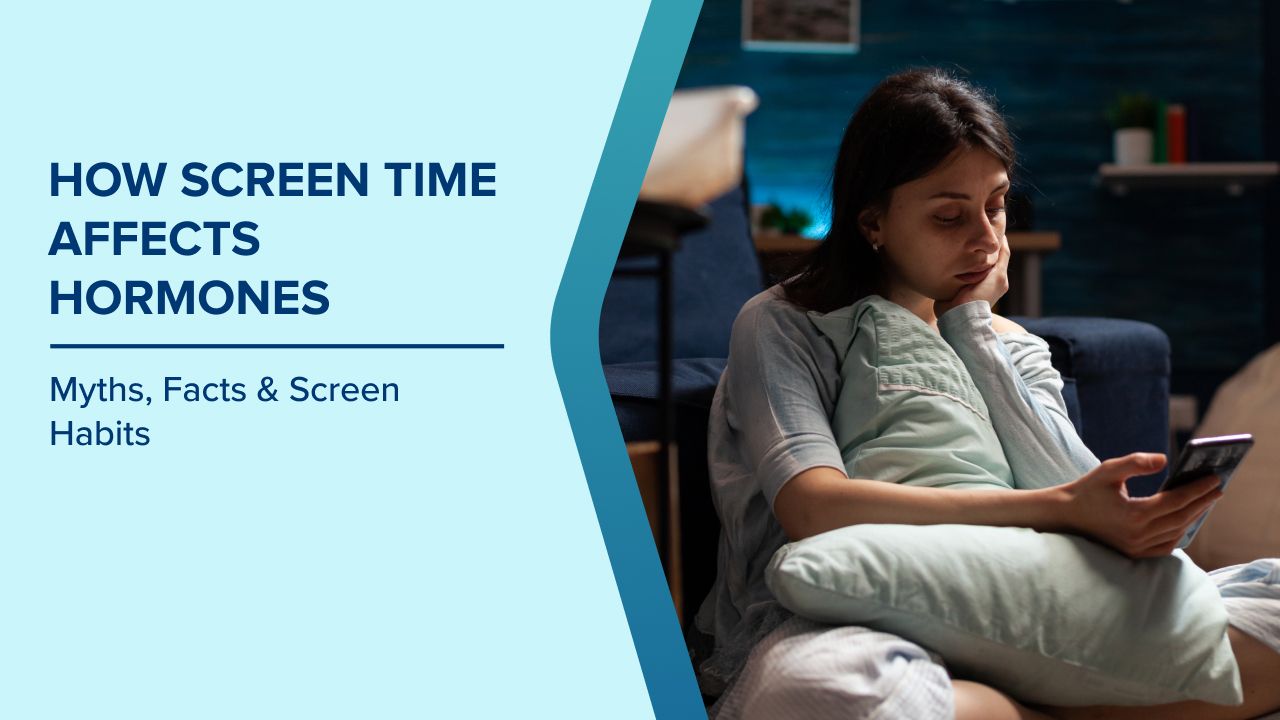
Call Us+91 926 888 0303How Screen Time Affects Hormones: Myths, Facts & Screen Habits
By Dr. Ritu Garg in Obstetrics And Gynaecology
Mar 23 , 2026

Digital devices have become a major part of daily life. From smartphones and laptops to televisions and tablets, screens influence how people work, communicate, and relax. As screen use continues to increase, questions about its possible effects on health have also become more common.
One area that often raises curiosity is the connection between screen time and hormones. Some believe that excessive screen exposure may disturb the body’s hormonal balance, while others see the concern as overstated.
Understanding Hormones and the Body’s Natural Rhythm
Hormones are chemical messengers that travel through the bloodstream and help regulate many important functions in the body. These include metabolism, mood, sleep patterns, energy levels, and reproductive health. Hormones work together in a coordinated system, often responding to signals from the brain and changes in daily activity.
The human body follows a natural rhythm that guides when people feel alert, hungry, or ready to sleep. This rhythm is influenced by several factors such as light exposure, physical activity, meal timing, and rest patterns. When daily routines remain balanced, hormonal signals tend to function smoothly.
However, modern lifestyles sometimes interfere with these natural cycles. Irregular sleep schedules, stress, and long hours spent indoors can gradually influence how the body regulates certain hormones.
Why Screen Time Is Often Blamed for Hormonal Problems
In recent years, digital technology has become an easy target when people discuss health concerns. Since screens are present in many aspects of daily life, it is common to assume they are directly responsible for various physical changes.
Several reasons contribute to this belief.
Widespread digital use
People spend more time on digital devices than ever before, making it natural to question their effects.
Increased online health discussions
Social media platforms often highlight health claims without always providing balanced explanations.
Confusion between lifestyle habits and direct effects
Sometimes the problem is not the screen itself but the habits that develop around screen use.
Because of these factors, screen exposure is frequently associated with hormonal disruption even when the relationship is more complex.
Read more: Decoding Hormonal Imbalance: Signs, Causes, Treatment and Prevention
Myth vs Reality: Does Screen Time Directly Disrupt Hormones?
A common myth suggests that simply looking at screens can directly disturb hormone levels in the body. In reality, the connection is not always that straightforward.
Screens themselves do not produce substances that directly alter hormones. Instead, they influence certain environmental factors that interact with the body’s natural rhythm.
For example, digital devices emit light that can affect the body’s internal clock when used late in the evening. This effect is related to how the brain interprets light signals and adjusts sleep timing.
It is important to recognise that hormonal balance is influenced by many lifestyle elements working together. Screen exposure is only one small part of a larger picture that includes sleep patterns, daily routines, physical activity, and stress levels.
How Digital Habits Can Indirectly Influence Hormonal Health
Although screens may not directly disrupt hormone levels, certain habits associated with digital use can influence overall health patterns.
These indirect effects are often the real concern.
Irregular sleep schedules
Late-night scrolling or watching videos can delay bedtime, which may interfere with the body’s natural sleep rhythm.
Reduced physical movement
Spending many hours sitting with digital devices may limit opportunities for physical activity during the day.
Mental overload
Constant notifications, messages, and online interactions may increase feelings of mental fatigue.
Disrupted daily routines
Frequent screen engagement can sometimes replace activities such as outdoor movement or relaxation.
When these habits become routine, they may gradually influence the body’s internal rhythm, which is closely connected with hormonal balance.
Screen Exposure and Sleep Patterns
Sleep plays a significant role in maintaining hormonal stability. Several hormones follow patterns that rise or fall throughout the day depending on the body’s sleep cycle.
Evening exposure to bright screens may influence how quickly the body prepares for sleep. This happens because light signals reaching the brain can make the body feel more alert than it normally would at night.
Common bedtime habits such as checking messages, watching shows, or browsing social media may unintentionally delay sleep.
When sleep patterns become inconsistent, the body may take longer to maintain its natural rhythm. Over time, this can affect how certain hormones follow their usual daily cycles.
Maintaining a predictable sleep routine is therefore an important part of supporting overall hormonal wellbeing.
Modern Lifestyle and Hormonal Balance
Screen time is only one aspect of a broader lifestyle environment. Hormonal balance is influenced by many daily behaviours that interact with one another.
Several lifestyle factors help maintain a stable internal rhythm.
- Consistent sleep and wake schedules
- Balanced nutrition throughout the day
- Regular physical movement
- Stress management
- Time spent outdoors in natural light
When these factors remain balanced, the body is more likely to maintain stable hormonal patterns.
Digital technology becomes problematic mainly when it disrupts these routines rather than because of the screen itself.
Read more: Hormonal Changes and Their Effects on Urological Health
Practical Ways to Maintain Healthy Screen Habits
Technology is an essential part of modern life, so completely avoiding screens is unrealistic. The goal is to build habits that allow people to use digital devices without affecting daily well-being.
Some practical strategies include:
Create clear digital boundaries
Setting specific times for device use can prevent excessive screen exposure throughout the day.
Limit screens close to bedtime
Reducing device use in the hour before sleep may help the body transition into rest more naturally.
Take regular movement breaks
Short breaks from screens during work or study hours encourage physical activity and improve focus.
Adjust screen brightness
Lowering brightness in the evening can reduce unnecessary visual stimulation.
Balance online and offline activities
Spending time outdoors or engaging in non-digital hobbies helps maintain a healthier daily rhythm.
These simple adjustments support healthier digital habits while allowing people to remain connected and productive.
Conclusion
Concerns about screen time and hormone disruption are common in the digital age. However, the relationship between screens and hormonal health is often misunderstood. Screens themselves do not directly alter hormone levels, but certain digital habits can influence daily routines that support hormonal balance.
Sleep quality, physical activity, stress levels, and lifestyle patterns all play important roles in maintaining the body’s natural rhythm. When screen use interferes with these routines, it may indirectly affect overall well-being.
By adopting healthier digital habits and maintaining balanced daily routines, individuals can continue to benefit from modern technology while supporting their long-term health.
Frequently Asked Questions
1. Can screen time affect appetite-related hormones?
Changes in daily routines linked to prolonged screen use may sometimes influence eating patterns, which can indirectly affect how the body signals hunger and fullness.
2. Does working night shifts with screens influence hormonal rhythm?
Night shift work can alter the body’s internal clock because it changes normal sleep and activity patterns. Screen exposure may play a smaller role compared to the overall schedule change.
3. Can reducing screen time improve daytime energy levels?
Limiting unnecessary digital distractions may help individuals maintain more consistent daily routines, which can support better energy levels during the day.
4. Is screen exposure different from other forms of artificial lighting?
Screens emit light that is closer to the eyes than most room lighting. This proximity can make the brain more responsive to visual stimulation.
5. Can digital detox routines support hormonal wellbeing?
Taking short breaks from screens during weekends or holidays can help people reconnect with natural daily rhythms and encourage healthier lifestyle habits.
Written and Verified by:

Related Blogs

Dr. Manju Khemani In Obstetrics And Gynaecology
Oct 27 , 2020 | 3 min read

Dr. Neera Aggarwal In Obstetrics And Gynaecology , Nutrition And Dietetics
Nov 07 , 2020 | 7 min read
Most read Blogs

Related Blogs
Dr. Manju Khemani In Obstetrics And Gynaecology
Oct 27 , 2020 | 3 min read
Dr. Neera Aggarwal In Obstetrics And Gynaecology , Nutrition And Dietetics
Nov 07 , 2020 | 7 min read
Most read Blogs