 WhatsApp Us (24/7)
 +91 926 888 0303 (24/7)


To Book an Appointment
Call Us+91 926 888 0303Xerostomia (Dry Mouth): Understanding the Causes, Symptoms, and Treatment
By Dr Hari Kumar Yadav in Internal Medicine
Jun 15 , 2026 | 1 min read
1

Xerostomia or dry mouth can be more than just an annoying inconvenience, making speaking, eating, and swallowing uncomfortable, and even affecting how food tastes. While it may be caused by something simple like dehydration, it can also signal a more serious medical issue that requires attention. Understanding the exact cause is crucial to getting the right treatment and avoiding complications. This blog explains the possible causes, key symptoms, complications, and management strategies, providing a clear guide to dealing with xerostomia effectively and improving everyday comfort.
What is Xerostomia?
Xerostomia, commonly called dry mouth, occurs when the salivary glands do not produce enough saliva to keep the mouth comfortably moist. Saliva plays a vital role in digestion, oral hygiene, and protecting the teeth and gums from bacteria. When saliva production drops, it can lead to discomfort, difficulty speaking, chewing, or swallowing, and an increased risk of dental problems. Xerostomia can be temporary, caused by factors such as dehydration or stress, or chronic, resulting from medical conditions, medications, or aging.
What Causes Xerostomia?
Xerostomia can result from several different factors. The main causes include:
Medications
Many prescription and over-the-counter medications can reduce saliva production. Common examples include antihistamines, decongestants, antidepressants, high blood pressure medicines, and certain painkillers. If dry mouth begins after starting a new medication, it is worth discussing with a healthcare professional, who may adjust the dosage or suggest alternatives.
Medical Conditions
Some health conditions can directly impact the salivary glands or overall fluid balance, leading to chronic dry mouth. Conditions such as diabetes, Sjögren’s syndrome, rheumatoid arthritis, Parkinson’s disease, and Alzheimer’s disease are known contributors. Addressing the underlying medical condition often helps improve symptoms.
Lifestyle Factors
Lifestyle habits can play a significant role in causing dry mouth. Smoking or using tobacco products can reduce saliva flow, and excessive alcohol consumption can dry out oral tissues. Caffeine in coffee, tea, or energy drinks can also contribute to dryness. Staying hydrated and moderating these habits can help manage mild xerostomia.
Aging
Saliva production naturally decreases with age. Older adults may notice a drier mouth, especially if they take multiple medications or have chronic health conditions. Regular dental check-ups and good oral hygiene are essential for older adults to prevent complications.
Radiation or Chemotherapy
Radiation therapy for head and neck cancers can damage salivary glands, leading to reduced saliva production. Chemotherapy can also alter saliva consistency and quantity, resulting in temporary or long-lasting dry mouth. Special care and targeted treatments can help alleviate symptoms for patients undergoing these therapies.
What are the Symptoms of Xerostomia
Xerostomia, or dry mouth, can cause a variety of symptoms that range from mild discomfort to more serious issues. Recognising these early can help in seeking proper care. Common symptoms include:
- Persistent dry or sticky mouth: A constant feeling of dryness or stickiness in the mouth, noticeable during the day or at night, making speaking, eating, or swallowing uncomfortable.
- Difficulty swallowing or speaking: Reduced saliva can make it hard to swallow food or liquids and can make speaking uncomfortable.
- Changes in taste: Food may taste bland, salty, or different than usual. Some may also experience a burning sensation in the mouth or on the tongue.
- Cracked lips and mouth sores: Dry mouth can lead to chapped lips, cracked corners of the mouth, or painful sores in the oral cavity.
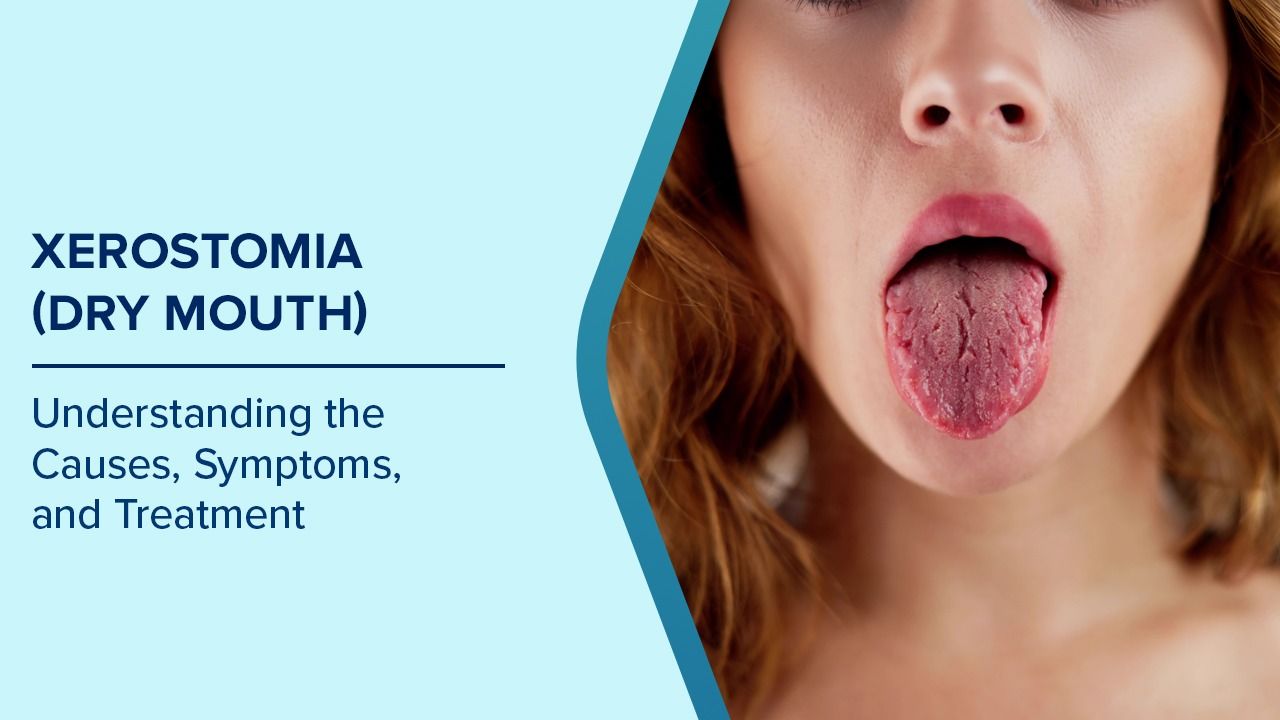
- Cracked or fissured tongue: Persistent dryness can cause grooves or cracks on the tongue’s surface, sometimes accompanied by burning or soreness and an increased risk of irritation or infection.
- Increased risk of dental problems: Saliva protects teeth and gums from bacteria. Less saliva can cause cavities, gum disease, and bad breath.
- Difficulty wearing dentures: Dry mouth can make dentures feel loose or uncomfortable, causing gum irritation and affecting stability.
How Can Xerostomia be Treated or Managed?
Managing xerostomia involves relieving symptoms, protecting oral health, and addressing any underlying causes. Several approaches can help reduce discomfort and prevent complications:
1. Saliva Substitutes and Moisturisers
Artificial saliva products such as sprays, gels, lozenges, and mouthwashes can help keep the mouth moist when natural saliva is insufficient. These products are especially useful at night or during activities like speaking or eating. Alcohol-free options are preferred, as alcohol can further dry out oral tissues. Regular use can improve comfort and reduce the risk of sores, burning sensations, or difficulty swallowing.
2. Medication Adjustments
Certain prescription or over-the-counter medications can contribute to dry mouth. A doctor may review these medications and adjust the dosage or suggest alternatives that are less likely to cause xerostomia. It is important not to make changes independently, as some medications are essential for managing other health conditions. Proper adjustment under medical supervision can significantly improve saliva flow and reduce symptoms.
3. Treating Underlying Medical Conditions
Persistent dry mouth may be caused by health conditions such as diabetes, Sjögren’s syndrome, or autoimmune disorders that affect the salivary glands. Treating or managing these conditions can improve saliva production and overall oral comfort. Regular monitoring and coordination with a healthcare provider can prevent worsening of symptoms and associated oral complications.
4. Prescription Medications to Stimulate Saliva
For chronic or severe xerostomia, doctors may prescribe medications that stimulate saliva production. These medications can improve moisture in the mouth, making it easier to eat, speak, and maintain oral hygiene. They are typically recommended when other measures, like saliva substitutes, do not provide sufficient relief.
5. Good Oral Hygiene Practices
Saliva helps protect teeth and gums from bacteria, so reduced saliva increases the risk of cavities, gum disease, and oral infections. Maintaining good oral hygiene is essential for managing xerostomia. This includes brushing teeth twice a day with fluoride toothpaste, flossing daily, using alcohol-free mouthwash, and scheduling regular dental check-ups to catch problems early. Proper oral care can reduce complications and make daily life more comfortable.
What Home Care Tips Can Reduce Discomfort?
Managing xerostomia at home can help relieve symptoms, protect oral health, and make daily activities like speaking and eating more comfortable. Some practical tips include:
- Use Saliva Substitutes or Oral Moisturisers: Artificial saliva sprays, gels, or lozenges can help keep the mouth moist, especially during meals or at night. Alcohol-free products are preferred to avoid further dryness.
- Rinse with Mild, Alcohol-Free Mouthwash: Gentle mouth rinses can soothe the mouth, reduce bacteria, and prevent infections without worsening dryness.
- Keep Lips and Mouth Hydrated: Applying lip balm regularly can prevent chapped lips, and gentle oral moisturisers can reduce soreness inside the mouth.
- Maintain Excellent Oral Hygiene: Brush teeth twice daily with fluoride toothpaste, floss regularly, and clean dentures carefully if applicable. This helps prevent cavities, gum disease, and oral infections.
- Chew Sugar-Free Gum or Suck on Sugar-Free Lozenges: This can stimulate saliva production naturally, improving moisture and comfort.
- Use a Soft-Bristled Toothbrush: A soft toothbrush reduces irritation on dry gums and helps prevent mouth sores.
- Use Humidifier While Sleeping: Using a humidifier in the bedroom can keep air moist, reducing overnight dryness and discomfort.
- Monitor for Signs of Infection: Watch for sores, cracks, or burning sensations in the mouth and consult a dentist promptly if these occur.
What Complications Can Arise from Untreated Dry Mouth?
If xerostomia is left untreated, it can lead to several complications that affect oral health and overall comfort. Common issues include:
- Increased Risk of Tooth Decay: Saliva helps neutralise acids and wash away food particles. Without enough saliva, teeth are more prone to cavities and enamel erosion.
- Gum Disease (Gingivitis and Periodontitis): Reduced saliva allows bacteria to build up along the gumline, increasing the risk of inflammation and infection.
- Oral Infections: A dry mouth creates an environment where fungi and bacteria can thrive, leading to infections like oral thrush.
- Mouth Sores and Cracked Tissues: Persistent dryness can cause painful sores, cracked lips, or a fissured tongue, making eating and speaking uncomfortable.
- Difficulty Wearing Dentures: Dryness can cause dentures to fit poorly, leading to irritation, soreness, and reduced stability.
- Changes in Taste and Eating Difficulties: Reduced saliva affects taste perception and makes chewing and swallowing harder, potentially impacting nutrition.
- Bad Breath (Halitosis): A lack of saliva allows bacteria to grow unchecked, often resulting in persistent bad breath.
Consult Today
Living with a dry mouth can be frustrating and affect your daily comfort more than you might expect, so it’s important not to ignore the signs. If you notice persistent dryness, difficulty swallowing, or changes in taste, it’s a good idea to reach out and get checked rather than hoping it goes away on its own. Consult a dentist at Max Hospital who can help you identify the cause and find effective ways to manage your symptoms, giving you relief and peace of mind. Taking that step today means you’re looking after your mouth and overall wellbeing, and it can prevent problems from becoming more serious down the line.
Frequently Asked Questions
How common is xerostomia (dry mouth)?
Dry mouth is a fairly common condition, especially among older adults and people taking certain medications. While occasional dryness may happen to anyone, persistent xerostomia affects a significant number of adults and can impact daily comfort and oral health.
Why is my mouth dry even though I drink a lot of water?
Even with adequate hydration, dry mouth can occur if your salivary glands are not producing enough saliva. This may be due to medications, medical conditions, or reduced saliva production caused by aging. Drinking water can help temporarily, but addressing the underlying cause is key for lasting relief.
Is dry mouth related to diabetes?
Yes, diabetes can contribute to dry mouth. High blood sugar levels can affect fluid balance and reduce saliva production, making xerostomia more likely. Managing blood sugar and consulting a specialist can help improve symptoms.
How can I get instant relief from dry mouth?
For quick relief, you can use sugar-free lozenges, chewing gum, or an artificial saliva spray to keep your mouth moist. Rinsing with an alcohol-free mouthwash can also provide temporary comfort. However, these are short-term measures and addressing the root cause is important.
Does dry mouth go away on its own?
Dry mouth may improve on its own if it’s caused by temporary factors like dehydration or stress, but persistent xerostomia usually requires attention. Identifying and treating the underlying cause is necessary to prevent complications.
Why is my mouth dry at night?
Mouth dryness at night is common because saliva production naturally decreases during sleep. Breathing through your mouth, certain medications, or sleeping in dry environments can make it worse. Using a humidifier or oral moisturisers before bed can help ease discomfort.
What foods help with dry mouth?
Soft, moist foods like soups, yogurt, and smoothies can be easier to eat when your mouth is dry. Sugar-free gum or candies can also stimulate saliva production. Avoiding very dry, salty, or sticky foods can reduce irritation and discomfort.
Can dry mouth lead to dental problems?
Yes, insufficient saliva increases the risk of cavities, gum disease, mouth infections, and oral sores. Saliva protects teeth and gums by washing away food particles and neutralising acids, so managing xerostomia is important for long-term oral health.
Written and Verified by:

Related Blogs


Dr. Vandana Boobna In Internal Medicine
Nov 08 , 2020 | 2 min read
Most read Blogs


Related Blogs
Dr. Vandana Boobna In Internal Medicine
Nov 08 , 2020 | 2 min read
Most read Blogs