 WhatsApp Us (24/7)
 +91 926 888 0303 (24/7)


To Book an Appointment
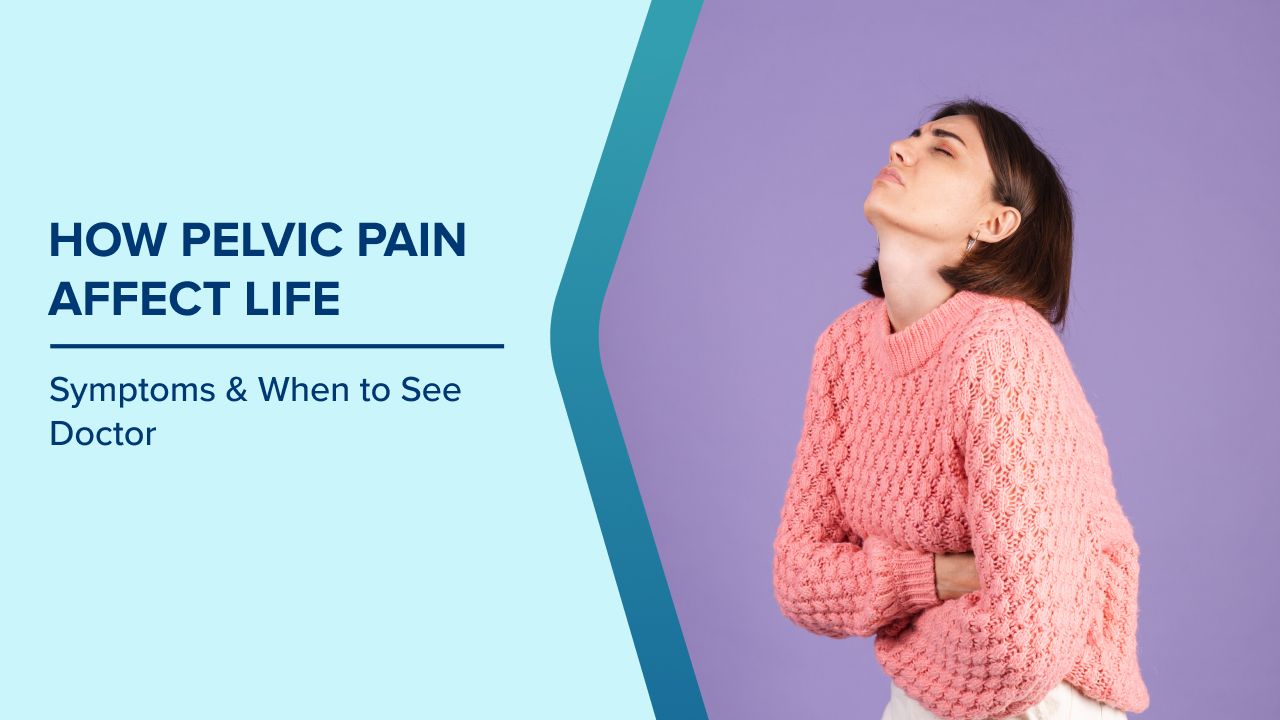
Call Us+91 926 888 0303How Pelvic Pain Affect Life: Symptoms & When to See Doctor
By Dr. Astha Srivastava in Obstetrics And Gynaecology
Apr 11 , 2026

Pelvic discomfort is a concern that many women experience at some point in their lives. While occasional pelvic pain may not always indicate a serious condition, persistent or recurring pain in the pelvic region should not be ignored. Chronic pelvic pain can affect daily activities, emotional well-being, and overall quality of life.
Understanding when pelvic pain requires medical attention is important for protecting long-term reproductive health. Early evaluation by a gynaecologist can help identify the underlying reason for discomfort and guide appropriate care.
Understanding Chronic Pelvic Pain
The pelvic region includes the lower abdomen and the area between the hip bones. Pain in this region may arise from several structures, including reproductive organs, muscles, nerves, or surrounding tissues.
Chronic pelvic pain usually refers to persistent or recurring discomfort in the pelvic area that continues for several months or appears repeatedly over time. The intensity and pattern of pain can vary from person to person.
Some women may experience:
- A dull ache in the lower abdomen
- A feeling of pressure in the pelvic region
- Intermittent discomfort that appears during certain activities
- Pain that gradually becomes more noticeable over time
Because pelvic pain can develop gradually, it is sometimes overlooked or mistaken for temporary discomfort.
How Pelvic Pain Can Affect Everyday Life
Chronic pelvic pain can influence several aspects of daily life. When discomfort becomes persistent, it may interfere with routine activities and personal well-being.
Some common ways pelvic pain may affect daily life include:
- Difficulty concentrating at work or school
- Reduced comfort during long hours of sitting
- Disruption of regular physical activity
- Sleep disturbances due to ongoing discomfort
- Emotional stress linked to persistent pain
When pelvic discomfort starts affecting normal routines, it often indicates the need for professional medical evaluation.
Common Reasons Women Ignore Persistent Pelvic Pain
Despite ongoing discomfort, many women delay consulting a gynaecologist. Pelvic pain is sometimes dismissed as a normal part of everyday life.
Several factors may contribute to this delay:
Assuming the pain will resolve on its own
Some women believe pelvic discomfort is temporary and may disappear without medical attention.
Misinterpreting symptoms
Pelvic pain can sometimes be mistaken for digestive issues or general abdominal discomfort.
Busy lifestyle
Work responsibilities, family commitments, and daily routines may make it difficult to prioritise personal health.
Lack of awareness
Some individuals may not realise that persistent pelvic pain in women can indicate an underlying health concern.
Recognising these barriers is important because early medical consultation can provide clarity and reassurance.
Warning Signs That Should Not Be Ignored
Certain symptoms suggest that pelvic discomfort requires timely medical attention. These warning signs may indicate that the pain is not simply temporary.
You should consider consulting a gynaecologist if pelvic pain is accompanied by:
- Pain that continues for several weeks or months
- Increasing intensity of discomfort over time
- Pain that interferes with normal daily activities
- Pelvic pressure or heaviness that does not improve
- Recurring pain that returns frequently
These symptoms indicate that a proper pelvic pain evaluation may be necessary.
When It is Time to See a Gynaecologist
Knowing when to consult a specialist can help prevent unnecessary delays in diagnosis. A gynaecologist has specialised training in conditions related to women’s reproductive health and pelvic structures.
You should consider scheduling a consultation if:
- Pelvic pain persists beyond a few weeks
- The discomfort begins to affect work or daily responsibilities
- Pain becomes more noticeable during routine activities
- The pattern of pelvic pain changes over time
- The cause of pain is unclear despite rest or lifestyle adjustments
Seeking medical advice does not always mean a serious condition is present. However, professional evaluation helps rule out possible concerns and provides reassurance.
What Happens During the First Gynaecologist Consultation
For many women, visiting a gynaecologist for pelvic pain may feel unfamiliar or slightly uncomfortable. Understanding what to expect during the consultation can make the experience easier.
A typical consultation may involve:
Discussion of symptoms
The doctor will ask questions about the nature of the pelvic pain, including:
- When the discomfort started
- How often does it occur
- Activities that make it better or worse
Medical history review
Information about previous health conditions, menstrual history, and overall reproductive health may be discussed.
Physical examination
A gentle pelvic examination may be performed to assess for tenderness or other abnormal findings.
Further evaluation if needed
In some cases, additional tests or imaging may be suggested to better understand the cause of the pain.
The goal of the consultation is to obtain a clear picture of the symptoms and determine the next steps for care.
The Importance of Early Evaluation
Early medical consultation plays an important role in protecting women’s health. Pelvic pain that persists without evaluation may continue to affect daily life and well-being.
Early evaluation helps achieve several goals:
- Identifying possible causes of discomfort
- Preventing prolonged uncertainty about symptoms
- Providing guidance on appropriate care options
- Supporting overall reproductive health
Consulting a gynaecologist ensures that symptoms are assessed properly and that women receive the support they need.
Conclusion
Chronic pelvic pain can be more than just a temporary inconvenience. When discomfort persists or begins to interfere with everyday life, it is important to seek medical advice.
Recognising warning signs and consulting a gynaecologist at the right time can lead to earlier understanding of the issue and greater peace of mind. A professional evaluation allows women to take control of their health and address concerns before they become more challenging.
Prioritising reproductive health and listening to the body’s signals are important steps towards maintaining long-term wellbeing.
FAQs
Can pelvic pain occur even if menstrual cycles are regular?
Yes, pelvic discomfort can occur even when menstrual cycles appear normal. Pain in the pelvic region may sometimes arise from structures that are not directly related to the menstrual cycle.
Does posture affect pelvic discomfort?
Poor posture, especially during long hours of sitting, can strain the muscles of the lower abdomen and pelvic region. Improving posture and taking breaks during prolonged sitting may help reduce strain.
Can emotional stress influence pelvic discomfort?
Stress can affect how the body perceives and responds to pain. Emotional strain may increase sensitivity to physical discomfort in various parts of the body.
Should pelvic pain during travel be a concern?
Long periods of sitting during travel may sometimes cause temporary pelvic discomfort. However, if pain persists after travel or occurs frequently, it is advisable to seek medical advice.
Can pelvic pain change as women age?
Hormonal changes and natural ageing processes may influence how the body responds to discomfort. New or changing pelvic pain at any age should be discussed with a healthcare professional for proper evaluation.
Written and Verified by:

Related Blogs

Dr. Manju Khemani In Obstetrics And Gynaecology
Oct 27 , 2020 | 3 min read

Dr. Neera Aggarwal In Obstetrics And Gynaecology , Nutrition And Dietetics
Nov 07 , 2020 | 7 min read
Blogs by Doctor

Living with PCOS: Embracing the Daily Challenges and Finding Strength
Dr. Astha Srivastava In Obstetrics And Gynaecology
Apr 28 , 2025 | 4 min read
Weeks 1 and 2 of Pregnancy: What You Need to Know
Dr. Astha Srivastava In Obstetrics And Gynaecology
Jul 16 , 2025 | 7 min read
Most read Blogs

Related Blogs
Dr. Manju Khemani In Obstetrics And Gynaecology
Oct 27 , 2020 | 3 min read
Dr. Neera Aggarwal In Obstetrics And Gynaecology , Nutrition And Dietetics
Nov 07 , 2020 | 7 min read
Blogs by Doctor
Living with PCOS: Embracing the Daily Challenges and Finding Strength
Dr. Astha Srivastava In Obstetrics And Gynaecology
Apr 28 , 2025 | 4 min read
Weeks 1 and 2 of Pregnancy: What You Need to Know
Dr. Astha Srivastava In Obstetrics And Gynaecology
Jul 16 , 2025 | 7 min read
Most read Blogs