 WhatsApp Us (24/7)
 +91 926 888 0303 (24/7)


To Book an Appointment
Call Us+91 926 888 0303How Can I Ease My Symptoms of Menopause?
By Dr. Kamna Nagpal in Infertility & IVF , Obstetrics And Gynaecology
Jan 06 , 2026 | 3 min read

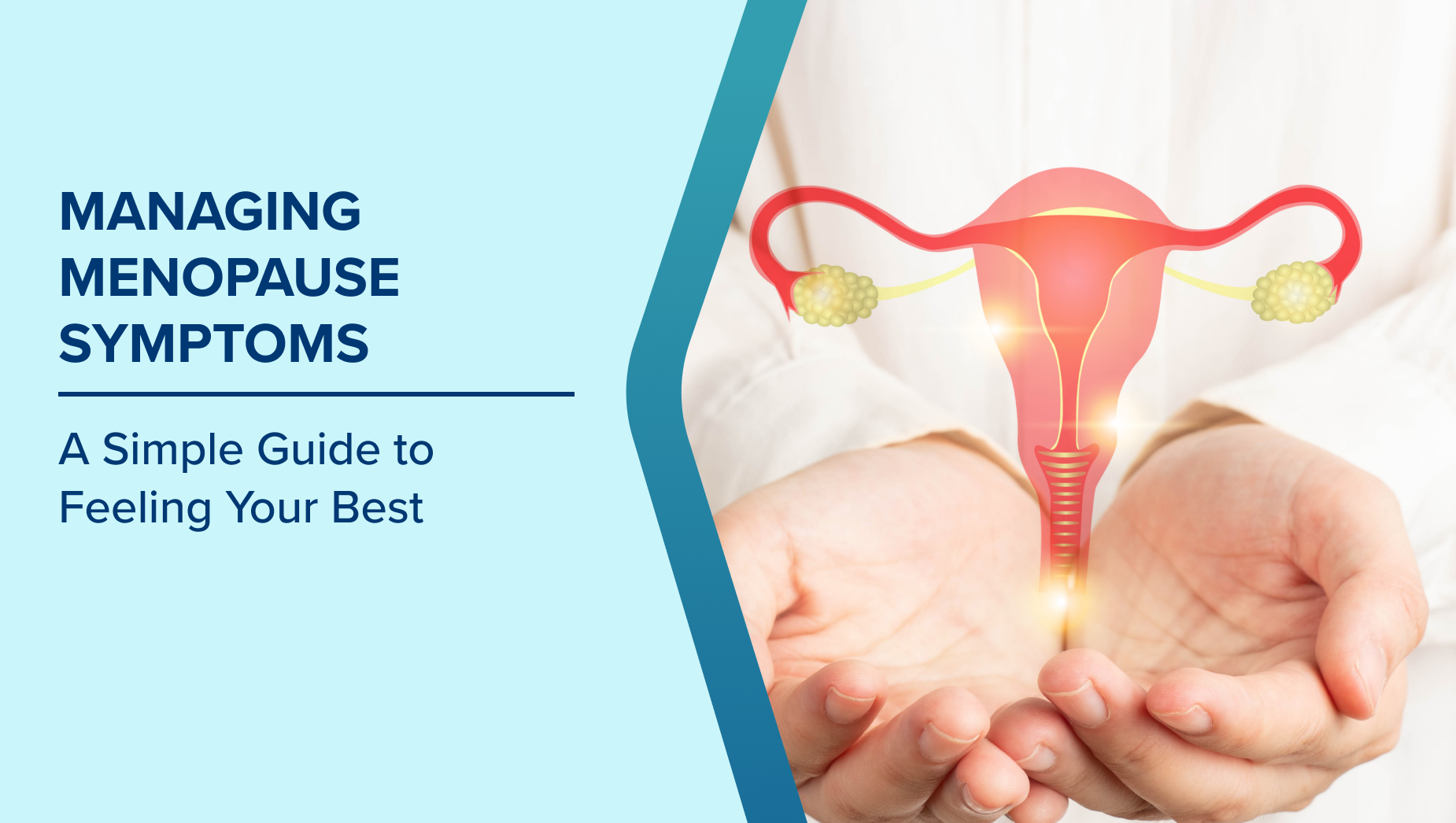
Menopause is a natural stage in every woman’s life, signalling the end of monthly periods and fertility. While it is a normal biological process, menopause often comes with symptoms that can impact daily activities and well-being. Learning how to manage these symptoms is important to stay comfortable and healthy during this time. Whether you are just beginning to notice changes or have been experiencing symptoms for a while, understanding menopause can help you handle it better.
Causes of Menopause
Menopause occurs when the ovaries produce less estrogen and progesterone, hormones that regulate the menstrual cycle. This hormonal change usually occurs between the ages of 45 and 55, but the timing can be different for everyone.
Besides natural menopause, some medical reasons can cause menopause symptoms earlier, including:
- Removal of ovaries through surgery (oophorectomy)
- Cancer treatments like chemotherapy or radiation
- Certain medicines that affect hormone levels
These factors cause similar hormone changes that lead to menopause symptoms.
Common Symptoms of Menopause
Due to hormonal changes, women may experience a variety of symptoms, such as:
- Hot flashes: Sudden waves of heat with sweating and redness.
- Night sweats: Hot flashes during sleep that disrupt rest.
- Mood swings: Feelings of irritability, anxiety, or sadness.
- Sleep problems: Difficulty falling asleep or waking up often.
- Vaginal dryness: Less natural lubrication, causing discomfort.
- Weight gain: Changes in metabolism can lead to increased weight.
- Memory problems: Trouble focusing or remembering things.
- Lowered sex drive: Reduced interest in intimacy.
Recognising these signs helps in managing menopause effectively.
Risk Factors for Menopause Symptoms
Several factors influence when menopause starts and how intense the symptoms may be:
- Age: Most women experience menopause between 45 and 55 years.
- Family history: Genetics can affect timing and severity.
- Lifestyle: Smoking, poor nutrition, and lack of physical activity may worsen symptoms.
- Health conditions: Diseases or surgeries affecting the ovaries can cause early menopause.
Being aware of these factors can help you prepare and manage menopause better.
Diagnosis of Menopause
Doctors usually diagnose menopause based on your age and symptoms, especially if you haven’t had a period for 12 months. Blood tests may be done to check hormone levels, particularly follicle-stimulating hormone (FSH), which increases as menopause approaches.
To get the right diagnosis and treatment, it’s important to rule out other causes of symptoms, such as thyroid problems or pregnancy.
Treatment Options for Menopause Symptoms
There is no single treatment that works for everyone. Treatment depends on the symptoms you have and your overall health. Common options include:
- Hormone Replacement Therapy (HRT): This therapy replaces estrogen (and sometimes progesterone) to balance hormone levels. It is very effective for hot flashes, night sweats, and vaginal dryness but is not suitable for all women due to some health risks. Always talk to your doctor before starting HRT.
- Medications: Other medicines can help with specific symptoms. For example, antidepressants may ease mood swings and hot flashes. Vaginal moisturisers relieve dryness, and short-term sleep aids may help with insomnia.
- Lifestyle Changes: Many women find that adopting a healthy lifestyle after 40, including regular exercise, a balanced diet, and quitting smoking, helps reduce symptoms and improve overall health.
- Natural Remedies: If you prefer natural methods, some options include herbal supplements like black cohosh or evening primrose oil, stress-relief techniques such as yoga and meditation, and acupuncture. Be sure to discuss these with your healthcare provider before use.
Prevention and Self-Care Strategies
Although menopause can’t be prevented, self-care can ease symptoms and support your health:
- Balanced diet: Eat plenty of calcium-rich foods, such as fruits, vegetables, and whole grains, to maintain bone strength and energy.
- Regular exercise: Combine aerobic activities, strength training, and stretching to manage weight, boost mood, and improve sleep.
- Stress management: Practice deep breathing, meditation, or hobbies to reduce anxiety and mood swings.
- Routine checkups: Visit your doctor regularly for bone density and heart health screenings, as the risk of osteoporosis and heart disease increases after menopause.
- Avoid triggers: Avoid things that worsen symptoms, like spicy foods, caffeine, and alcohol.
Conclusion
Effectively managing menopause symptoms helps you maintain a healthy and active life during this important phase. With the right medical treatments, lifestyle adjustments, and self-care habits, women can move through menopause comfortably and confidently. Always stay connected with your healthcare provider for personalised support and guidance.
Frequently Asked Questions
How long do menopause symptoms last?
Symptoms can vary widely, lasting from several months to a few years.
Is hormone replacement therapy safe for everyone?
HRT can be helpful but may not be suitable for some women due to health risks. Consult your doctor to understand what’s best for you.
Can changing my diet improve menopause symptoms?
Yes, a nutritious diet can help reduce symptoms and improve overall well-being during menopause.
Are there natural ways to ease hot flashes?
Yes, lifestyle changes like exercise, avoiding triggers, and certain herbal remedies may help, but always check with your doctor first.
When should I see a doctor about menopause symptoms?
If symptoms disrupt your daily life or if you experience unusual symptoms like heavy bleeding, seek medical advice.
Written and Verified by:

Related Blogs

Dr. Richa Singh In Infertility & IVF
Nov 08 , 2020 | 2 min read

Dr. Richa Singh In Infertility & IVF
Nov 08 , 2020 | 2 min read
Blogs by Doctor


HSV (Herpes Simplex Virus) Infections: All You Need to Know
Dr. Kamna Nagpal In Obstetrics And Gynaecology
Jan 10 , 2025 | 10 min read
Most read Blogs


Related Blogs
Dr. Richa Singh In Infertility & IVF
Nov 08 , 2020 | 2 min read
Dr. Richa Singh In Infertility & IVF
Nov 08 , 2020 | 2 min read
Blogs by Doctor
HSV (Herpes Simplex Virus) Infections: All You Need to Know
Dr. Kamna Nagpal In Obstetrics And Gynaecology
Jan 10 , 2025 | 10 min read
Most read Blogs