 WhatsApp Us (24/7)
 +91 926 888 0303 (24/7)


To Book an Appointment
Call Us+91 926 888 0303Troubled by Pimples? Try These 10 Effective Home Remedies
By Dr. Sakshi Srivastava in Dermatology
Jun 11 , 2026
2

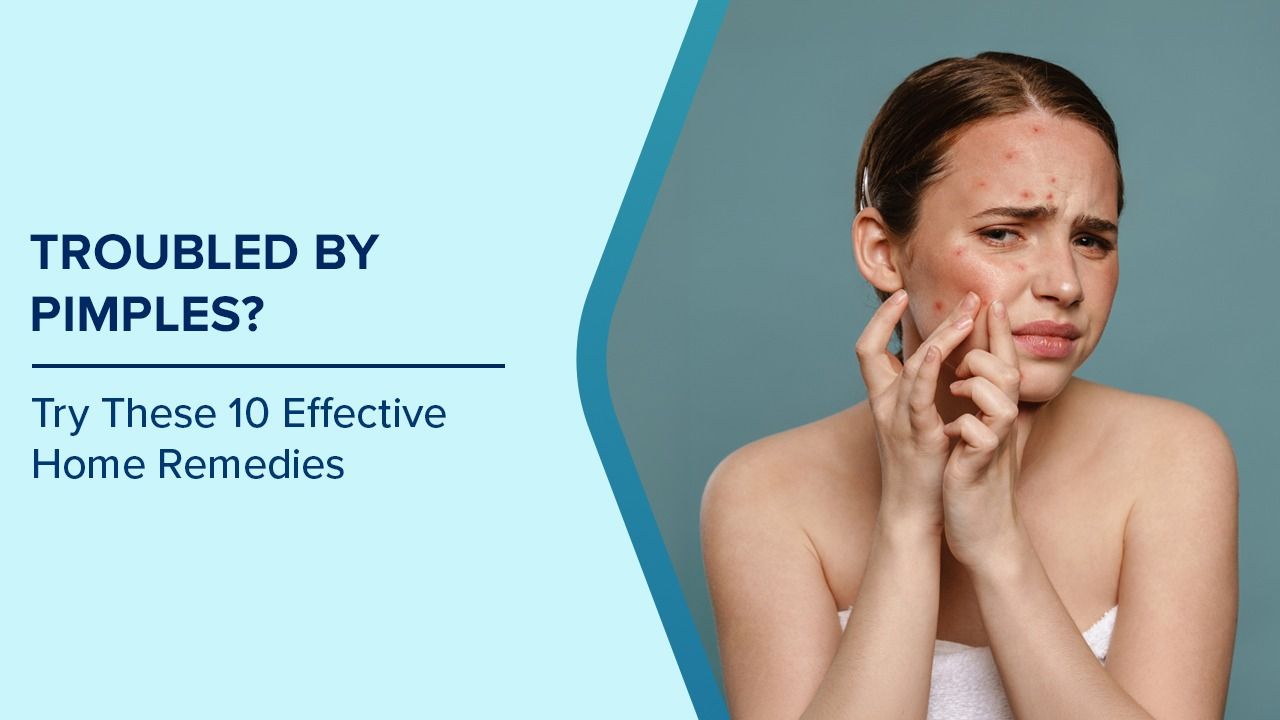
Pimples can be difficult to ignore, especially when they appear on the face. Their slow healing and frequent relapses can make them especially frustrating to deal with. That said, instead of turning straight to medicated creams or treatments, many choose to try home remedies that are gentler on the skin. In this article, we share 10 such simple yet effective remedies to help manage pimples at home. But before exploring these options, let us first understand what causes pimples in the first place, so common triggers can be avoided.
What Causes Pimples?
Pimples develop when the skin’s pores become blocked due to a buildup of oil, dead skin cells, and bacteria. Each pore on the skin is connected to a sebaceous gland that produces sebum, an oily substance that keeps the skin moisturised. In normal amounts, sebum helps protect the skin, but when produced in excess, it can mix with dead skin and clog the pores. This blockage creates the right environment for bacteria to grow, leading to inflammation, swelling, and pus formation, which appear as pimples.
Several everyday factors can contribute to this process:
- Hormonal activity: Shifts in hormones, especially during puberty, periods, pregnancy, or due to certain medical conditions, can lead to increased sebum production.
- Improper skin care: Not cleansing the skin regularly or using harsh products can either clog pores or cause irritation that worsens acne.
- Cosmetics and skincare products: Greasy or comedogenic products may block pores, especially if not removed properly.
- Diet: Some people may notice breakouts after eating oily or sugary foods, although this varies from person to person.
- Stress: High stress levels may not directly cause pimples but can increase inflammation or affect hormone levels, making the skin more prone to breakouts.
- Touching the face: Frequently touching the face or resting it against objects like phones, helmets, or pillowcases can transfer oil and bacteria to the skin.
- Environmental factors: Pollution, humidity, and sweating can clog pores and irritate the skin.
Recognising these causes makes it easier to take small steps that help prevent pimples from forming in the first place.
10 Home Remedies for Pimples That You Can Try at Home
Pimples can be mild or persistent, and not every case needs strong medication right away. Many home remedies made with basic ingredients can help reduce swelling, calm redness, and support the skin’s natural healing process. Below are ten remedies that may be useful, especially for mild breakouts.
1. Ice Application
Ice helps reduce swelling and redness by constricting the blood vessels under the skin. Wrap a few cubes of ice in a clean cloth and gently press it against the pimple for a few seconds at a time. This may help in the early stages when the pimple is painful and inflamed. Direct contact with ice should be avoided to prevent skin damage.
2. Honey and Cinnamon Paste
Honey contains natural antibacterial properties, and cinnamon has compounds that may reduce inflammation. Together, they can work well as a spot treatment.
To prepare:
- Mix one tablespoon of honey with half a teaspoon of cinnamon powder
- Apply the paste to the affected area and leave it on for about 10–15 minutes
- Rinse with warm water and gently pat the skin dry
This mixture may help clear surface bacteria and soothe irritated skin.
3. Aloe Vera Gel
Aloe vera is widely known for its cooling and healing effects. The gel inside the leaf contains substances that may reduce redness and promote skin repair.
Scoop out fresh gel from the leaf and apply it directly to the pimples. Leave it on for 15–20 minutes before rinsing. Regular use can help keep the skin calm and hydrated without clogging the pores.
4. Tea Tree Oil
Tea tree oil is a natural antiseptic that may help reduce bacteria and inflammation. Since it is strong, it must be diluted before use.
Mix a few drops of tea tree oil with a teaspoon of a carrier oil, such as coconut or almond oil. Apply the mixture to the pimple using a cotton bud. It is best used once a day, and only in the affected area, to avoid irritation.
5. Apple Cider Vinegar
Apple cider vinegar can help restore the skin’s pH balance and dry out pimples, but it must be used with caution.
To prepare a simple toner:
- Mix one part apple cider vinegar with three parts water
- Dip a cotton ball into the solution and apply it to the skin
- Leave it on for a few minutes, then rinse off gently
This method is not recommended for sensitive skin, as vinegar can be drying if overused.
6. Multani Mitti (Fuller’s Earth)
Multani mitti is a natural clay that helps absorb oil and remove dirt from the skin. It can be used as a face mask to clean out clogged pores.
Mix two tablespoons of multani mitti with enough rose water to make a smooth paste. Apply it to the face and leave it until it dries, then rinse with cool water. This remedy is especially helpful for oily skin but should not be used too often to avoid dryness.
7. Turmeric Paste
Turmeric has anti-inflammatory and antibacterial properties, making it useful for calming pimples.
To make the paste, mix a small amount of turmeric powder with water or honey. Apply it directly to the pimple and leave it on for 10–15 minutes before washing off. Turmeric may leave a slight yellow tint on the skin, which usually fades with cleansing.
8. Neem Paste
Neem has long been used in skincare for its ability to fight bacteria and reduce irritation.
Grind fresh neem leaves with a little water to make a paste. Apply it to the affected area or use it as a short face mask. Leave it on for about 15–20 minutes, then rinse. Neem also helps manage oil production and may help prevent new pimples.
9. Green Tea
Green tea is rich in antioxidants and has anti-inflammatory effects. It can be used on the skin to calm redness and reduce oiliness.
Brew green tea and let it cool. Use a cotton ball to apply it to the skin, or place a used green tea bag directly on the pimple for a few minutes. Rinse gently afterwards. Green tea may also support long-term skin health when used regularly.
10. Steam Treatment
Steam opens up the pores and helps loosen dirt, oil, and trapped debris, making it easier to clean the skin.
Boil water and pour it into a bowl. Place the face over the bowl at a safe distance and cover the head with a towel to trap the steam. Let the steam reach the face for 5–8 minutes. After steaming, use a mild cleanser or simply rinse with water. It leaves the skin feeling refreshed and ready for other treatments.
These home remedies can be a gentle way to manage pimples, especially when used with care and consistency. Results may vary depending on skin type and the cause of the breakout.
Things to Keep in Mind When Using Home Remedies
Home remedies can be helpful in easing mild pimples, but they should be used with care. Natural does not always mean risk-free, and some ingredients may not suit every skin type. Keeping the following points in mind can help reduce the chance of irritation or worsening the problem:
- Do a patch test first: Before applying any new ingredient to the face, try it on a small area of skin, like the inside of the arm. This helps check for any signs of irritation, redness, or allergy.
- Avoid overuse: Using remedies too often or in large amounts can dry out the skin or cause peeling. Even gentle ingredients can cause harm if overapplied.
- Stick to one or two remedies at a time: Mixing several treatments may seem like a good idea, but it can irritate the skin or make it harder to know which remedy is actually working.
- Be patient: Results from home remedies take time. Most of these methods work gradually, so it’s best to wait and watch for a few days before trying something else.
- Do not squeeze or pick at pimples: This can lead to more swelling, infection, and even scarring. Home remedies work best on untouched skin.
- Use clean hands and tools: Wash hands before applying any treatment, and always use clean cloths, cotton balls, or brushes to avoid introducing bacteria to the skin.
- Watch for signs of worsening: If the skin becomes very red, painful, swollen, or starts to develop pus-filled bumps, stop the home remedies and consider seeing a skin specialist.
Using these methods with care and consistency may help manage mild pimples without the need for strong treatments. However, any signs of skin damage or allergy should be taken seriously.
When Should You See a Skin Specialist?
Pimples are common and often go away with simple care, but in some cases, they may not improve or may keep coming back. A skin specialist (dermatologist) can help when home remedies and over-the-counter products do not bring relief or when pimples begin to affect daily life.
Consider seeing a specialist in the following situations:
- Pimples are painful or deep: Large, hard, or pus-filled pimples that cause pain or swelling may need medical treatment.
- Scarring or dark spots are forming: If pimples leave behind marks or scars, early care can help prevent long-term skin damage.
- Breakouts are frequent or spreading: When pimples appear often or spread to the back, chest, or shoulders, it may be a sign of hormonal or internal changes that need review.
- No improvement after home care: If there is no change after using home remedies or basic skincare for a few weeks, professional advice may help avoid further irritation.
- Pimples affect self-confidence: Severe or ongoing acne can sometimes affect mental well-being. A specialist can guide both skin treatment and emotional support if needed.
Early consultation can help manage pimples more effectively and reduce the chance of long-term skin problems.
Consult Today
Pimples can feel like a small issue, but they often become difficult to manage, especially when they don’t go away, leave marks, or keep coming back. If home remedies haven’t helped or breakouts are starting to affect confidence, it’s a good idea to get them checked. At Max Hospital, dermatologists can identify what’s causing the problem, such as hormonal changes or skin irritation, and suggest treatments that are right for the condition. For those tired of trying different solutions without results, discussing your case with a dermatologist can help get rid of pimples sooner.
Written and Verified by:

Related Blogs


Blogs by Doctor

Cold Sweat And Health: Conditions That May Cause Diaphoresis
Dr. Sakshi Srivastava In Dermatology
May 13 , 2023 | 2 min read
Most read Blogs


Related Blogs
Blogs by Doctor
Cold Sweat And Health: Conditions That May Cause Diaphoresis
Dr. Sakshi Srivastava In Dermatology
May 13 , 2023 | 2 min read
Most read Blogs