 WhatsApp Us (24/7)
 +91 926 888 0303 (24/7)


To Book an Appointment
Call Us+91 926 888 0303Hip Pain While Walking: Causes, Symptoms & Treatment Options
By Dr. Manoj Pahukar in Orthopaedics & Joint Replacement
May 04 , 2026

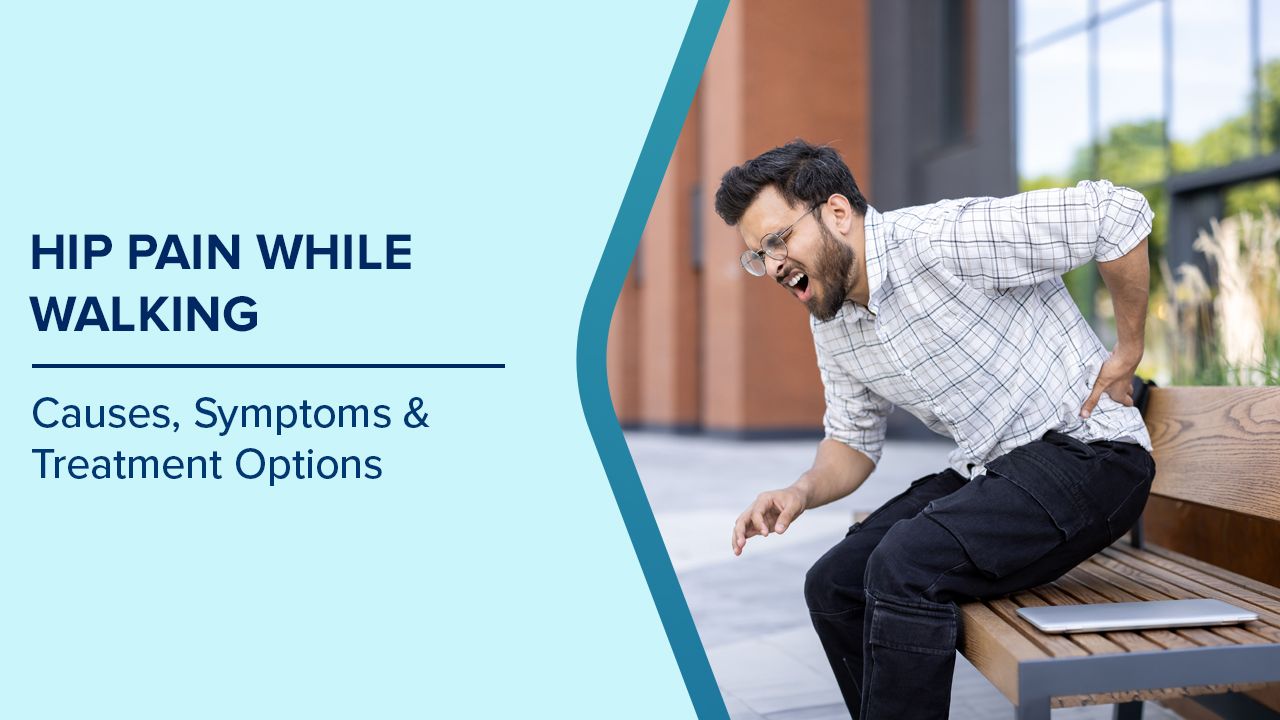
Hip pain while walking is a common concern that can affect people of all age groups. It may begin as a mild discomfort and gradually progress to persistent pain that interferes with daily activities. Walking, which is otherwise a natural and essential movement, can become difficult and limiting.
The hip joint helps in supporting body weight and enabling smooth movement. Any issue affecting this joint or the surrounding muscles, tendons, or bones can lead to pain during walking. Knowing the possible causes and understanding when to seek treatment can help prevent further complications and improve mobility.
Why Does Hip Pain Occur While Walking?
The hip is a ball-and-socket joint that allows a wide range of motion. It connects the thigh bone (femur) to the pelvis and supports most of the body’s weight during activities like standing, walking, and climbing stairs.
Pain during walking can occur due to:
- Wear and tear of the joint
- Inflammation of the surrounding tissues
- Injury or strain
- Reduced blood supply to the bone
- Nerve-related issues
The exact cause often depends on age, activity level, and overall health.
Common Causes of Hip Pain While Walking
Osteoarthritis
One of the most common causes of hip pain, especially in older adults, is Osteoarthritis. It occurs when the protective cartilage in the joint gradually wears down.
Symptoms:
- Stiffness in the hip, especially in the morning
- Pain that worsens with activity
- Reduced range of motion
- Clicking or grinding sensation
Bursitis
Hip Bursitis happens when the fluid-filled sacs (bursae) that cushion the joint become inflamed.
Symptoms:
- Sharp pain on the outer side of the hip
- Pain while walking, climbing stairs, or lying on one side
- Tenderness around the hip
Tendinitis
Inflammation of the tendons around the hip joint can lead to pain during movement. This condition is often related to overuse or repetitive activity.
Symptoms:
- Pain that worsens with movement
- Mild swelling
- Discomfort after prolonged walking or exercise
Muscle Strain or Injury
Sudden movements, overexertion, or improper posture can strain the muscles supporting the hip.
Symptoms:
- Localised pain
- Difficulty walking or moving the leg
- Muscle tightness
Labral Tear
The hip labrum is a ring of cartilage that supports the joint. A tear can affect stability and cause pain.
Symptoms:
- Deep hip pain
- Locking or catching sensation
- Pain during walking or twisting movements
Avascular Necrosis
When blood supply to the hip bone is disrupted, it can result in a condition known as avascular necrosis, leading to bone damage.
Symptoms:
- Gradual onset of pain
- Pain even at rest in advanced stages
- Limited joint movement
Fractures
Hip fractures are quite common in older adults, especially those with osteoporosis. Even minor falls can lead to fractures.
Symptoms:
- Sudden, severe pain
- Inability to bear weight
- Swelling or bruising
Referred Pain from the Lower Back
Hip pain is not always caused by a problem in the hip joint. Issues like sciatica can lead to pain that radiates towards the hip.
Symptoms:
- Pain starting from the lower back
- Tingling or numbness
- Pain radiating down the leg
When Should You See a Doctor?
While mild hip pain may improve with rest, certain symptoms require medical attention:
- Pain that persists for more than a few days
- Difficulty walking or bearing weight
- Sudden or severe pain
- Swelling or redness
- Pain associated with fever
- Limited range of motion
Early evaluation helps identify the cause and prevents further damage.
How Is Hip Pain Diagnosed?
Diagnosis usually involves a combination of:
Medical History and Physical Examination
Your doctor will assess symptoms, movement, and pain points.
Imaging Tests
- X-rays to check bone structure
- MRI to evaluate soft tissues
- CT scans in complex cases
Laboratory Tests
These may be recommended if infection or inflammatory conditions are suspected.
Read More: What is Total Hip Replacement: Surgery Process, Causes & Recovery
Treatment Options for Hip Pain
Treatment depends on the underlying cause and severity of the condition.
Rest and Activity Modification
Reducing activities that worsen pain allows the joint to heal. Avoid prolonged walking, running, or standing.
Medications
Doctors may prescribe:
- Pain relievers
- Anti-inflammatory medications
- Muscle relaxants (if needed)
These help reduce pain and inflammation.
Physiotherapy
Physical therapy plays a key role in recovery. It focuses on:
- Strengthening hip muscles
- Improving flexibility
- Enhancing joint stability
A structured exercise plan can significantly reduce pain and improve mobility.
Lifestyle Modifications
Simple changes can support recovery:
- Maintain a healthy weight
- Use supportive footwear
- Avoid high-impact activities
- Practice good posture
Assistive Devices
Using a cane or walker can reduce pressure on the hip and make walking easier.
Injections
In some cases, doctors may recommend:
- Corticosteroid injections to reduce inflammation
- Joint lubrication injections
These provide temporary relief in moderate to severe cases.
Surgical Treatment
Surgery may be required when conservative treatments do not provide relief.
Common surgical options include:
- Arthroscopy for labral tears
- Repair of fractures
- Joint replacement in severe arthritis
One of the most effective procedures for advanced joint damage is Hip Replacement Surgery, which helps restore function and reduce pain.
Can Hip Pain Be Prevented?
While not all causes can be prevented, certain measures can reduce the risk:
- Regular exercise to strengthen muscles
- Maintaining flexibility through stretching
- Avoiding sudden or excessive strain
- Maintaining a healthy body weight
- Using proper techniques during physical activity
Practical Tips to Manage Hip Pain
Managing hip pain involves consistent care and awareness.
- Take breaks during long walks
- Apply heat or cold packs as advised
- Follow prescribed exercises regularly
- Avoid sitting or standing for prolonged periods
- Keep follow-up appointments with your doctor
Small, consistent efforts can improve comfort and mobility over time.
Conclusion
Hip pain while walking can result from a variety of causes, ranging from mild muscle strain to more complex joint conditions. While some cases improve with rest and simple care, others may require medical evaluation and targeted treatment.
Identifying the root cause is important for proper management. Early diagnosis, suitable treatment, and lifestyle changes can help relieve pain, improve mobility, and enhance overall quality of life.
If hip pain persists or worsens, consulting a healthcare professional ensures timely care and prevents long-term complications.
Frequently Asked Questions
1. Is hip pain while walking always serious?
Not always. It can result from minor strain, but persistent or worsening pain must be evaluated by a doctor.
2. Can exercise help reduce hip pain?
Yes, appropriate exercises can strengthen muscles and improve flexibility, reducing pain over time.
3. How long does hip pain take to heal?
Recovery depends on the cause. Mild conditions may improve in a few days, while others may take weeks or require treatment.
4. Can poor posture cause hip pain?
Yes, improper posture can strain the hip joint and surrounding muscles, leading to discomfort.
5. When is surgery required for hip pain?
Surgery is advised when other treatments fail to improve symptoms or in cases involving serious joint damage or fractures.
Written and Verified by:

Related Blogs


Dr. Ashish Jain In Orthopaedics & Joint Replacement
Nov 07 , 2020 | 1 min read
Blogs by Doctor

An Introductory Guide to Orthopaedic Oncology
Dr. Manoj Pahukar In Orthopaedics & Joint Replacement
Sep 09 , 2024 | 5 min read

Most read Blogs


Related Blogs
Dr. Ashish Jain In Orthopaedics & Joint Replacement
Nov 07 , 2020 | 1 min read
Blogs by Doctor
An Introductory Guide to Orthopaedic Oncology
Dr. Manoj Pahukar In Orthopaedics & Joint Replacement
Sep 09 , 2024 | 5 min read
Most read Blogs