 WhatsApp Us (24/7)
 +91 926 888 0303 (24/7)


To Book an Appointment
Call Us+91 926 888 0303What is a Haematoma? Types, Symptoms, and Treatment
By Dr. Sanjay Kumar Mishra in Neurosciences
Jun 02 , 2025 | 11 min read
7

A haematoma happens when blood leaks outside blood vessels due to an injury or a break in the blood vessel wall. This can happen after a fall, bump, or medical procedure, and may lead to swelling, discolouration, or discomfort in the affected area. Depending on where it develops, a haematoma can vary in size, appearance, and how it affects the body. Some are minor and settle on their own, while others may need closer attention. This blog explains what a haematoma is, explores its different types, symptoms to look out for, and possible treatment options. The first section begins with a closer look at what a haematoma actually means.
What is a Hematoma?
A haematoma forms when blood leaks from a damaged blood vessel and collects in surrounding tissue, but what sets it apart from a regular bruise is the depth and pressure it can create. In many cases, the blood becomes clotted or semi-solid, which may slow the healing process and affect nearby structures. For example, a haematoma within a muscle may limit movement, while one near the brain can increase pressure inside the skull. Unlike surface bruises that typically resolve quickly, haematomas may take longer to heal and can change in appearance over time, sometimes becoming darker, firmer, or more swollen. In certain locations, they may not be visible at all, which makes monitoring symptoms more important.
What are the Types of Hematoma?
Haematomas can develop in different parts of the body, and each type is named according to its location. The symptoms, risks, and urgency of treatment can vary depending on where the bleeding occurs. Some haematomas remain close to the skin and are easy to spot, while others form deeper inside the body and may not be visible from the outside.
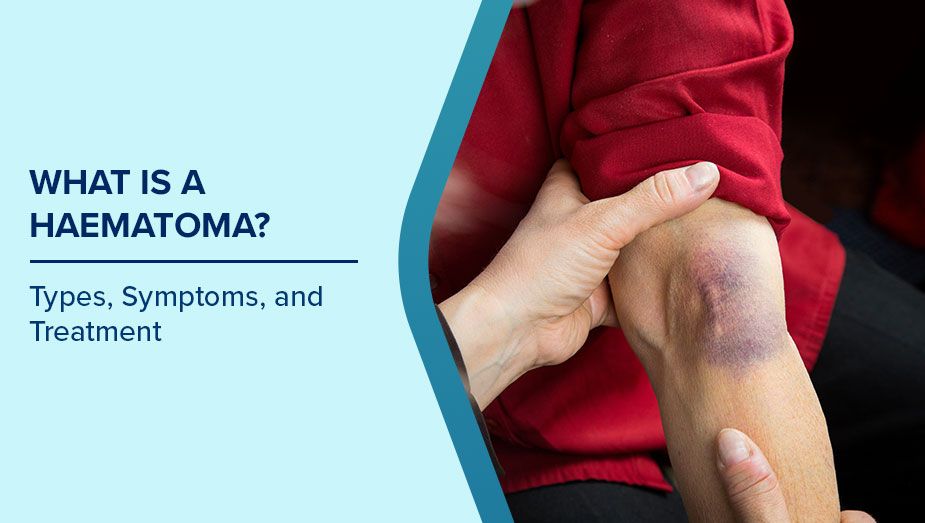
- Subcutaneous haematoma: This type forms just under the skin, usually after a bump or blow. It often appears as a dark patch and may feel swollen or tender.
- Intramuscular haematoma: Found within a muscle, this type may cause pain, tightness, or limited movement in the affected area. It often results from a sports injury or direct trauma.
- Subdural haematoma: This occurs between the brain and its outer protective covering. It is usually linked to head injuries and can lead to confusion, headache, or loss of consciousness.
- Epidural haematoma: Located between the skull and the outer layer of the brain covering, this type often results from a skull fracture and can cause serious pressure on the brain.
- Intracranial haematoma: Found within the brain tissue itself, this is one of the most serious forms and may affect speech, balance, or consciousness, depending on the area involved.
- Auricular haematoma: Seen in the ear, especially in people involved in contact sports. If not treated, it may lead to a condition known as cauliflower ear.
- Splenic or hepatic haematoma: These occur within internal organs like the spleen or liver, often due to abdominal trauma. Internal bleeding in these areas can be life-threatening and may require urgent care.
Each type of haematoma has different signs and risks, which makes it important to understand how symptoms may vary based on the affected area.
What Can Cause a Hematoma?
A haematoma forms when a blood vessel is damaged and blood escapes into nearby tissue, creating a pocket of blood that the body cannot reabsorb immediately. Several factors can lead to this damage, and the cause often influences the size, location, and severity of the haematoma. Although trauma is the most common reason, not all haematomas are caused by accidents.
Physical trauma
Direct injury is the most frequent cause of a haematoma. This may include:
- Falls, especially in older adults or children
- Blunt force to any part of the body, such as from sports, accidents, or assault
- Impact during physical activities, including contact sports like rugby or boxing
- Fractures or broken bones, which may damage surrounding blood vessels
Surgical procedures or medical interventions
Haematomas may develop after surgery or medical procedures that involve cutting, injecting, or inserting devices. This happens when small blood vessels are disturbed or not sealed completely. Common examples include:
- Dental work or minor skin surgeries
- Joint replacements or abdominal surgeries
- Injection sites after vaccinations or intravenous therapy
Blood-thinning medication
Medicines that interfere with normal blood clotting can increase the chance of a haematoma, even after mild trauma. These include:
- Anticoagulants
- Antiplatelet drugs used for heart conditions
- Overuse of non-steroidal anti-inflammatory drugs (NSAIDs), which may affect blood clotting
Bleeding disorders
People with conditions that affect how the blood clots are more likely to develop haematomas. These include:
- Haemophilia or von Willebrand disease
- Liver disease, which can affect the production of clotting factors
- Low platelet count due to infections, bone marrow problems, or some medications
Weak or damaged blood vessels
Weakened vessels can rupture more easily, even without a strong external force. This may occur in:
- Elderly individuals with more fragile vessels
- People with high blood pressure, which can strain blood vessels over time
- Individuals with vascular conditions like aneurysms or vasculitis
Sudden pressure or strain
Although less common, increased pressure inside the body may cause a small vessel to break. This can happen from:
- Lifting heavy objects
- Severe coughing or vomiting
- Childbirth, in some cases
Not every cause results in the same type of haematoma, and the underlying reason often helps guide how it is treated. The next section explains the symptoms that may appear when a haematoma forms in different parts of the body.
What are the Symptoms of Hematoma?
The symptoms of a haematoma depend on its size, location, and the amount of blood that has been collected. Some haematomas appear just under the skin and are easy to see or feel, while others form deeper inside the body and may not be visible at all. In some cases, symptoms develop immediately after an injury; in others, they may take time to appear.
Common symptoms include:
- Swelling or a noticeable lump in the affected area
- Skin discolouration, often starting red or purple and fading to blue, green, or yellow over time
- Pain or tenderness near the site
- Warmth or firmness when touching the swollen area
- Restricted movement if the haematoma is near a joint or muscle
- A feeling of pressure or tightness under the skin
When a haematoma forms in a deeper or more serious location, additional symptoms may appear:
- In the brain (intracranial or subdural haematoma): headache, confusion, dizziness, nausea, blurred vision, weakness, or changes in speech or consciousness
- In the abdomen or internal organs: abdominal pain, bloating, low blood pressure, or signs of internal bleeding such as feeling faint
- In the ear (auricular haematoma): swelling and a firm, rounded shape that may eventually cause deformity if not drained
Symptoms may become worse over time if the haematoma grows or presses against nearby tissues. The next section explains how doctors confirm the presence of a haematoma and which tests may be used during diagnosis.
How is a Hematoma Diagnosed?
The diagnosis of a haematoma begins with a physical examination and a detailed review of the person's medical history. A doctor looks for visible signs such as swelling, skin discolouration, or tenderness and asks questions about recent injuries, surgeries, or use of blood-thinning medicines. If the haematoma is near the surface, it may be easy to detect by touch and observation alone.
For deeper or more serious haematomas, especially those in the brain, abdomen, or muscles, imaging tests are often needed to confirm the diagnosis and check the size and location. These may include:
- Ultrasound: Used to view haematomas in soft tissues, such as muscles or under the skin
- CT scan: Often used for head injuries or to check for bleeding inside the brain or chest
- MRI: Helpful in assessing haematomas near joints or deep within tissues
- Blood tests: Sometimes done to check clotting ability, especially if there is concern about a bleeding disorder or the effect of blood-thinning medicines
In some cases, a haematoma may resemble a cyst, tumour, or abscess. Imaging helps rule out these other conditions.
Additional Tests for Specific Haematomas
In some cases, particularly with haematomas that affect the brain or internal organs, further diagnostic procedures may be recommended. For example:
- Cerebral angiogram: If there’s concern about a brain haematoma causing blood vessel damage, this test may be done to check the blood flow in the brain.
- Endoscopy or laparoscopy: If a haematoma is suspected inside the abdomen or a body cavity, these minimally invasive procedures may be used to view the affected area directly.
Differential Diagnosis
Sometimes, a haematoma can be mistaken for other conditions, such as a cyst, abscess, or tumour. For this reason, imaging tests and thorough medical evaluations are crucial to differentiate between a haematoma and other health issues. For instance, a swollen, tender lump may seem like a haematoma, but it could also be an infection or benign growth.
Once the type and location of the haematoma are confirmed, the next step is deciding how to manage it. The following section covers treatment options and when medical help is needed.
How is a Hematoma Treated?
The treatment of a haematoma largely depends on its type, size, and location. In most cases, haematomas can be managed at home with simple measures, but severe or deep haematomas, particularly those involving internal organs or the brain, may require medical intervention.
Conservative Treatment for Small Haematomas
For minor haematomas, especially those located just beneath the skin, conservative treatment is often sufficient. These treatments focus on reducing pain and swelling and encouraging the body to reabsorb the blood. Common approaches include:
- Rest and Elevation: Keeping the affected area elevated helps reduce swelling and allows blood flow to move away from the injury site.
- Ice Packs: Applying ice or a cold compress to the affected area during the first 48 hours can reduce swelling and numb the pain. Ice should be wrapped in a cloth or towel to avoid direct contact with the skin and prevent frostbite.
- Compression: Gently wrapping the area with an elastic bandage can help reduce swelling. However, care should be taken not to wrap it too tightly, as it may restrict blood flow.
- Pain Relief: Over-the-counter pain relievers like ibuprofen or paracetamol can help manage discomfort and inflammation.
Medical Intervention for Larger or Deep Haematomas
If the haematoma is large, deep, or painful, especially in areas like the muscles or joints, medical treatment may be needed. A doctor may drain the blood collection using a needle or incision, particularly if the haematoma is not resolving on its own or is causing pressure on surrounding tissues. The procedure is typically done under local anaesthesia to reduce discomfort.
For haematomas that involve more serious internal bleeding, such as those in the brain or internal organs, more advanced treatments may be necessary:
- Surgical Drainage: In some cases, surgery may be required to remove the accumulated blood and relieve pressure, especially if the haematoma is located in an organ, joint, or inside the skull.
- Medication: In cases where the haematoma is caused by an underlying bleeding disorder or the use of blood-thinning medications, doctors may adjust or temporarily stop these medications. They may also administer drugs to help improve clotting or address the underlying cause.
Treatment for Specific Haematoma Types
- Intracranial Haematomas: Haematomas in the brain, such as subdural haematomas or epidural haematomas, are serious and require immediate medical attention. Depending on the severity, treatment may involve surgical intervention to remove the clot or reduce the pressure inside the skull. Observation may be necessary for small, stable haematomas, but if the condition worsens, emergency surgery may be required.
- Muscle Haematomas: When haematomas occur in muscles, particularly those in the legs or arms, treatment often involves rest, ice, and compression. If the haematoma causes persistent pain or interferes with movement, a healthcare provider may use a needle to drain the blood and alleviate pressure.
Recovery and Follow-Up Care
Once treated, the body will gradually absorb the blood clot, and symptoms should improve. However, recovery times vary depending on the size and location of the haematoma. It is important to monitor for any changes in symptoms, such as increased pain, swelling, or redness, as these may indicate an infection or other complications.
If surgical intervention or drainage is required, follow-up visits to the doctor are necessary to ensure proper healing and to check for any signs of recurrence or infection. Rehabilitation may also be needed for larger haematomas, particularly those affecting muscles or joints, to help restore function and prevent stiffness.
The treatment approach for a haematoma depends on the specific circumstances, but for most individuals, rest, ice, and proper care are sufficient for recovery. In the following section, the focus shifts to recovery and the possible complications that can occur if a haematoma is not managed appropriately.
What are the Complications of an Untreated Hematoma?
Leaving a haematoma untreated can lead to various complications, depending on its size, depth, and location. Some of the possible issues include:
- Infection: A haematoma may become infected, especially if it forms under broken skin or near a wound. This can lead to an abscess that might require drainage and antibiotics.
- Pressure on Surrounding Tissues: Accumulated blood can press on nearby nerves, muscles, or blood vessels, causing pain, numbness, or restricted movement. In severe cases, this can lead to compartment syndrome, which needs urgent medical care.
- Brain Damage from Intracranial Haematomas: A subdural or epidural haematoma can put pressure on the brain, leading to symptoms like confusion, seizures, or unconsciousness. If not treated promptly, it may result in long-term brain damage or even death.
- Myositis Ossificans: In haematomas within muscles, calcium deposits can form during healing, leading to bone-like growth inside the muscle, which may affect movement and cause chronic pain.
- Fibrosis or Scarring: Blood trapped in soft tissues for too long can cause scarring, leading to stiffness or reduced flexibility in the affected area.
- Delayed Healing and Persistent Swelling: An untreated haematoma may heal slowly or remain swollen and discoloured for an extended period. This can interfere with daily activities and increase the risk of further injury.
Early treatment helps avoid these complications and supports a smoother recovery. The next section will cover the recovery process and signs that suggest it’s time to see a doctor.
Consult Today
A haematoma may seem minor at first, especially if it follows a small bump or injury, but ignoring it can sometimes lead to serious consequences. Pain that worsens, swelling that doesn’t improve, or changes in movement or consciousness should not be overlooked. In such cases, timely medical care makes a significant difference. At Max Hospital, specialists in general surgery and neurology are available to assess the severity of the condition and offer the right course of treatment. For those dealing with persistent symptoms or unsure about the nature of their injury, booking a consultation can provide the clarity and reassurance needed to move forward with confidence.
Written and Verified by:

Related Blogs

Dr. Chandril Chugh In Neurosciences , Interventional Neurology
Nov 08 , 2020 | 1 min read

Dr. Chandril Chugh In Neurosciences , Interventional Neurology
Nov 08 , 2020 | 2 min read
Blogs by Doctor

Unraveling the Brain's Mysteries: Exploring New Frontiers
Dr. Sanjay Kumar Mishra In Neurosurgery , Neurology
Jul 26 , 2024 | 1 min read
Most read Blogs


Related Blogs
Dr. Chandril Chugh In Neurosciences , Interventional Neurology
Nov 08 , 2020 | 1 min read
Dr. Chandril Chugh In Neurosciences , Interventional Neurology
Nov 08 , 2020 | 2 min read
Blogs by Doctor
Unraveling the Brain's Mysteries: Exploring New Frontiers
Dr. Sanjay Kumar Mishra In Neurosurgery , Neurology
Jul 26 , 2024 | 1 min read
Most read Blogs