 WhatsApp Us (24/7)
 +91 926 888 0303 (24/7)


To Book an Appointment
Call Us+91 926 888 0303Glucose Tolerance Test (GTT) - Purpose, Normal Values & Results
By Dr. Nitin Dadarao Wadaskar in Internal Medicine
Apr 28 , 2025 | 5 min read
3

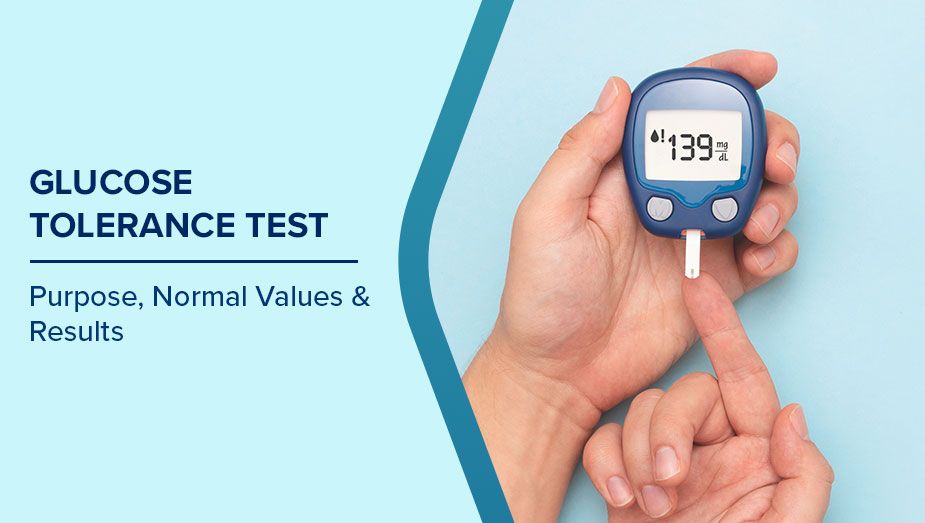
The Glucose Tolerance Test (GTT) is a medical test used to measure how well your body processes sugar. It is commonly used to diagnose diabetes, prediabetes, and gestational diabetes during pregnancy. This test is important for identifying potential health risks early and ensuring timely treatment.
If you are experiencing frequent thirst, fatigue, unexplained weight loss, or excessive urination, a Glucose Tolerance Test may help detect underlying issues. Max Hospital offers comprehensive glucose testing with expert diagnosis to help you manage your health effectively.
What Does a Glucose Tolerance Test Check For?
A Glucose Tolerance Test helps diagnose various conditions, including:
- Diabetes Mellitus (Type 1 & Type 2) – This test checks how well the body manages blood sugar. It helps diagnose and monitor diabetes effectively.
- Prediabetes – Identifies early warning signs of diabetes before it becomes severe. Early detection allows lifestyle changes to prevent progression.
- Gestational Diabetes – Detects high blood sugar levels during pregnancy. Helps prevent complications for both mother and baby.
- Insulin Resistance – Evaluates how the body responds to insulin and its efficiency. It is crucial for diagnosing conditions like Type 2 diabetes.
- Metabolic Syndrome – A group of conditions increasing heart disease risk. Includes high blood sugar, abnormal cholesterol, and high blood pressure.
Glucose Tolerance Test Normal Range
The normal range for a Glucose Tolerance Test (GTT) depends on the number of hours after consuming glucose:
|
Test / Time Point |
Normal Range / Interpretation |
|
Fasting Blood Sugar |
Less than 100 mg/dL |
|
1-Hour Reading |
Less than 180 mg/dL |
|
2-Hour Reading |
Less than 140 mg/dL |
|
Prediabetes |
140 – 199 mg/dL (2-hour reading) |
|
Diabetes |
200 mg/dL or higher (2-hour reading) |
If your results are higher than normal, your doctor may recommend lifestyle changes, medication, or further testing.
Glucose Tolerance Test Price in India
At Max Hospital, we provide highly accurate and reliable Glucose Tolerance Tests at competitive rates. The price of the test varies based on location, hospital facilities, and additional services required. Our expert team ensures a smooth and hassle-free experience.
Affordable pricing with world-class facilities
Fast and accurate results for better diagnosis
No long wait times – Get tested easily at Max Hospital
How is a Glucose Tolerance Test Done?
The test is performed in a few simple steps:
- Fasting: You need to fast for 8–12 hours before the test.
- Baseline Blood Sample: A blood sample is taken to check fasting blood sugar levels.
- Glucose Drink: You will drink a sweet glucose solution (75g of glucose for adults).
- Blood Sampling: Blood samples are collected at different time intervals (1 hour, 2 hours, and sometimes 3 hours).
- Results & Diagnosis: The doctor will analyze your blood sugar response over time.
What Diseases Can a Glucose Tolerance Test Detect?
A Glucose Tolerance Test helps diagnose:
- Type 1 & Type 2 Diabetes – Long-term conditions affecting blood sugar regulation. They require continuous monitoring and management.
- Gestational Diabetes – High blood sugar during pregnancy that needs medical attention. It can impact both maternal health and baby’s development.
- Prediabetes – A condition signaling a higher risk of developing diabetes. Early lifestyle changes can help prevent it from progressing.
- Hypoglycemia – Low blood sugar levels that can cause dizziness, confusion, and fainting. It requires immediate treatment to prevent complications.
- Hyperglycemia – High blood sugar levels, often linked to diabetes or insulin resistance. If left untreated, it can lead to serious health issues.
Glucose Tolerance Test Results – What Do They Mean?
- Normal: Your body efficiently processes glucose.
- Prediabetes: You may need lifestyle changes to prevent diabetes.
- Diabetes: High blood sugar levels require immediate medical attention.
Your doctor will discuss the results and suggest the next steps based on your condition.
Composition and Ingredients of Glucose Solution
The glucose solution used in the test contains:
Dextrose (Glucose Monohydrate) – A form of sugar that raises blood glucose levels for testing.
Water – Helps dissolve glucose for easy consumption.
✔ Flavoring Agents (if applicable) – Some solutions contain mild flavors to improve taste.
Uses of Glucose Tolerance Test
The Glucose Tolerance Test is used for:
- Diabetes Screening – Helps diagnose prediabetes, Type 1, and Type 2 diabetes early. Early detection allows timely management and prevention of complications.
- Gestational Diabetes Detection – Identifies high blood sugar levels during pregnancy. Proper monitoring ensures a healthy pregnancy and reduces risks for the baby.
- Monitoring Insulin Resistance – Evaluates how the body responds to insulin. This helps detect early signs of diabetes and metabolic disorders.
- Post-Surgery Recovery – Ensures stable blood sugar levels after surgery. Maintaining normal glucose levels speeds up healing and reduces complications.
Side Effects & Risks of the Glucose Tolerance Test
The test is safe and commonly performed, but some people may experience:
Mild nausea or dizziness due to the glucose drink.
Temporary fatigue or headache after blood draws.
Slight bruising at the blood sample site.
Book Your Glucose Tolerance Test at Max Hospital
If you are at risk of diabetes or experiencing symptoms like excessive thirst or fatigue, a Glucose Tolerance Test can help detect potential issues early. At Max Hospital, we offer a comprehensive and accurate GTT with expert analysis and minimal wait time.
Fast & Reliable Testing
Affordable Price with Best Facilities
Expert Consultation for Better Health Management
Schedule your Glucose Tolerance Test today at Max Hospital and take control of your health!
Frequently Asked Questions (FAQS)
Can a Glucose Tolerance Test be done at home?
No, the test requires multiple blood samples over several hours, which must be done in a lab.
Is a Glucose Tolerance Test done before surgery?
Yes, in some cases, doctors may recommend a GTT to ensure stable blood sugar levels before surgery.
How long does a Glucose Tolerance Test take?
The test usually takes 2 to 3 hours, depending on the number of blood samples collected.
Do I need to prepare for a Glucose Tolerance Test?
Yes, fast for at least 8 hours before the test and avoid alcohol or heavy meals the night before.
What happens if my Glucose Tolerance Test is abnormal?
Your doctor may suggest lifestyle changes, medication, or further tests to confirm diabetes.
Can I eat after a Glucose Tolerance Test?
Yes, once the test is complete, you can resume your regular diet.
Is the test painful?
The test involves a simple blood draw, which may cause slight discomfort but is not painful.
Is the Glucose Tolerance Test necessary during pregnancy?
Yes, it is an important test to detect gestational diabetes, which can affect both mother and baby.
How accurate is the Glucose Tolerance Test?
It is a highly reliable test used worldwide for diabetes diagnosis.
Written and Verified by:

Related Blogs


Dr. Vandana Boobna In Internal Medicine
Nov 08 , 2020 | 2 min read
Blogs by Doctor

PPBS Test: Normal Range, Purpose & Interpretation
Dr. Nitin Dadarao Wadaskar In Internal Medicine
Apr 22 , 2025 | 4 min read

PPBS Test: Purpose, Normal Ranges & Result Interpretation
Dr. Nitin Dadarao Wadaskar In Internal Medicine
Apr 28 , 2025 | 5 min read
Most read Blogs


Related Blogs
Dr. Vandana Boobna In Internal Medicine
Nov 08 , 2020 | 2 min read
Blogs by Doctor
PPBS Test: Normal Range, Purpose & Interpretation
Dr. Nitin Dadarao Wadaskar In Internal Medicine
Apr 22 , 2025 | 4 min read
PPBS Test: Purpose, Normal Ranges & Result Interpretation
Dr. Nitin Dadarao Wadaskar In Internal Medicine
Apr 28 , 2025 | 5 min read
Most read Blogs