 WhatsApp Us (24/7)
 +91 926 888 0303 (24/7)


To Book an Appointment
Call Us+91 926 888 0303Eligibility Criteria for Targeted Radiotherapy: What to Expect
By Dr Shizan Pervez in Radiation Oncology , Cancer Care / Oncology
Mar 12 , 2026

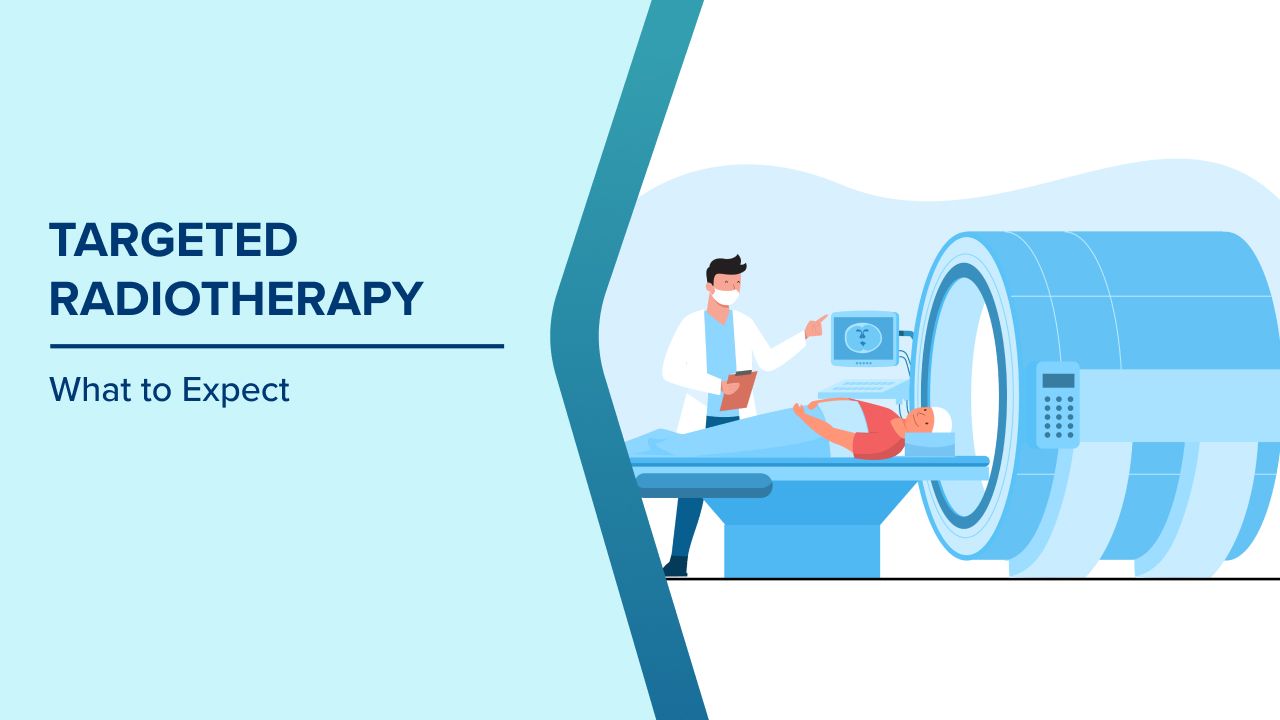
Cancer treatment today is no longer a one-size-fits-all approach. With advances in precision oncology, doctors can now tailor therapies based on tumour behaviour, location, stage, and patient health status. One such advancement is targeted radiotherapy, a highly focused form of radiation treatment designed to deliver radiation precisely where it is needed while limiting exposure to surrounding healthy tissues.
However, not every patient automatically qualifies for targeted radiotherapy. Eligibility depends on multiple medical, anatomical, and practical factors. Understanding who the right candidate is helps patients make informed decisions and discuss suitable options with their oncology team.
What Is Targeted Radiotherapy?
Targeted radiotherapy refers to modern radiation techniques that use advanced imaging, computer-guided planning, and precision delivery systems to concentrate radiation beams accurately on tumour tissue. Unlike conventional broad-field radiation, this approach aims to optimise tumour control while minimising unintended tissue damage.
It is commonly considered in cancers where precision matters significantly, particularly when tumours are located near critical organs.
Key Eligibility Factors for Targeted Radiotherapy
Determining candidacy involves a detailed evaluation by a radiation oncologist. The following factors play a crucial role.
Type of Cancer
Certain cancers are more suitable for targeted radiotherapy due to their biological behaviour and response to radiation. These commonly include:
- Early-stage lung cancer
- Prostate cancer
- Brain tumours
- Liver tumours
- Pancreatic tumours
- Head and neck cancers
- Spinal tumours
- Oligometastatic disease
The decision is based on whether the tumour is localised and whether focused radiation can effectively control it.
Tumour Size and Location
Precision radiation works best when:
- The tumour is well-defined on imaging
- The tumour margins are clearly identifiable
- The tumour is relatively small to moderate in size
- The tumour is located close to sensitive structures where protection is essential
For example, tumours near the spinal cord, optic nerves, heart, or bowel may benefit from highly targeted planning to avoid complications.
Very large or diffusely spread tumours may not always be ideal candidates unless used for symptom control.
Stage of Cancer
Targeted radiotherapy may be recommended in:
- Early-stage cancers: Where the tumour is confined to one area and can be treated with curative intent.
- Locally advanced cancers: Where radiation is part of a combined treatment strategy.
- Selected metastatic cases: In patients with limited metastatic spread, precision radiation may help control specific lesions.
However, widespread metastatic disease may require systemic therapies as the primary treatment.
Previous Radiation Exposure
Patients who have previously received radiation to the same body area require careful evaluation. Re-irradiation is complex and must consider:
- Total cumulative radiation dose
- Time interval since prior treatment
- Tissue tolerance limits
- Risk of long-term complications
In some carefully selected cases, targeted radiotherapy may still be possible due to its precision planning capabilities.
Overall Health and Performance Status
A patient’s general physical condition is essential when determining eligibility. Doctors assess:
- Ability to lie still during treatment sessions
- Lung and heart function
- Kidney and liver function
- Nutritional status
- Existing comorbidities
Patients with severe frailty or unstable medical conditions may require treatment modifications.
Imaging and Diagnostic Clarity
High-quality imaging, such as MRI, CT, or PET scans, is necessary for precise treatment planning. If tumour boundaries cannot be clearly identified, targeted radiotherapy may not be ideal.
Accurate tumour mapping is essential for safe delivery.
Treatment Goals: Curative vs Palliative Intent
Eligibility also depends on the treatment objective.
- Curative intent: When the goal is complete tumour eradication.
- Disease control: To prevent progression in specific sites.
- Symptom relief: To reduce pain, bleeding, or obstruction.
Targeted radiotherapy may be used in all three scenarios, but patient selection criteria differ accordingly.
Multidisciplinary Tumour Board Decision
Modern cancer care relies on collaborative decision-making. A tumour board typically includes:
- Radiation oncologists
- Medical oncologists
- Surgical oncologists
- Radiologists
- Pathologists
The team reviews:
- Tumour biology
- Genetic markers
- Imaging reports
- Previous treatments
- Patient preferences
This ensures that targeted radiotherapy is offered only when it provides a clear clinical benefit.
Situations Where Targeted Radiotherapy May Not Be Suitable
Not every patient qualifies. It may not be ideal if:
- The tumour is too large for focused dosing
- The cancer has spread extensively throughout the body
- The patient cannot maintain the required positioning during sessions
- Organ function is severely compromised
- Imaging fails to clearly define tumour margins
In such cases, alternative treatments may be more appropriate.
Special Considerations in Elderly Patients
Age alone is not a barrier. Many older adults tolerate targeted radiotherapy well. However, doctors carefully evaluate:
- Functional independence
- Frailty score
- Cognitive ability
- Social support
Individual assessment is far more important than chronological age.
Psychological and Practical Readiness
Treatment planning also considers practical factors:
- Ability to attend multiple sessions
- Access to transportation
- Emotional readiness
- Support system availability
Clear communication between the patient and oncology team plays a vital role in successful treatment.
Personalised Medicine and Biomarker Testing
Although radiotherapy primarily works on physical tumour targeting, molecular profiling increasingly influences treatment decisions. In some cancers, genetic features may determine whether radiation alone is sufficient or should be combined with other therapies.
This personalised approach ensures the right patient receives the right treatment at the right time.
Questions to Ask Your Radiation Oncologist
Patients considering targeted radiotherapy may ask:
- What are the realistic goals of this treatment?
- Is this intended to cure or control the cancer?
- Are there alternative options available?
- What short-term and long-term effects should I expect?
- How will my response be monitored?
Open discussions improve clarity and confidence.
The Importance of Individual Assessment
There is no universal checklist that applies to every patient. Eligibility for targeted radiotherapy depends on a careful balance of tumour characteristics, medical history, technical feasibility, and patient preference.
A thorough evaluation ensures that precision treatment delivers meaningful benefit rather than unnecessary risk.
Conclusion
Targeted radiotherapy represents an important advancement in modern oncology, but careful patient selection is essential. Tumour size, location, stage, prior treatments, overall health, and treatment goals all influence eligibility.
Rather than assuming suitability, patients should undergo detailed evaluation and multidisciplinary review. When offered to the right candidate, targeted radiotherapy can become a valuable part of a personalised cancer treatment strategy.
Frequently Asked Questions
How long does it take to determine eligibility for targeted radiotherapy?
The evaluation process may take several days to weeks, as imaging, planning scans, and multidisciplinary discussions are required before final approval.
Can targeted radiotherapy be combined with systemic therapy?
Yes, in selected cases, it may be integrated with chemotherapy, hormonal therapy, or other systemic treatments depending on cancer type and stage.
Does targeted radiotherapy require hospital admission?
Most treatments are delivered on an outpatient basis, and hospital admission is rarely required unless other medical issues arise.
Can patients with implants or medical devices receive targeted radiotherapy?
It depends on the type and location of the implant. Special planning precautions may be necessary to ensure safety.
What happens if a patient is found unsuitable after evaluation?
If targeted radiotherapy is not appropriate, the oncology team will discuss alternative evidence-based treatment strategies tailored to the patient’s condition.
Written and Verified by:

Related Blogs


Dr. Charu Garg In Radiation Oncology , Cancer Care / Oncology , Breast Cancer
Sep 20 , 2017 | 3 min read
Blogs by Doctor
Radiation Oncology: Its Role in Cancer Treatment
Dr Shizan Pervez In Radiation Oncology , Cancer Care / Oncology
Oct 23 , 2025 | 5 min read
Most read Blogs


Related Blogs
Dr. Charu Garg In Radiation Oncology , Cancer Care / Oncology , Breast Cancer
Sep 20 , 2017 | 3 min read
Blogs by Doctor
Radiation Oncology: Its Role in Cancer Treatment
Dr Shizan Pervez In Radiation Oncology , Cancer Care / Oncology
Oct 23 , 2025 | 5 min read
Most read Blogs