 WhatsApp Us (24/7)
 +91 926 888 0303 (24/7)


To Book an Appointment
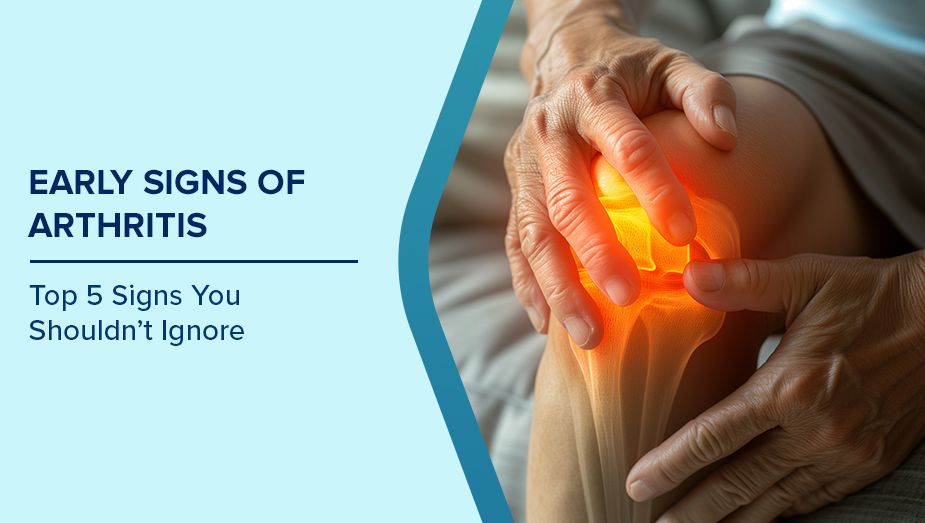
Call Us+91 926 888 0303Early Signs of Arthritis: Top 5 Signs You Shouldn’t Ignore
By Dr Kuldeep Malik in Orthopaedics & Joint Replacement , Arthroscopy & Sports Injury
Oct 22 , 2025 | 5 min read

Joint discomfort is often brushed aside as a normal part of ageing or fatigue. However, when these signs appear persistently, they could point to something deeper: arthritis, a condition that affects the joints and can gradually impact mobility and quality of life.
Arthritis does not develop overnight. It often begins with mild, overlooked symptoms that progress slowly. Recognising these early signals helps in managing the condition before permanent damage sets in. With the right awareness and early care, it is possible to maintain healthy, flexible joints and continue an active lifestyle.
Here are the five most common early signs of arthritis that should never be ignored.
Persistent Joint Pain
Aching joints are among the earliest and most noticeable symptoms of arthritis. The pain may start mildly and appear after long periods of activity, or it may arise even during rest.
Many people describe this pain as dull, throbbing, or a feeling of heaviness around the affected joint. It may worsen at night or early morning when the body is inactive. Unlike pain caused by an injury, arthritis-related discomfort tends to linger and may come back in cycles.
Ignoring persistent joint pain can allow inflammation to progress and cause cartilage damage. Paying attention early on and seeking a medical opinion ensures timely management and prevents further deterioration.
Stiffness and Reduced Flexibility
Another classic early sign of arthritis is joint stiffness, especially after waking up or sitting still for some time. This stiffness may last for several minutes and can make simple actions like bending the knees, opening jars, or turning doorknobs difficult.
Arthritis affects the smooth movement of joints by causing inflammation and thickening of the joint lining. Over time, this restricts the joint’s flexibility and range of motion.
Simple stretching exercises, maintaining movement throughout the day, and avoiding prolonged inactivity can help ease stiffness. However, persistent stiffness should always be assessed to determine whether arthritis is developing.
Swelling or Inflammation Around the Joints
Swelling is a visible and tangible sign that the joint is inflamed. It may appear puffy, tender, or warm to the touch. In some cases, the affected area might also look red or feel slightly firm.
This swelling results from fluid buildup and inflammation inside the joint capsule. While minor swelling may come and go, continuous or recurrent inflammation can signal the onset of arthritis.
Unchecked swelling can lead to gradual joint damage, so it’s important not to ignore these changes. Applying cold compresses for relief and maintaining a healthy diet rich in anti-inflammatory foods can help support joint comfort, but medical guidance is key.
Clicking or Grinding Sensation
When the cartilage, the smooth tissue that cushions joints, begins to wear down, the bones may rub against each other, creating a clicking, popping, or grinding sound during movement.
This sensation, medically referred to as “crepitus,” is common in arthritis and may occur in the knees, shoulders, or hands. It is often accompanied by mild discomfort or stiffness.
Although occasional joint sounds can occur naturally, frequent or painful clicking should not be dismissed. It could indicate early joint surface changes that benefit from timely evaluation. Maintaining proper posture and avoiding unnecessary strain can help reduce this symptom.
Fatigue and General Discomfort
Arthritis is not only a joint problem; it can also affect the body as a whole. Many people experience unexplained tiredness, weakness, or general discomfort before joint symptoms become severe.
This happens because inflammation in the joints can trigger an overall feeling of exhaustion, even without intense activity. You may feel unusually tired, lack energy, or find it harder to perform daily routines.
Taking care of your sleep routine, staying hydrated, and managing stress are simple ways to combat fatigue. However, if tiredness is persistent along with joint pain or stiffness, it is advisable to get checked for early arthritis.
When to Seek Medical Help
Early medical evaluation can make a major difference in managing arthritis. You should consult a doctor if you notice:
- Persistent joint pain lasting more than a few weeks
- Morning stiffness that takes time to ease
- Visible swelling, warmth, or redness around joints
- Clicking or cracking noises with discomfort
- General fatigue or weakness
Timely assessment can help identify the exact type of arthritis and prevent long-term joint damage.
Ways to Support Joint Health Naturally
While medical management is crucial for diagnosed arthritis, adopting healthy daily habits can help reduce the risk and support joint wellness.
Stay Active
Gentle physical activities like walking, swimming, and yoga keep joints flexible and strengthen surrounding muscles.
Maintain a Balanced Diet
Include foods rich in antioxidants, calcium, and omega-3 fatty acids, such as leafy greens, seeds, and fish, to support joint tissue health.
Manage Body Weight
Extra body weight adds stress on weight-bearing joints like knees and hips, increasing discomfort and risk of damage.
Prioritise Rest
Adequate rest and sleep help the body recover and manage inflammation more effectively.
Protect Your Joints
Use proper posture and ergonomic aids while working or exercising. Avoid repetitive strain and heavy lifting that can irritate joints.
By making these changes, you create a foundation for long-term joint strength and flexibility.
Conclusion
Arthritis may start silently, but its early signs speak loudly when you pay attention. Recognising joint pain, stiffness, swelling, unusual sounds, and fatigue early can help prevent the condition from advancing.
Listening to your body and acting quickly ensures that your joints remain active and pain-free for years to come. Early awareness, lifestyle adjustments, and timely medical attention together form the best defence against arthritis.
FAQs
Can arthritis affect young adults?
Yes, arthritis is not limited to older adults. Certain types, such as autoimmune or injury-related arthritis, can appear in younger individuals, too.
Are all joint pains caused by arthritis?
Not necessarily. Temporary pain may result from overuse, injuries, or muscle strain. Persistent discomfort, however, should be checked for arthritis.
How can I tell if my joint stiffness is serious?
If stiffness lasts for more than a few minutes after waking up or resting, and occurs regularly, it may indicate early arthritis.
What daily habits can protect my joints?
Regular movement, a healthy diet, good posture, and maintaining an ideal weight all help reduce strain on joints and support long-term health.
Can lifestyle changes stop arthritis from developing?
They can significantly reduce the risk and slow down its progression. Staying active, eating well, and getting early medical advice are key.
Should I continue exercising if my joints hurt?
Gentle, low-impact exercises can actually ease joint stiffness and pain. However, it’s best to seek guidance to avoid overexertion.
Written and Verified by:

Related Blogs


Dr. Ashish Jain In Orthopaedics & Joint Replacement
Nov 07 , 2020 | 1 min read
Blogs by Doctor

Knee Replacement Myths vs Facts: What You Really Need to Know
Dr Kuldeep Malik In Orthopaedics & Joint Replacement
Sep 28 , 2025 | 1 min read

Most read Blogs


Related Blogs
Dr. Ashish Jain In Orthopaedics & Joint Replacement
Nov 07 , 2020 | 1 min read
Blogs by Doctor
Knee Replacement Myths vs Facts: What You Really Need to Know
Dr Kuldeep Malik In Orthopaedics & Joint Replacement
Sep 28 , 2025 | 1 min read
Most read Blogs