 WhatsApp Us (24/7)
 +91 926 888 0303 (24/7)


To Book an Appointment
Call Us+91 926 888 0303What Triggers Ear Infections (Otitis Media) and How to Treat Them
By Dr. Ravinder Gera in ENT(Ear Nose Throat)
Jan 06 , 2026 | 9 min read
2

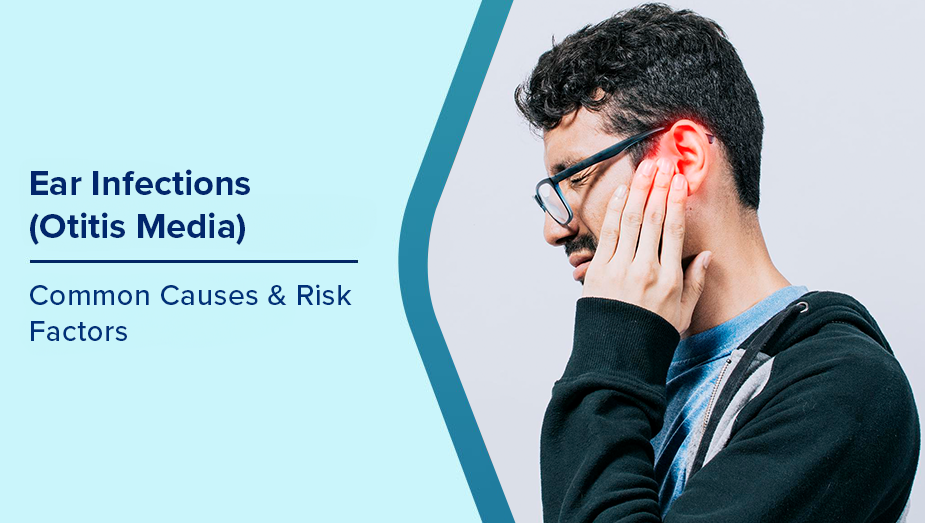
Ear infection is often seen as a paediatric issue as it is more common in children, but it can affect people of all ages. These infections can develop unexpectedly, sometimes making simple activities like chewing or lying down an uphill task. While most ear infections are manageable, understanding how to address them promptly is essential for preventing complications. To help, in this article, we’ll walk you through all you need to know about ear infections. Let's start with some basics.
What is an Ear Infection (Acute Otitis Media)?
An ear infection, medically known as “Otitis Media”, occurs when the middle ear becomes inflamed due to fluid buildup behind the eardrum. The middle ear cavity, which is typically filled with air, can become a breeding ground for bacteria or viruses, leading to infections. While ear infections often resolve on their own, some cases may require medical intervention.
The cause of this condition can vary, but they often involve blockages or malfunctions in the Eustachian tube — a small canal that connects the middle ear to the back of the nose. When this tube is blocked or doesn’t drain properly, it creates an ideal environment for germs to grow.
What are the Symptoms of an Ear Infection?
Ear infections can make their presence known in a variety of ways, with symptoms often depending on the severity of the condition. Here’s a list of the most common symptoms:
- Ear Pain or Discomfort: Can range from a mild ache to sharp, stabbing pain.
- Fullness or Pressure in the Ear: A sensation of blockage or congestion in the ear.
- Hearing Difficulties: Muffled or reduced hearing due to fluid build-up.
- Fluid Discharge: Clear, yellow, or bloody fluid may drain from the ear in some cases.
- Irritability or Restlessness: Common in children, often accompanied by unexplained crying.
- Difficulty Sleeping: Lying down can worsen the pressure, making it hard to sleep.
- Ear Tugging or Pulling (in Children): A common behaviour in children trying to ease ear discomfort.
- Ringing sensation in the ears : A bell like ringing sound in the ear
What Causes an Ear Infection?
An ear infection occurs when the middle ear becomes inflamed due to the presence of bacteria, viruses, or trapped fluid. Here are some of the key causes of ear infections:
- Bacterial Infections: Certain bacteria, such as Streptococcus pneumoniae and Haemophilus influenzae, can infect the middle ear.
- Viral Infections: Colds, flu, and upper respiratory infections often trigger ear infections as viruses can spread to the ear.
- Eustachian Tube Blockage: Allergies, sinus infections, or swelling of the nasal passages can cause the Eustachian tube to swell, trapping fluid in the middle ear.
- Changes in Air Pressure: Sudden pressure changes, like during flights or diving, can affect ear drainage, increasing the risk of infection.
- Excess Mucus Production: Excess mucus from a cold or allergy can back up into the ear, encouraging bacterial growth.
What are the Risk Factors for Ear Infections?
Certain conditions, behaviours, and lifestyle factors can increase the likelihood of developing an ear infection. Knowing these risk factors can help in taking preventive measures to reduce the chances of an ear infection. Here are some of the most common risk factors:
- Age: Young children, especially those under 5, are more prone to ear infections due to smaller, less developed Eustachian tubes.
- Daycare or Group Settings: Children in daycare or playgroups are more exposed to colds and infections, increasing the risk of ear infections.
- Allergies: Allergic reactions can cause swelling in the nasal passages, leading to Eustachian tube blockage.
- Exposure to Tobacco Smoke: Breathing in second-hand smoke irritates the nasal and ear passages, making infections more likely.
- Family History: If close family members have a history of frequent ear infections, the likelihood of experiencing them increases.
- Weakened Immune System: People with weaker immune systems are less capable of fighting off the bacteria or viruses that cause infections.
- Seasonal Changes: Colder months often bring an increase in respiratory infections, which can increase the chances of ear infections.
- Bottle Feeding (in Infants): Babies fed while lying down are more likely to develop ear infections as milk can enter the Eustachian tube.
Being aware of these risk factors allows for better prevention strategies, reducing the chance of developing an ear infection.
How is an Ear Infection Treated?
Treating an ear infection depends on the severity of the condition and the individual’s age and overall health. Here are the common treatment options for ear infections:
- Watchful Waiting: In mild cases, doctors may recommend waiting for a few days to see if the infection clears up naturally, especially for older children and adults.
- Pain Relievers: Over-the-counter pain medications, like paracetamol or ibuprofen, help manage pain and reduce inflammation.
- Antibiotic Treatment: If the infection is bacterial and doesn’t resolve on its own, doctors may prescribe antibiotics to eliminate the infection.
- Ear Drops: Ear drops that can contain antibiotics may be prescribed to relieve pain and reduce swelling.
- Surgical Drainage (Myringotomy): In severe cases, a small surgical procedure may be done to drain fluid from the middle ear.
- Ear Tubes (in Chronic Cases): For people with recurrent ear infections, a small tube may be inserted into the eardrum to prevent fluid buildup.
What are the Complications of Ear Infections?
While most ear infections resolve without lasting effects, some can lead to certain complications ranging from temporary discomfort to long-term damage. Here are some potential complications associated with ear infections:
- Hearing Loss: Fluid buildup in the middle ear can temporarily affect hearing, but if infections become chronic or severe, it may cause permanent hearing loss.
- Speech or Developmental Delays (in Children): Prolonged hearing issues in young children may impact speech and language development.
- Ruptured Eardrum: Excessive pressure from fluid buildup can cause the eardrum to tear, leading to pain, drainage, and temporary hearing loss.
- Chronic Otitis Media: Repeated ear infections or fluid that remains trapped in the ear for extended periods can result in chronic inflammation, which may require medical or surgical intervention.
- Mastoiditis: Infection from the middle ear can spread to the mastoid bone (located behind the ear), causing swelling, redness, and pain. This condition requires urgent medical attention.
- Meningitis: In rare cases, the infection can spread to the tissues around the brain and spinal cord, leading to meningitis — a life-threatening condition.
- Facial Paralysis: If the infection affects the nerves in and near the ear, it could lead to temporary facial weakness or paralysis.
- Spread of Infection: Infections that are not treated can spread to nearby tissues, including the bones of the skull or, in severe cases, to the brain.
Home Remedies for Ear Pain
Dealing with ear pain can be uncomfortable, but some simple home remedies may provide relief before professional treatment is required. These remedies can help soothe pain, reduce inflammation, and improve overall comfort. Here are some effective home remedies for ear pain:
- Warm Compress: Placing a warm cloth or heating pad on the affected ear can reduce pain and improve blood flow.
- Olive Oil Drops: A few drops of warm olive oil in the ear may provide a soothing effect and ease pain.
- Steam Inhalation: Inhaling steam can relieve nasal congestion, which may improve ear drainage.
- Garlic Oil: Garlic has natural antimicrobial properties, and garlic-infused oil may help alleviate ear pain.
- Over-the-Counter Pain Relievers: Medications like paracetamol or ibuprofen can ease pain and reduce inflammation.
- Stay Upright: Sitting upright instead of lying down can prevent pressure buildup in the ears, reducing discomfort.
Prevention Tips for Ear Infections
Preventing ear infections is often easier than treating them. By making a few lifestyle changes and taking certain precautions, you can significantly reduce the likelihood of developing an infection. Here are some practical prevention tips to protect ear health:
- Practice Good Hygiene: Wash hands frequently to prevent the spread of germs that can cause respiratory infections leading to ear infections.
- Avoid Second-hand Smoke: Keep children and adults away from tobacco smoke, as it irritates the nasal passages and increases infection risk.
- Keep Ears Dry: After swimming or bathing, ensure the ears are thoroughly dried to prevent moisture from promoting bacterial growth.
- Breastfeed Infants (if possible): Breast milk strengthens the immune system, reducing the risk of ear infections in babies.
- Vaccinate Against Respiratory Infections: Ensure timely vaccinations like the flu shot and pneumococcal vaccine to prevent infections that could spread to the ear.
- Manage Allergies: Address allergies that cause nasal swelling, as this can block the Eustachian tube, increasing the risk of infection.
- Limit Pacifier Use (for Infants): Prolonged use of pacifiers may increase the risk of ear infections in young children.
- Encourage Upright Feeding for Infants: Feeding babies in an upright position prevents milk from flowing into the Eustachian tube.
When to See a Doctor
While some ear infections may clear up on their own, there are certain situations where it’s important to seek medical attention. Delaying treatment could lead to complications or prolonged discomfort. If you experience any of the following signs, it’s best to consult an ENT doctor:
- Severe or Persistent Pain: If ear pain is intense, lasts for more than two days, or worsens over time, it’s a sign that medical help is needed.
- High Fever: A fever above 38°C (100.4°F), especially in children, may indicate a more serious infection.
- Hearing Loss or Muffled Hearing: If your hearing doesn’t improve after a few days, it could point to fluid buildup or more serious issues.
- Fluid Discharge from the Ear: Pus, blood, or any fluid leaking from the ear should be checked by a doctor, as it could be a sign of a ruptured eardrum.
- Swelling or Redness Around the Ear: Swelling, redness, or warmth around the ear could indicate a more severe infection that requires immediate attention.
- Recurring Infections: If ear infections keep coming back, it may be a sign of an underlying issue that needs to be addressed.
- Dizziness or Balance Issues: If you experience dizziness, nausea, or balance problems, it could be a sign of a more serious inner ear problem.
Conclusion
Ear infections can be uncomfortable, but with timely care and the right treatment, they are often easy to manage. If you or a loved one is experiencing persistent ear pain, hearing issues, or any other concerning signs, don’t wait for it to worsen. Consult with the expert ENT specialists at Max Hospitals for prompt diagnosis and effective treatment.
Frequently Asked Questions about Ear Infections
Q. Why are children more likely to get ear infections than adults?
Children have smaller, more horizontal Eustachian tubes, which makes it easier for fluid to get trapped and for bacteria or viruses to grow.
Q. What should I do if my child gets an ear infection?
Offer pain relief with warm compresses or over-the-counter medication, steam inhalation and monitor symptoms. If pain persists, consult a healthcare provider.
Q. When can my child return to normal daily activities after an ear infection?
Children can return to normal activities once pain and fever subside, typically within a few days of treatment or recovery.
Q. Do I need to cover my child’s ears if they go outside with an ear infection?
No, but keeping their ears warm in cold weather can provide comfort. It is not essential for healing.
Q. Can my child go swimming with an ear infection?
It’s best to avoid swimming until the infection clears to prevent water from entering the ear and worsening the condition.
Q. Can I travel by air or visit high altitudes if I have an ear infection?
It’s not recommended, as changes in air pressure can cause pain or worsen the infection. Consult a healthcare provider if travel is unavoidable.
Written and Verified by:

Related Blogs


Dr. Ravinder Gera In ENT(Ear Nose Throat)
Nov 08 , 2020 | 2 min read
Blogs by Doctor
If You Could Make Your Deaf Child Hear, What Would You do? Get a Cochlear Implant?
Dr. Ravinder Gera In ENT(Ear Nose Throat)
Nov 08 , 2020 | 2 min read

What is Cochlear Implant: Eligibility, Pre-Surgery & Complications
Aug 27 , 2024 | 1 min read
Most read Blogs


Related Blogs
Dr. Ravinder Gera In ENT(Ear Nose Throat)
Nov 08 , 2020 | 2 min read
Blogs by Doctor
If You Could Make Your Deaf Child Hear, What Would You do? Get a Cochlear Implant?
Dr. Ravinder Gera In ENT(Ear Nose Throat)
Nov 08 , 2020 | 2 min read
What is Cochlear Implant: Eligibility, Pre-Surgery & Complications
Aug 27 , 2024 | 1 min read
Most read Blogs