 WhatsApp Us (24/7)
 +91 926 888 0303 (24/7)


To Book an Appointment
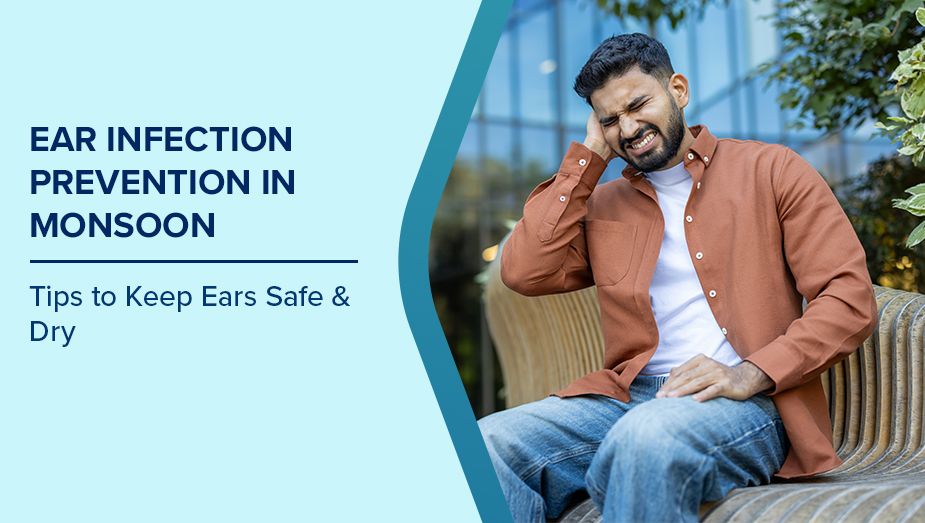
Call Us+91 926 888 0303Ear Infection Prevention in Monsoon: Tips to Keep Ears Safe & Dry
By Dr. Sumit Mrig in ENT , ENT(Ear Nose Throat)
Jan 06 , 2026 | 3 min read

When monsoon showers arrive, they bring a welcome break from the scorching heat. But hidden behind the cool breeze and cloudy skies are silent health threats, especially for your ears. Moisture-loving bacteria and fungi thrive in humid monsoon weather, making ear infections more common than you might expect. Many people don’t realise that water trapped in the ears or poor ear hygiene during rainy days can lead to pain, itching, or even temporary hearing loss.
Why Are Ear Infections More Common During Monsoon?
The monsoon season increases moisture levels in the air, which can lead to water getting trapped in the ear canal after showers, swimming, or even while walking in heavy rain. This creates the perfect environment for bacteria and fungi to multiply. The result? Painful ear infections that can cause itching, discharge, temporary hearing loss, or even fever.
Children, the elderly, and individuals with pre-existing health conditions, such as diabetes, are particularly susceptible to ear infections during the rainy season. That’s why it’s important to learn how to avoid ear infections during monsoon by maintaining good ear hygiene and taking simple precautions.
Top Ear Care Tips for Rainy Season
Here are some practical steps to keep your ears infection-free:
- Keep Ears Dry: Always dry your ears gently with a soft towel after exposure to rain or water activities.
- Use Earplugs: If you know you’ll be outdoors during heavy rain or going for a swim, wear waterproof earplugs to prevent water from entering your ears.
- Avoid Using Cotton Buds Excessively: Many people attempt to clean their ears with cotton buds, but this can push dirt and wax deeper or even cause injury to the ear canal. Instead, clean only the outer ear.
- Maintain Overall Hygiene: Wash your hands regularly to prevent transferring germs to your ears while touching or scratching them.
- Treat Allergies Promptly: Allergies can cause nasal congestion, which may lead to fluid buildup and ear infections. If you have a cold or allergy symptoms, seek treatment early.
- Avoid Inserting Objects: Never insert pins, hair clips, or other objects into your ear canal. They can cause small cuts, making it easier for infections to develop.
Healthy Ear Hygiene in Rainy Weather
Maintaining ear hygiene during the monsoon season is crucial for preventing infections. Follow these additional ear hygiene tips in rainy weather:
- Regularly Clean Outer Ears: Use a damp cloth to wipe the outer ear gently and keep it free from dirt.
- Avoid Prolonged Earphone Use: Earphones can trap moisture inside the ear canal, creating an environment ideal for bacteria. Limit earphone use and always clean them before use.
- Manage Earwax Carefully: Earwax helps protect your ears from infections. Unless advised by a doctor, don’t try to remove it completely.
- Stay Away from Polluted Rainwater: Splashing through puddles or walking in polluted rainwater can expose you to harmful bacteria. Try to avoid direct contact with dirty rainwater.
When to See a Doctor for Ear Issues
Despite taking precautions, you might still develop an ear infection. Look out for these signs:
- Severe ear pain or discomfort
- Pus or fluid draining from the ear
- Hearing loss or a feeling of fullness in the ear
- Dizziness or balance issues
- Fever with ear pain
If you notice any of these symptoms, see a doctor immediately. Early treatment can prevent complications and restore your ear health quickly.
Conclusion
With simple habits and a few precautions, you can enjoy the monsoon season without worrying about painful ear infections. Prioritising ear care during rainy weather helps protect your hearing and overall health, especially when humidity is at its peak. Remember, your ears are delicate, and small preventive steps go a long way in keeping them healthy.
Frequently Asked Questions
Can humidity alone cause ear infections during the rainy season?
Humidity itself doesn’t directly cause infection, but it increases moisture, which can lead to bacterial or fungal growth in your ears.
Is it safe to swim during monsoon if I have a history of ear infections?
It’s better to avoid swimming or always use waterproof earplugs to keep your ears dry and protected.
How can I tell if my child has an ear infection?
Look for signs like tugging at the ear, irritability, fever, crying more than usual, or fluid coming from the ear.
Should I use ear drops to prevent ear infections in the monsoon?
Never use ear drops without a doctor’s recommendation, as improper use can worsen problems or cause irritation.
How long does an ear infection usually last if treated properly?
Most ear infections start to improve within a few days of treatment and resolve completely in one to two weeks with proper care.
Written and Verified by:

Related Blogs

Feb 19 , 2024 | 2 min read

Feb 20 , 2024 | 1 min read
Blogs by Doctor

Get Rid Of Tonsils Through Coblation Technique in ENT
Dr. Sumit Mrig In ENT(Ear Nose Throat)
Nov 08 , 2020 | 1 min read

Few Tips to Prevent Ear Wax Blockage
Dr. Sumit Mrig In ENT(Ear Nose Throat)
Aug 01 , 2017 | 1 min read
Most read Blogs


Related Blogs
Feb 19 , 2024 | 2 min read
Feb 20 , 2024 | 1 min read
Blogs by Doctor
Get Rid Of Tonsils Through Coblation Technique in ENT
Dr. Sumit Mrig In ENT(Ear Nose Throat)
Nov 08 , 2020 | 1 min read
Few Tips to Prevent Ear Wax Blockage
Dr. Sumit Mrig In ENT(Ear Nose Throat)
Aug 01 , 2017 | 1 min read
Most read Blogs