 WhatsApp Us (24/7)
 +91 926 888 0303 (24/7)


To Book an Appointment
Call Us+91 926 888 0303Robotic Endometriosis Surgery: How Robot-Assisted Excision Is Transforming Treatment for Women’s Pelvic Health
By Dr. Ankita Chandna in Laparoscopic / Minimal Access Surgery , Obstetrics And Gynaecology , Robotic Surgery , Gynaecologic Laparoscopy
Jan 04 , 2026 | 5 min read

Endometriosis can be one of the most painful and frustrating conditions women face. For many, the journey to relief is long and filled with recurring symptoms, complex surgeries, and multiple treatments. But medical innovation is opening a new path to better outcomes. Robotic Endometriosis Surgery is transforming the way specialists treat this condition by combining advanced technology with surgical precision.
This minimally invasive procedure is helping women regain control over their health, reduce pain, and experience faster recovery compared to traditional methods.
Understanding Endometriosis
Endometriosis is a chronic condition in which tissue similar to the lining of the uterus (endometrium) grows outside it. These growths can be found on the ovaries, fallopian tubes, pelvic walls, and even the bladder or intestines. The tissue responds to hormonal changes during the menstrual cycle, leading to inflammation, pain, scarring, and, in some cases, infertility.
Common symptoms include:
- Severe menstrual cramps
- Pain during intercourse
- Pelvic or lower back pain
- Heavy bleeding
- Bloating and digestive discomfort
- Difficulty conceiving
Early diagnosis and advanced treatment can significantly improve quality of life and fertility outcomes.
What is Robotic Endometriosis Surgery?
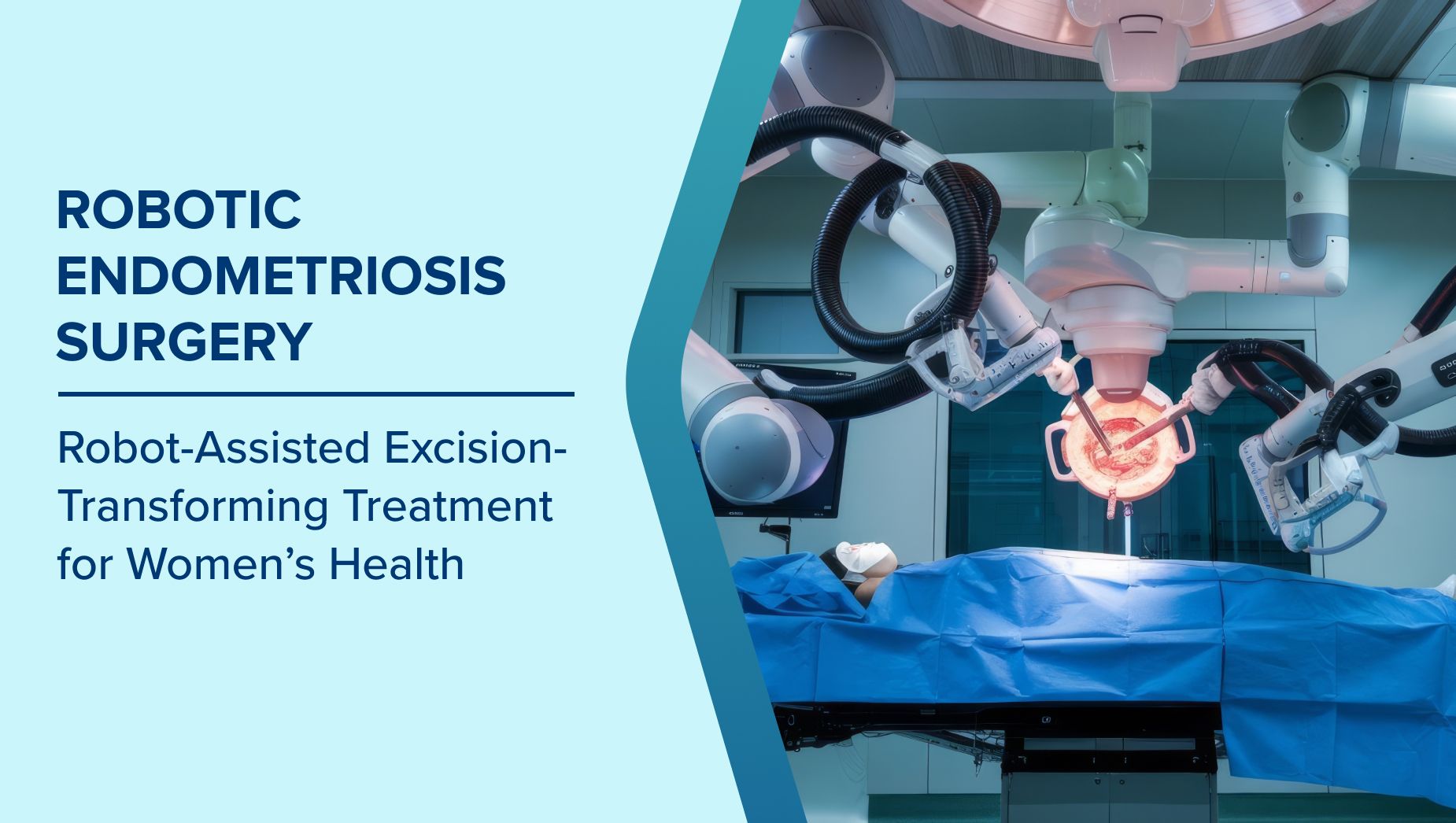
Robotic Endometriosis Surgery, also known as robot-assisted laparoscopic excision, uses advanced robotic systems such as the da Vinci Surgical System to remove endometrial tissue with greater precision.
During the procedure, small incisions are made in the abdomen. A camera and fine instruments controlled by a surgeon from a robotic console are inserted through these incisions. The robot translates the surgeon’s hand movements into highly precise micro-movements, allowing access to deep or delicate areas that are difficult to reach through traditional laparoscopy.
The result is improved visualisation, reduced tissue trauma, and a more thorough removal of endometrial implants.
Why Surgeons Prefer Robotic-Assisted Excision
Robotic surgery offers several clinical and technical advantages that make it ideal for complex endometriosis cases, especially deep infiltrating endometriosis (DIE).
Key Advantages Include:
- Enhanced precision and control: The robot’s flexible instruments mimic wrist movements, offering superior dexterity.
- High-definition 3D visualisation: The magnified view helps surgeons identify and remove tiny endometrial lesions with accuracy.
- Minimal tissue damage: Smaller incisions mean less trauma to surrounding organs.
- Better access to difficult areas: Robotic arms can safely reach deep pelvic spaces.
- Reduced blood loss and postoperative pain: Patients recover faster with fewer complications.
- Improved fertility preservation: Precision helps avoid damage to reproductive structures.
How Robotic Surgery Differs from Conventional Laparoscopy
While both robotic and laparoscopic surgeries are minimally invasive, the robotic approach offers higher precision and control. Traditional laparoscopy relies solely on the surgeon’s hand movements, which can be limited in tight or complex spaces. Robotic systems enhance the surgeon’s ability to navigate intricate anatomy, improving outcomes for advanced or recurrent endometriosis.
Who Can Benefit from Robotic Endometriosis Surgery
Robotic endometriosis surgery may be recommended for women who:
- Have severe or deep infiltrating endometriosis
- Have not responded to medications or conservative treatments
- Have recurring pain after previous surgeries
- Experience infertility due to endometrial growths
- Need fertility-preserving surgery
However, suitability depends on the patient’s age, symptoms, and overall health. A detailed consultation with a gynaecologist or minimally invasive surgeon is essential to determine the right approach.
What to Expect During the Procedure
The surgery is performed under general anaesthesia and typically lasts between two and four hours, depending on the complexity. Small incisions are made in the abdomen for inserting the camera and robotic arms. The surgeon operates from a nearby console, controlling the robotic instruments in real-time.
Once the endometrial tissue is carefully excised, the instruments are removed and the incisions are closed with minimal sutures. Most patients can go home within a day or two and return to normal activities within two weeks.
Recovery and Post-Surgery Care
Recovery from robotic endometriosis surgery is faster compared to open surgery. Here are some general guidelines:
- Mild discomfort or bloating may occur for a few days.
- Pain medication and antibiotics are prescribed to prevent infection.
- Most women return to work and to light activity within 1 to 2 weeks.
- Strenuous exercise should be avoided for at least a month.
- Regular follow-ups help monitor healing and detect any recurrence.
Maintaining a healthy lifestyle, managing stress, and following your doctor’s advice can support long-term recovery and fertility outcomes.
Benefits of Robotic Endometriosis Surgery
The popularity of robotic endometriosis surgery continues to grow because of its remarkable outcomes.
Top Benefits Include:
- Smaller incisions and minimal scarring
- Shorter hospital stay
- Lower risk of complications
- Enhanced precision and surgical control
- Faster recovery and improved comfort
- Better visualisation for complete lesion removal
- Preservation of fertility
Risks and Considerations
Although robotic surgery is considered safe, every surgical procedure carries some risks. Potential complications include infection, bleeding, injury to nearby organs, or reaction to anaesthesia. However, these risks are rare when the surgery is performed by an experienced robotic surgeon in a well-equipped facility.
Discuss all available treatment options with your healthcare provider to make an informed decision that suits your health goals.
The Future of Robotic Surgery in Endometriosis Care
As technology continues to evolve, robotic systems are becoming more intelligent and accessible. Emerging tools such as AI-assisted visualisation and 3D tissue mapping are expected to enhance surgical accuracy further.
For patients, this means shorter recovery times, fewer repeat surgeries, and improved quality of life. Robotic surgery is not just a medical advancement, it’s a step toward more personalised and precise women’s health care.
Conclusion
Robotic Endometriosis Surgery is reshaping the future of gynaecological treatment by combining surgical expertise with advanced technology. It offers greater precision, faster recovery, and improved patient comfort, especially for women with complex or recurring endometriosis.
If you’ve been struggling with persistent pelvic pain or infertility due to endometriosis, it might be time to discuss robotic-assisted surgery with your doctor. The future of women’s health is here and it’s powered by innovation, compassion, and precision.
Frequently Asked Questions
Is robotic endometriosis surgery more expensive than traditional methods?
Yes, robotic surgery can be more costly due to advanced technology and equipment, but it may reduce long-term expenses by minimising complications and repeat procedures.
Can robotic surgery improve fertility outcomes for women with endometriosis?
Yes, precise removal of lesions helps preserve reproductive organs, which may enhance fertility in many patients.
How soon after robotic surgery can I try to conceive?
This varies for each woman. Generally, doctors recommend waiting for at least two to three menstrual cycles before trying to conceive.
Are there any lifestyle changes needed after robotic surgery?
Adopting a balanced diet, regular exercise, and stress management techniques can support faster recovery and lower the risk of recurrence.
How do I choose the right surgeon for robotic endometriosis treatment?
Look for a board-certified gynaecologist or minimally invasive surgeon with extensive experience in robotic surgery and endometriosis management.
Written and Verified by:

Related Blogs


Dr. Pradeep Chowbey In Laparoscopic / Minimal Access Surgery
Nov 16 , 2020 | 1 min read
Blogs by Doctor

9 Useful Tips for Healthy Newborn Care
Dr. Ankita Chandna In Obstetrics And Gynaecology
Jun 09 , 2016 | 2 min read

Meditation Makes Your Pregnancy Smoother
Dr. Ankita Chandna In Obstetrics And Gynaecology
Jun 14 , 2016 | 2 min read
Most read Blogs


Related Blogs
Dr. Pradeep Chowbey In Laparoscopic / Minimal Access Surgery
Nov 16 , 2020 | 1 min read
Blogs by Doctor
9 Useful Tips for Healthy Newborn Care
Dr. Ankita Chandna In Obstetrics And Gynaecology
Jun 09 , 2016 | 2 min read
Meditation Makes Your Pregnancy Smoother
Dr. Ankita Chandna In Obstetrics And Gynaecology
Jun 14 , 2016 | 2 min read
Most read Blogs