 WhatsApp Us (24/7)
 +91 926 888 0303 (24/7)


To Book an Appointment
Call Us+91 926 888 0303Pneumonia: Understanding Causes, Symptoms, And Treatment
By Dr. Vivek Nangia in Pulmonology
Jan 05 , 2026 | 11 min read

Pneumonia is an infection that affects the air sacs in the lungs, making it difficult for the body to receive enough oxygen. Although it is a common illness, many people do not fully understand how it develops or why some cases become more serious than others.
Pneumonia can affect anyone, and its impact on the lungs happens quietly at first, which is why people often mistake it for a routine flu or chest infection. Understanding how pneumonia begins, how symptoms progress, and how treatment helps the lungs recover can make a significant difference to health outcomes.
What is Pneumonia
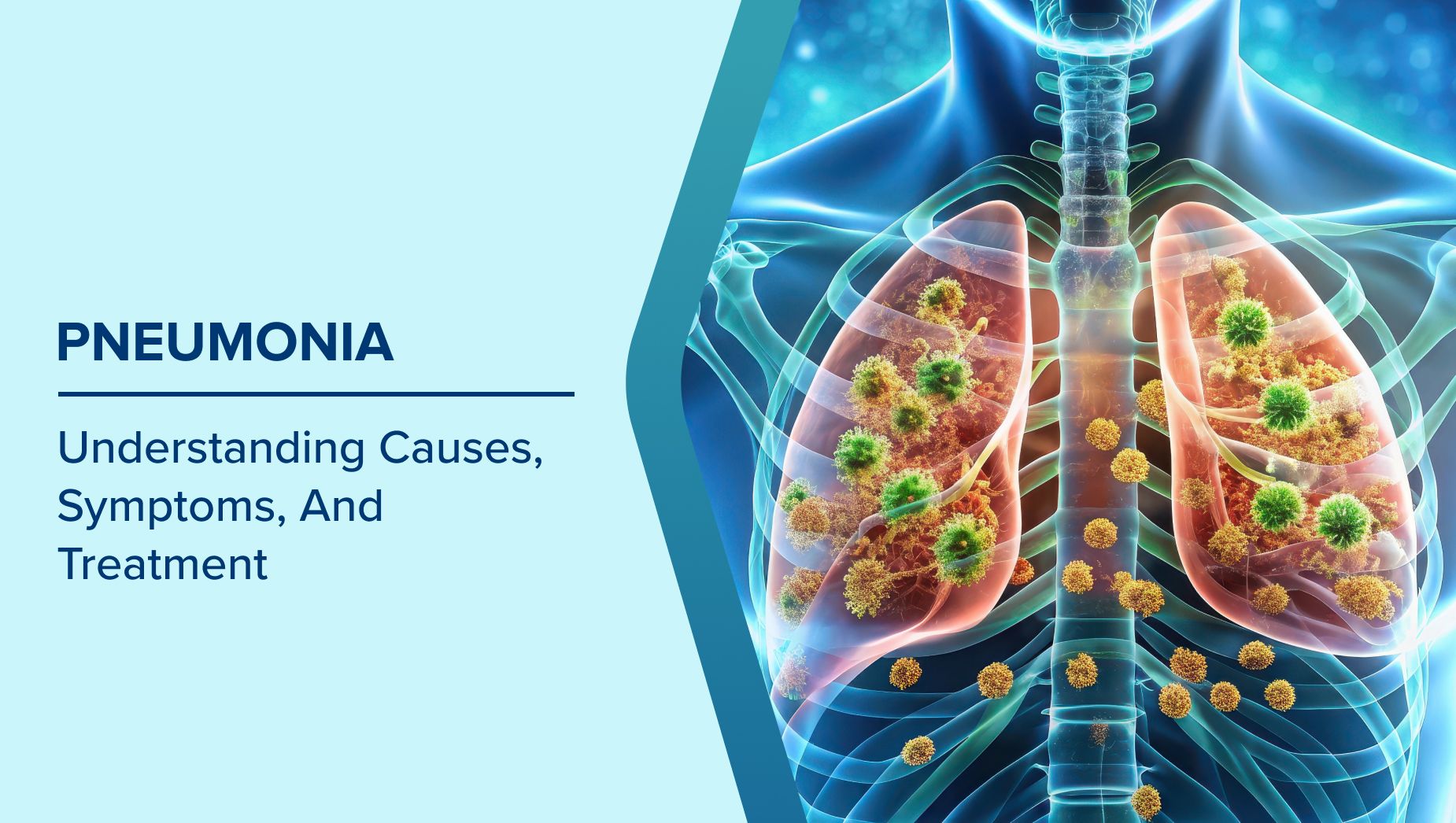
Pneumonia occurs when harmful germs enter the lungs and trigger inflammation. The lungs are designed to stay clean and moist so that oxygen can move easily into the bloodstream. When these germs settle in the air sacs, the body sends immune cells to fight the infection. This response causes the air sacs to fill with fluid or mucus. As a result, breathing becomes harder, and the lungs cannot work at full capacity.
The condition can involve a single part of one lung or affect both lungs. In some people, it progresses slowly, while in others, it becomes severe within a short period. The severity depends on different factors such as the type of germ involved, the person’s general health, hydration levels, and how quickly treatment begins.
How Pneumonia Develops Inside the Lungs
The lungs are home to a delicate network of airways that help move air in and out. When pneumonia begins, the infection irritates the inner lining of these airways. The immune system responds by producing fluid to fight the invaders, but this fluid also blocks normal airflow.
Several changes occur inside the lungs during pneumonia:
- Inflammation. The walls of the air sacs swell, reducing the space through which oxygen can pass.
- Fluid or mucus buildup. This makes breathing shallow and forces the lungs to work harder.
- Reduced oxygen exchange. Less oxygen reaches the bloodstream, causing tiredness and difficulty performing routine activities.
- Cough response becomes stronger. The body attempts to clear the airways by coughing, which can be painful or exhausting.
When the lungs struggle to exchange oxygen effectively, the body signals distress through various symptoms.
What Causes Pneumonia?
Pneumonia develops when infectious organisms invade the lungs and trigger inflammation within the air sacs (alveoli). These germs can enter the body through inhaled droplets, contact with contaminated surfaces, or by aspirating food, fluids, or saliva into the lungs. Once inside, they multiply and cause swelling and fluid build-up, making breathing difficult.
Apart from the broader types of pneumonia described above, several specific infectious agents are known to cause the condition including:
- Bacteria: These can quickly multiply in the lungs and trigger a strong immune response.
- Viruses:Some viral infections can settle deep inside the air passages and lead to pneumonia as a complication.
- Fungi:These are less common and usually affect people with weakened immune systems.
- Environmental exposure: Breathing in irritants, chemicals, or polluted air can weaken the lungs and increase their vulnerability.
- Poor lung clearance: When mucus is not cleared properly due to dehydration, smoking, or weak breathing muscles, germs have a higher chance of staying inside the lungs.
- Rhinovirus (common cold virus): Usually responsible for mild cold-like symptoms but can lead to pneumonia in individuals with weak immunity, existing lung disease, or advanced age.
- COVID-19 (SARS-CoV-2): This virus can cause viral pneumonia that varies in severity. In some cases, it leads to extensive lung inflammation and low oxygen levels, often requiring hospital care.
- Influenza virus (flu): A common cause of viral pneumonia, particularly during the winter months. It can also weaken the lungs and pave the way for secondary bacterial infections.
- Human metapneumovirus (HMPV): A respiratory virus that may cause pneumonia in young children, older adults, or people with underlying respiratory conditions.
- Human parainfluenza virus (HPIV): Typically causes upper respiratory infections but can progress to pneumonia, especially in infants and those with low immunity.
- Legionella pneumophila: The bacterium responsible for Legionnaires’ disease, a severe and sometimes life-threatening form of pneumonia spread through inhalation of contaminated water droplets.
- Mycoplasma pneumoniae: Causes a milder form of pneumonia, often referred to as “walking pneumonia,” where symptoms develop gradually and are less intense than typical bacterial pneumonia.
- Streptococcus pneumoniae: One of the most common bacterial causes of pneumonia. It can lead to serious complications, particularly in children, older adults, and those with chronic illnesses.
- Pneumocystis jirovecii: A fungal organism that primarily affects people with weakened immune systems, such as those with HIV/AIDS, undergoing chemotherapy, or on long-term immunosuppressive medications.
- Respiratory syncytial virus (RSV): A leading cause of pneumonia in infants and older adults. It spreads easily through close contact and can cause severe illness in vulnerable groups.
These infectious agents spread mainly through droplets produced when an infected person coughs or sneezes, but can also be transmitted by touching contaminated surfaces and then touching the mouth or nose.
Symptoms of Pneumonia and How They Progress
Pneumonia symptoms can vary widely from one person to another. Some people experience sudden and intense discomfort, while others notice gradual changes. The following are the most common symptoms that appear as the infection advances within the lungs:
Persistent cough
The cough may produce mucus and can become frequent throughout the day. It is the body’s natural attempt to clear the airways.
Chest discomfort
Inflammation around the lungs can make breathing painful. This discomfort often becomes stronger when coughing or taking a deep breath.
Breathing difficulty
Shallow or rapid breathing may develop because the lungs are unable to expand properly. Many people describe this as a feeling of heaviness in the chest.
High temperature
A fever usually appears as the body tries to fight the infection. The higher temperature is a sign that the immune system is active.
Unexpected tiredness
Lower oxygen levels can cause fatigue even while doing light tasks. People may feel drained or weak because the muscles are not receiving enough oxygen.
Chills or sweating
These occur as the body struggles to regulate its temperature during the infection.
Loss of appetite
Inflammation and reduced oxygen levels can affect digestion and overall appetite.
Each person’s pattern of symptoms may vary depending on their health condition, age group, and how advanced the infection is at the time of diagnosis.
How Pneumonia Is Diagnosed
Diagnosing pneumonia involves understanding the pattern of symptoms along with a clinical examination. A healthcare provider listens for unusual sounds in the lungs, which can indicate fluid buildup or restricted airflow. They may also suggest a chest imaging test to take a closer look at the affected areas of the lungs.
Blood tests may be considered to assess overall health and identify signs of infection. In some situations, a sample of mucus is taken to understand what type of germ may be responsible. The diagnosis helps guide the treatment plan and ensures that care is tailored to the patient’s needs.
Treatment Options for Pneumonia
Treatment focuses on clearing the infection, managing symptoms, and supporting the lungs as they heal. The exact approach depends on the severity of the condition, the person’s health background, and how they respond to the illness.
Medicines to treat the infection
Antibiotics are used for bacterial pneumonia. Antiviral medicines may help in specific viral infections. Fungal pneumonia may require antifungal medicines. The correct medicine is chosen based on the suspected cause of the infection.
Medicines to relieve symptoms
Pain relievers, fever reducers, and cough-support medicines may be recommended. These are not meant to replace treatment but to help manage discomfort.
Rest and hydration
The body needs additional energy to fight pneumonia. Rest helps conserve strength. Drinking water supports the lungs by thinning mucus and making it easier to expel.
Breathing support
In more serious cases, oxygen therapy or assisted breathing techniques may be used. This ensures that the body receives enough oxygen while the lungs recover.
Gradual return to daily activities
Once symptoms begin to improve, activities can be resumed slowly. Rushing recovery may lead to fatigue or worsening symptoms.
Treatment works best when started early. Even after the infection improves, the lungs may take time to fully regain strength.
How the Lungs Recover After Pneumonia
Recovery varies from person to person. Some regain full strength within a few weeks, while others may take longer, depending on their health and how severe the infection was.
During recovery:
- The inflammation gradually settles.
- The body clears excess mucus from the airways.
- Oxygen levels return to normal.
- Energy levels improve.
Light breathing exercises can help expand the lungs and encourage healthy airflow. A balanced diet and proper hydration also support healing. It is important to follow the doctor’s advice about rest, medicines, and follow-up consultations.
Living Healthily After Pneumonia
After experiencing pneumonia, many people become more aware of their lung health. Simple habits can protect the lungs and reduce the risk of future infections:
- Staying hydrated
- Taking regular breaks during strenuous tasks
- Avoiding smoke exposure
- Keeping indoor air clean
- Seeking timely care for any breathing difficulty or persistent cough
How Can Pneumonia be Prevented?
Preventing pneumonia involves protecting the lungs from infection, reducing exposure to harmful agents, and maintaining a strong immune system. Following can significantly lower the risk of developing pneumonia:
Vaccination
Vaccines play a crucial role in preventing infections that can lead to pneumonia.
- Pneumococcal vaccine: Recommended for infants, adults over 65 years, and people with chronic conditions such as heart or lung disease.
- Influenza vaccine: Reduces the risk of flu-related pneumonia, especially during seasonal outbreaks.
- COVID-19 vaccine: Helps prevent severe lung infections caused by the coronavirus.
- Hib (Haemophilus influenzae type b) vaccine: Protects children from a major bacterial cause of pneumonia.
Good hygiene practices
- Wash hands frequently with soap and water, especially after coughing, sneezing, or touching public surfaces.
- Cover the mouth and nose when coughing or sneezing to prevent the spread of droplets.
- Avoid close contact with individuals who have respiratory infections.
Managing chronic health conditions
People with diabetes, asthma, COPD, heart disease, or other long-term illnesses should manage their conditions carefully, as uncontrolled health issues can increase the risk of pneumonia. Regular medical check-ups and adherence to prescribed treatments are important as well for pneumonia prevention.
Environmental and lifestyle measures
- Minimise exposure to air pollution, dust, or toxic fumes that can irritate the lungs.
- Use protective masks in polluted or high-risk environments
- Maintain good indoor ventilation to reduce the concentration of airborne pathogens.
Adopting these preventive steps not only lowers the risk of developing pneumonia but also promotes overall respiratory health.
When Should You Consult a Doctor?
A doctor should be consulted as soon as symptoms suggestive of pneumonia appear, especially if they persist despite rest or basic home remedies. Consult a doctor if you experience:
- Persistent cough producing green, yellow, or bloody mucus
- High fever, chills, or sweating
- Chest pain that increases with breathing or coughing
- Rapid or laboured breathing
- Unusual tiredness or confusion
- Bluish lips or fingertips (a sign of low oxygen levels)
People with weak immunity, chronic health conditions such as asthma, heart disease, or diabetes, and those who smoke should seek medical advice even for mild respiratory symptoms, as they are more prone to developing pneumonia or related complications.
Conclusion
Pneumonia is a serious infection, but timely care and awareness can greatly improve recovery. Recognising symptoms early, following treatment properly, and seeking medical help when needed are key to protecting your lung health.
Frequently Asked Questions
Can stomach problems occur during pneumonia?
Some people experience nausea or discomfort during pneumonia because reduced oxygen levels and fever can affect digestion. Staying hydrated and eating smaller meals can help ease this.
Does pneumonia always require hospital admission?
Not always. Many cases can be treated at home with medicines and rest. Hospital care is usually recommended only when breathing becomes difficult or when a person has other conditions that make the infection harder to manage.
How soon can someone return to exercise after pneumonia?
It is best to restart physical activity slowly. Light walking is usually safe after the fever settles, but heavier exercise should wait until breathing feels normal and energy levels improve.
Why does pneumonia sometimes cause confusion in older adults?
In older people, even a moderate drop in oxygen levels can affect mental clarity. Confusion can be an early sign of pneumonia in this age group and should be taken seriously.
Does sleeping position matter during pneumonia recovery?
Some people feel better sleeping slightly upright using extra pillows because it reduces pressure on the lungs and makes breathing easier.
Can pneumonia spread from one person to another?
Yes, certain bacterial and viral types of pneumonia can spread through droplets when an infected person coughs or sneezes. However, not everyone exposed will develop pneumonia, as it depends on individual immunity and overall health.
How long does it take to recover from pneumonia?
Recovery depends on the cause and severity. Mild pneumonia usually improves within one to two weeks, whereas severe infections may take several weeks or even months for complete recovery. Fatigue or mild coughing may continue for some time.
Is pneumonia more common during specific seasons?
Pneumonia cases are often higher in colder months when viral infections such as flu and RSV are more common. Vaccination and good hygiene during these times can help lower the risk.
Can pneumonia recur after recovery?
It can, particularly in people with weak immunity, chronic lung conditions, or smoking habits. Managing these factors and following preventive care can help reduce the chances of recurrence.
Does pneumonia always require antibiotics?
No, antibiotics are effective only for bacterial pneumonia. Viral pneumonia is treated with rest, fluids, and medicines that relieve symptoms rather than antibiotics.
Can exercise help in recovery from pneumonia?
Light physical activity and breathing exercises may aid recovery once symptoms improve, but intense workouts should be avoided until advised by a doctor.
What dietary habits support recovery from pneumonia?
Eating foods rich in protein, vitamins, and antioxidants supports healing and strengthens immunity. Staying hydrated helps loosen mucus and keeps the body energised.
When should one seek emergency care for pneumonia?
Immediate medical help is needed in case of severe breathing difficulty, chest pain, high fever that doesn’t settle, bluish lips or fingertips, or confusion. These signs may indicate serious complications.
Can pneumonia cause long-term lung problems?
In most cases, lungs heal completely once the infection clears. However, people with chronic lung disease, smokers, or those who had severe pneumonia may take longer to regain normal lung function and may occasionally experience lingering breathlessness.
Is it safe to travel after recovering from pneumonia?
Travel can be resumed once breathing and energy levels return to normal. It is best to wait until your doctor confirms that recovery is complete, especially if travelling to high altitudes or cold climates.
Are people with asthma or COPD at higher risk of pneumonia?
Yes. Chronic respiratory conditions weaken the lungs, making them more prone to infections. Such individuals should stay up to date with vaccines and avoid exposure to dust, smoke, and people with respiratory infections.
Can smoking make pneumonia worse?
Smoking damages the lung’s natural defences, making infections more severe and recovery slower. Quitting smoking significantly reduces the risk of pneumonia and helps lung healing.
Written and Verified by:

Related Blogs

Medical Expert Team
Jun 06 , 2015 | 2 min read

Blogs by Doctor

Air Pollution, Diwali And COVID 19 – A Deadly Combination ?
Dr. Vivek Nangia In Pulmonology
Nov 09 , 2021 | 3 min read

COPD (Chronic Obstructive Pulmonary Disease)
Dr. Vivek Nangia In Pulmonology
Nov 17 , 2021 | 1 min read
Most read Blogs


Related Blogs
Medical Expert Team
Jun 06 , 2015 | 2 min read
Blogs by Doctor
Air Pollution, Diwali And COVID 19 – A Deadly Combination ?
Dr. Vivek Nangia In Pulmonology
Nov 09 , 2021 | 3 min read
COPD (Chronic Obstructive Pulmonary Disease)
Dr. Vivek Nangia In Pulmonology
Nov 17 , 2021 | 1 min read
Most read Blogs