 WhatsApp Us (24/7)
 +91 926 888 0303 (24/7)


To Book an Appointment
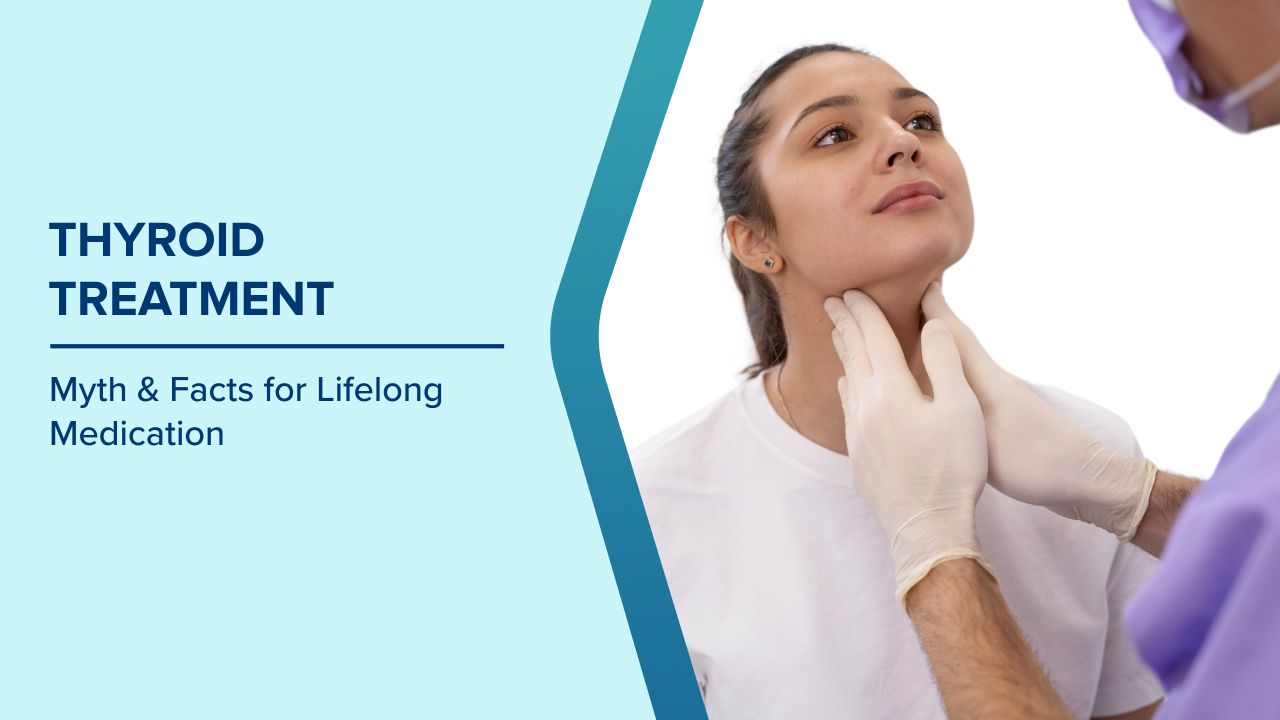
Call Us+91 926 888 0303Thyroid Treatment Duration: Myth & Facts for Lifelong Medication
By Dr. Priyamvada Tyagi in Endocrinology & Diabetes
Apr 20 , 2026

Thyroid disorders are common, but many patients worry: Is thyroid treatment lifelong? The answer is not always. Some conditions require long-term medication, while others may be temporary and reversible. The need for thyroid treatment lifelong depends on whether you have hypothyroidism or hyperthyroidism and the underlying cause. Understanding thyroid disorders treatment, including hypothyroidism treatment and its duration, can help you make informed decisions and avoid unnecessary fear about lifelong medication.
What Are Thyroid Disorders?
The thyroid is a small, butterfly-shaped gland in your neck that produces hormones that control metabolism, energy levels, and other body functions. There are two main types of thyroid disorders:
Hypothyroidism (Underactive Thyroid)
- The thyroid produces too little hormone
- Leads to fatigue, weight gain, dry skin, and slow metabolism
Hyperthyroidism (Overactive Thyroid)
- The thyroid produces too much hormone
- Causes weight loss, anxiety, rapid heartbeat, and sweating
Both conditions affect your TSH (thyroid-stimulating hormone) levels, which doctors use to diagnose and monitor thyroid disease.
Do All Thyroid Disorders Require Lifelong Treatment?
No, not all thyroid disorders require lifelong treatment. Some conditions, especially temporary thyroid inflammation or mild hyperthyroidism, can resolve over time. However, others, like most cases of hypothyroidism, typically require long-term or lifelong medication. The thyroid treatment duration depends on:
- The type of disorder
- Its underlying cause
- Your body’s response to treatment
Hypothyroidism: Is Treatment Lifelong?
In most cases, long-term hypothyroidism treatment is required, especially when caused by permanent damage to the thyroid gland.
Common Causes
- Autoimmune conditions (like Hashimoto’s thyroiditis)
- Thyroid surgery or removal
- Radiation therapy
Why Lifelong Treatment Is Needed
When the thyroid cannot produce enough hormones, the body needs replacement through thyroid hormone therapy (usually levothyroxine). This treatment:
- Restores normal hormone levels
- Maintains metabolism
- Prevents symptoms from returning
Key Points to Remember
- Medication is usually lifelong
- Dose may change over time
- Regular TSH level monitoring is essential
Stopping medication in such cases can lead to symptom relapse and complications.
Hyperthyroidism: Can It Be Treated Without Lifelong Medication?
Unlike hypothyroidism, the treatment duration for hyperthyroidism is not always lifelong.
Treatment Options
Anti-thyroid Medications
- Used to reduce hormone production
- Often taken for 6–18 months
- Some patients achieve remission
Radioactive Iodine Therapy
- Destroys overactive thyroid cells
- May lead to hypothyroidism (requiring lifelong medication later)
Surgery (Thyroidectomy)
- Partial or complete removal of the thyroid
- Usually leads to lifelong hormone replacement
Important Insight
Some patients with hyperthyroidism can stop medication after successful treatment, while others may need long-term management depending on recurrence.
When Can Thyroid Treatment Be Stopped?
In certain situations, thyroid medication may not be required permanently.
Conditions Where Treatment May Be Temporary
- Thyroiditis (inflammation of the thyroid): Often resolves on its own
- Postpartum thyroid disorders: May normalise after pregnancy
- Mild hyperthyroidism: Can go into remission
Important Guidelines
- Never stop medication without consulting a doctor
- TSH levels must be stable before considering stopping
- Regular follow-up is essential
Risks of Stopping Thyroid Medication Without Medical Advice
Stopping thyroid medication abruptly can lead to serious health issues.
Potential Risks
- Return of symptoms (fatigue, weight changes, anxiety)
- Hormonal imbalance
- Increased risk of heart problems
- Severe complications like myxedema (in hypothyroidism)
Even if you feel better, it doesn’t mean the condition is cured. Always follow medical advice.
How Thyroid Disorders Are Monitored Over Time
Effective thyroid disease management requires regular monitoring.
Key Monitoring Methods
- TSH Levels Test: Primary marker for thyroid function
- T3 and T4 Tests: Provide detailed hormone levels
- Regular Follow-Ups: Help adjust medication doses
Why Monitoring Matters
- Ensures correct dosage
- Prevents under- or over-treatment
- Tracks long-term progress
Most patients need testing every 3–6 months initially, then annually once stable.
Lifestyle and Thyroid Health
While medication is crucial, lifestyle also plays a supportive role in improving overall health.
Practical Healthy Habits
- Eat a balanced diet rich in iodine, selenium, and zinc
- Manage stress through relaxation techniques
- Exercise regularly to support metabolism
- Take medication consistently (same time daily)
However, lifestyle changes alone cannot replace thyroid medication when it is medically required.
Common Myths About Thyroid Treatment
Misinformation often causes unnecessary anxiety among patients.
- Myth 1: “Thyroid medicines are always lifelong”
Not always true, depends on the condition
- Myth 2: “You can stop medication once you feel better”
Symptoms improve because of treatment, not because the disease is gone
- Myth 3: “Natural remedies can cure thyroid disorders”
No scientific evidence supports replacing medication with home remedies
Understanding these myths helps patients make informed decisions.
When to Consult a Doctor
You should seek medical advice if you notice:
- Persistent fatigue or unexplained weight changes
- Irregular heartbeat or anxiety
- Abnormal TSH levels in blood tests
- Concerns about thyroid medication side effects
- Plans to stop or change medication
Early consultation ensures proper diagnosis and safe treatment adjustments.
Conclusion
Thyroid treatment is not always lifelong, it depends on the type and cause of the disorder. While most cases of hypothyroidism require long-term medication, some forms of hyperthyroidism and temporary thyroid conditions may not. The key is proper diagnosis, regular monitoring of TSH levels, and following medical guidance. Avoid stopping medication without professional advice, as it can lead to complications. With the right approach, thyroid disorders can be effectively managed, allowing patients to live healthy, balanced lives.
Frequently Asked Questions
Can thyroid disorders be completely cured?
Some thyroid conditions, like temporary thyroiditis, can resolve completely. However, many cases, especially hypothyroidism, require lifelong management rather than a permanent cure.
What happens if you skip thyroid medication?
Skipping doses can lead to hormonal imbalance, causing symptoms like fatigue, weight gain, or anxiety. Long-term non-compliance can worsen the condition.
Can lifestyle changes replace thyroid treatment?
No, lifestyle changes support overall health but cannot replace thyroid hormone therapy when the body cannot produce sufficient hormones.
How often should thyroid levels be checked?
Initially, every 6–12 weeks after starting treatment. Once stable, testing is usually done every 6–12 months or as advised by your doctor.
Are thyroid medicines safe for long-term use?
Yes, most thyroid medications are safe for lifelong use when taken as prescribed and monitored regularly.
Can thyroid problems return after stopping treatment?
Yes, especially in hyperthyroidism, symptoms can recur after stopping medication. Regular monitoring is essential even after treatment is stopped.
Written and Verified by:

Related Blogs

Dr. Vaishakhi Rustagi In Endocrinology & Diabetes , Paediatric (Ped) Endocrinology , Nutrition And Dietetics
Nov 08 , 2020 | 1 min read

Dr. Vaishakhi Rustagi In Endocrinology & Diabetes , Paediatric (Ped) Endocrinology
Nov 08 , 2020 | 2 min read
Blogs by Doctor

Winter and Diabetes: Tips for Early Detection & Control
Dr. Priyamvada Tyagi In Endocrinology & Diabetes
Nov 18 , 2024 | 5 min read

Thyroid Cancer: Know Thy Enemy
Dr. Priyamvada Tyagi In Endocrinology & Diabetes
Feb 06 , 2025 | 8 min read
Most read Blogs


Related Blogs
Dr. Vaishakhi Rustagi In Endocrinology & Diabetes , Paediatric (Ped) Endocrinology , Nutrition And Dietetics
Nov 08 , 2020 | 1 min read
Dr. Vaishakhi Rustagi In Endocrinology & Diabetes , Paediatric (Ped) Endocrinology
Nov 08 , 2020 | 2 min read
Blogs by Doctor
Winter and Diabetes: Tips for Early Detection & Control
Dr. Priyamvada Tyagi In Endocrinology & Diabetes
Nov 18 , 2024 | 5 min read
Thyroid Cancer: Know Thy Enemy
Dr. Priyamvada Tyagi In Endocrinology & Diabetes
Feb 06 , 2025 | 8 min read
Most read Blogs