 WhatsApp Us (24/7)
 +91 926 888 0303 (24/7)


To Book an Appointment
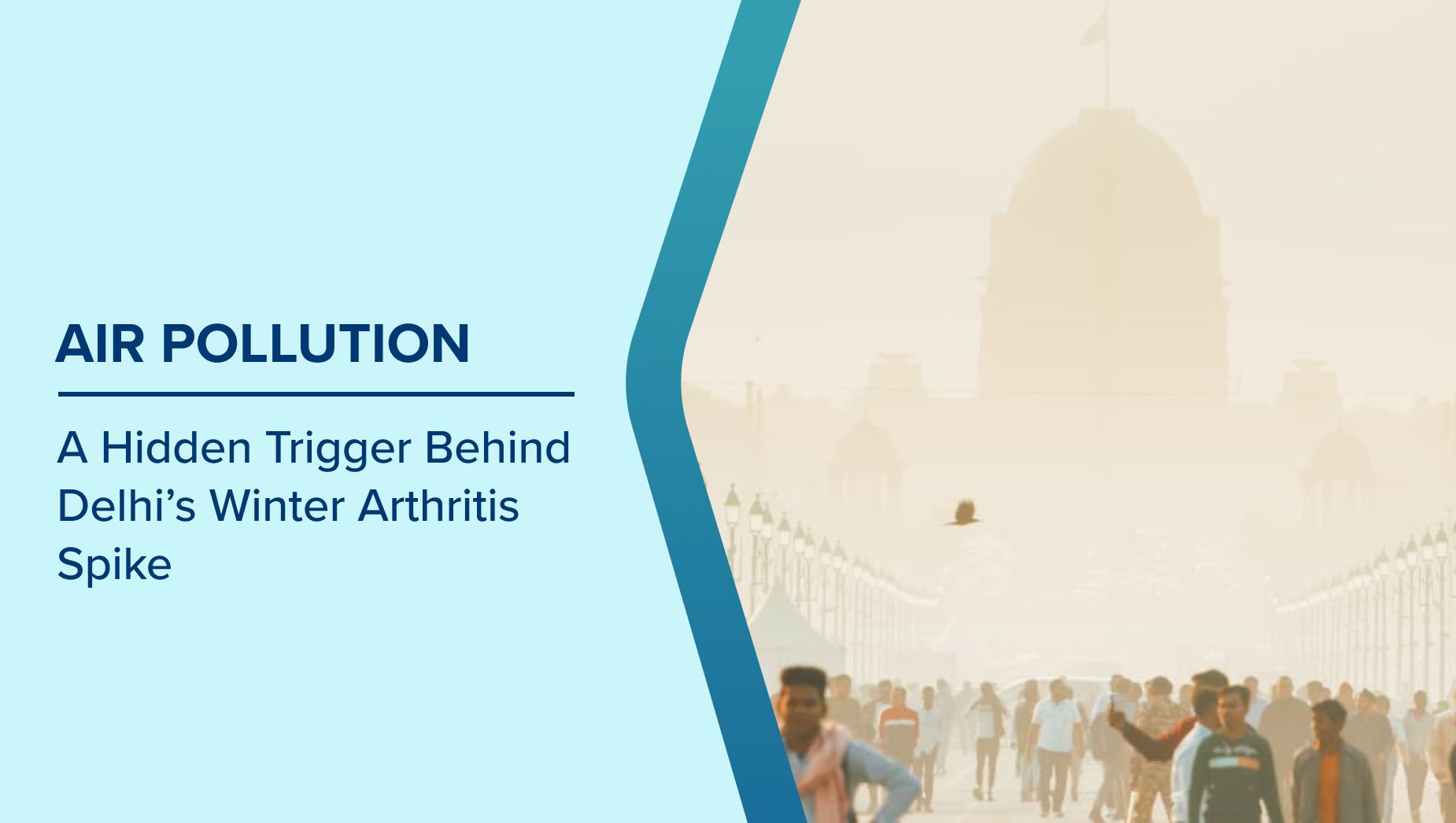
Call Us+91 926 888 0303Air Pollution: A Hidden Trigger Behind Delhi’s Winter Arthritis Spike
By Dr. Simon Thomas in Orthopaedics & Joint Replacement , Robotic Surgery
Dec 01 , 2025 | 3 min read
1

As winter sets in across Delhi–NCR with rapidly dropping temperatures and a thickening blanket of smog, many people are noticing a significant increase in joint discomfort. While the impact of cold weather on arthritis is well-known, doctors are now observing how severely polluted air, especially high concentrations of PM2.5, is amplifying pain, stiffness, and inflammation among patients suffering from Osteoarthritis (OA), Rheumatoid Arthritis (RA), and other chronic joint disorders.
In recent weeks, many individuals have been experiencing a rise in joint pain, morning stiffness, and difficulty moving comfortably. While these symptoms often worsen in colder weather, the added burden of poor air quality during winter seems to be making joint discomfort more intense for those already living with arthritis or other chronic joint conditions. The mix of chilly temperatures and polluted air can act as a strong irritant, leading to increased inflammation and heightened sensitivity in vulnerable groups.
Cold Weather + Toxic Air = Double Stress on Joints
During winter, temperatures in Delhi frequently fall into the single digits. Cold weather naturally causes the muscles surrounding joints to tighten and contract. Blood flow to the extremities slows, which leads to increased stiffness. For individuals already living with arthritis, these physiological changes can make movement painful and reduce joint flexibility.
However, what makes Delhi’s winter particularly challenging is the concurrent surge in air pollution. PM2.5 particles are small enough to penetrate deep into the lungs and then enter the bloodstream. Once in circulation, they can trigger systemic inflammation, a key driver of both Osteoarthritis and Rheumatoid Arthritis.
Prolonged exposure to PM2.5:
- Elevates inflammatory markers such as CRP (C-reactive protein)
- Accelerates cartilage degradation
- Exacerbates autoimmune responses in RA
- Slows post-surgical recovery in joint replacement patients
- Increases the likelihood of flare-ups in chronic arthritis sufferers
Thus, the combination of cold temperatures and toxic air forms a perfect storm, making winter the most difficult season for joint health in Delhi-NCR.
Reduced Movement Further Worsens the Problem
The high pollution levels during winter often force people to remain indoors to protect their lungs. While this is necessary for respiratory safety, it unintentionally contributes to reduced physical activity, another major factor that worsens arthritis symptoms.
Lack of movement leads to:
- Stiffening of joints
- Weakening of muscles that support joint stability
- Increased swelling
- Reduced lubrication within the joints
- General decline in mobility and balance
Doctors emphasise that even short gaps in exercise routines can trigger significant discomfort in arthritis patients. When cold weather and pollution both discourage outdoor movement, the effects compound quickly.
A Holistic Approach to Managing Arthritis in Winter
Given these rising challenges, adopting an integrated winter-care strategy that considers both environmental and lifestyle factors can help manage Arthritis:
- Monitor Air Quality Regularly: Check AQI levels daily. Avoid outdoor activity when AQI is “Very Poor” or “Severe.”
- Use Air Purifiers Indoors: High-quality air purifiers can significantly reduce indoor PM2.5 concentrations.
- Stay Active Indoors: Gentle exercises such as stretching, yoga, stationary cycling, and strengthening routines help maintain joint flexibility and reduce stiffness.
- Keep Joints Warm: Wear layered clothing, use heating pads when needed, and avoid sudden exposure to cold air.
- Hydrate Well: Winter dehydration is common and can worsen joint lubrication.
- Follow Medication as Prescribed: Anti-inflammatory medications, vitamin supplements, and joint-protective therapies should be continued without interruption.
- Seek Early Medical Advice: Do not ignore persistent swelling, increased stiffness, or reduced mobility.
Conclusion
This winter serves as a critical reminder: our joint health is closely linked to the air we breathe and the environment we live in. The rising cases of arthritis-related discomfort in Delhi–NCR underscore the need to treat air pollution not only as an environmental or respiratory issue, but also as a significant contributor to musculoskeletal health problems.
Staying mobile now requires a dual approach, protecting ourselves from toxic air while ensuring consistent medical and lifestyle management. As Delhi prepares for another season of smog and cold winds, strengthening public awareness and preventive measures will be essential to safeguarding joint health.
Written and Verified by:

Related Blogs


Dr. Ashish Jain In Orthopaedics & Joint Replacement
Nov 07 , 2020 | 1 min read
Blogs by Doctor

Technology Advancement in Robotic Knee Replacement: Procedure & Benefits
Dr. Simon Thomas In Orthopaedics & Joint Replacement , Robotic Surgery
Sep 16 , 2024 | 4 min read

Benefits of Revision Hip Replacement
Dr. Simon Thomas In Orthopaedics & Joint Replacement , Robotic Surgery
Oct 09 , 2024 | 3 min read
Most read Blogs


Related Blogs
Dr. Ashish Jain In Orthopaedics & Joint Replacement
Nov 07 , 2020 | 1 min read
Blogs by Doctor
Technology Advancement in Robotic Knee Replacement: Procedure & Benefits
Dr. Simon Thomas In Orthopaedics & Joint Replacement , Robotic Surgery
Sep 16 , 2024 | 4 min read
Benefits of Revision Hip Replacement
Dr. Simon Thomas In Orthopaedics & Joint Replacement , Robotic Surgery
Oct 09 , 2024 | 3 min read
Most read Blogs