 WhatsApp Us (24/7)
 +91 926 888 0303 (24/7)


To Book an Appointment
Call Us+91 926 888 0303Cluster Headache: Symptoms, Causes, and Treatment Options
By Dr. Mukesh Kumar in Neurosciences
Apr 20 , 2026

A cluster headache is not just another headache that comes and goes. It is one of the most painful types of headaches, often described as a sharp, burning pain around one eye or on one side of the head. These attacks can start suddenly and may last from minutes to a few hours, sometimes occurring several times a day. The intensity of pain and the repeated nature of attacks can affect sleep, work, and overall daily routine. Many people struggle to recognise the condition early or understand what might be triggering it. This blog looks at the common symptoms to watch for, the possible causes behind these headaches, and the treatment options that can help manage them better.
What is a Cluster Headache?
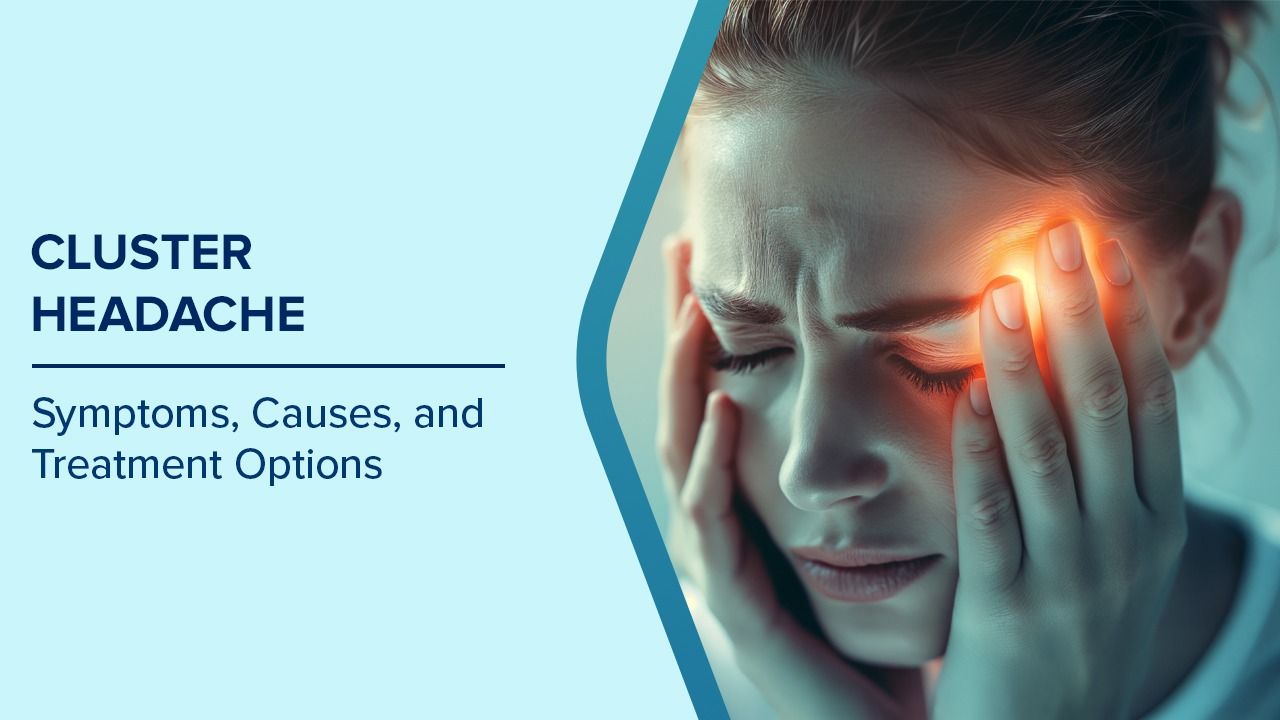
A cluster headache is a type of headache known for its sudden, severe, and one-sided pain, usually centred around or behind one eye. Unlike tension headaches or migraines, these attacks come in patterns, often called “clusters,” where multiple episodes can occur in a single day over a period of weeks or months. Each episode typically lasts from 15 minutes to a few hours, and the pain can be sharp, burning, or piercing, making it extremely difficult to ignore. Along with the intense pain, people may notice other symptoms such as watery or red eyes, a runny or blocked nose, drooping eyelids, or a feeling of restlessness.
A classical feature of cluster headache is headache happening around the same time every day in the cluster for around 6-8 weeks every 3 months or every year.
What Causes Cluster Headaches?
Cluster headaches do not have a single clear cause, but they are believed to result from changes in the brain, particularly in the hypothalamus, which helps regulate biological rhythms. This may explain why attacks often occur at the same time each day or during certain seasons. While the exact cause is still not fully understood, several factors can trigger or worsen an attack, including:
- Alcohol consumption during a cluster period
- Smoking or exposure to tobacco smoke
- Strong smells such as perfumes, paint, or solvents
- Changes in sleep patterns or irregular sleep schedules
- Seasonal changes or shifts in daylight patterns
- High altitudes or changes in oxygen levels
Genetics may also play a role, as some people have a family history of cluster headaches. These triggers do not cause cluster headaches on their own but can provoke an attack in those who are prone to them.
What are the Symptoms of Cluster Headaches?
Cluster headaches are known for causing sudden, severe, and excruciating pain, usually focused on one side of the head, often around or behind one eye. The pain is often described as sharp, burning, or piercing, and it can appear without warning. Each attack typically lasts from 15 minutes to a few hours, and multiple attacks may occur in a single day during a cluster period, which can last for weeks or months. Along with the intense pain, people often experience other noticeable symptoms on the same side of the head, such as:
- Red or watery eyes
- Runny or blocked nose
- Drooping eyelid or swelling around the eye
- Restlessness or an inability to sit still during an attack
- Sweating on the face or forehead
- Sensitivity to light or sound
- Facial flushing or pale skin
The repeated nature of these attacks can disrupt sleep, work, and daily activities, making it essential to recognise the symptoms early and seek appropriate help.
How are Cluster Headaches Diagnosed?
Diagnosing cluster headaches usually involves a combination of reviewing medical history, evaluating symptoms, and ruling out other conditions. Because these headaches are less common and can resemble migraines or sinus issues, accurate diagnosis is important for effective management.
Medical History and Symptom Review
The first step is a thorough discussion of your headache patterns. A doctor will ask about:
- Timing, frequency, and duration of headaches
- Location and intensity of pain
- Accompanying symptoms such as eye redness, nasal congestion, or restlessness
- Any potential triggers, like alcohol, smoking, or sleep changes
Keeping a headache diary can help provide a clear picture of these patterns.
Physical and Neurological Examination
A doctor may perform a physical and neurological exam to check for signs of other conditions. This can include:
- Eye and facial examination
- Checking reflexes and nerve function
- Assessing coordination and sensory responses
These tests help confirm that the headache fits the typical cluster pattern.
Imaging Tests
In some cases, imaging tests like MRI or CT scans may be recommended. These are used to:
- Rule out other serious conditions, such as brain tumours or vascular problems
- Ensure that the severe headache is indeed a cluster headache and not caused by another issue
Early and accurate diagnosis is key to managing cluster headaches effectively and reducing their impact on daily life.
What are the Treatment Options for Cluster Headaches?
Managing cluster headaches usually involves two approaches: treatments that stop or relieve an attack once it begins and strategies that reduce the frequency of attacks over
Acute Treatments
Acute treatments aim to relieve the pain quickly once an attack starts. These approaches work best when used at the very beginning of a headache episode. Common strategies include:
- Breathing high-flow oxygen through a mask, which can ease pain within minutes for many people
- Short-term therapies prescribed by a doctor that target the headache during an attack
- Techniques to stay calm and manage restlessness, since movement or agitation can worsen the pain
Preventive Treatments
Preventive treatments are used to reduce the number and severity of attacks during a cluster period. These options focus on stabilising the underlying triggers and patterns that lead to headaches. Common preventive measures include:
- Maintaining a regular sleep schedule and good sleep hygiene
- Avoiding alcohol and smoking during cluster periods
- Adjusting lifestyle habits, such as managing stress and exposure to strong smells
- Medically guided therapies aimed at reducing the frequency or intensity of attacks over weeks or months
What Lifestyle Changes Can Help Manage Cluster Headaches?
Alongside medical treatments, making certain lifestyle changes can play an important role in managing cluster headaches and reducing the frequency or severity of attacks. Here are a few of those:
1. Maintain a Regular Sleep Schedule
Irregular sleep patterns can trigger or worsen cluster headaches. Going to bed and waking up at the same time every day, including weekends, helps stabilize the body’s natural rhythms and may reduce the likelihood of attacks.
2. Avoid Alcohol and Smoking
Alcohol is a common trigger during cluster periods, and smoking can worsen symptoms. Limiting or avoiding these substances, especially during active cluster phases, can help prevent attacks.
3. Identify and Avoid Other Triggers
Strong smells, such as perfumes, paint, or chemicals, can provoke headaches in some people. Keeping track of what seems to trigger an attack and making small adjustments in your environment can make a noticeable difference.
4. Manage Stress
Stress does not directly cause cluster headaches, but it can worsen their intensity or make attacks more frequent. Techniques like gentle exercise, relaxation exercises, or meditation may help reduce stress and improve overall well-being.
5. Track Headache Patterns
Keeping a headache diary helps you and your doctor understand patterns, triggers, and what treatments are most effective. Recording the time of day, duration, intensity, and potential triggers provides valuable insight for long-term management.
Consult Today
Living with cluster headaches is tough, but getting the right help can make a real difference in your quality of life. Now that you have a clearer picture of what your condition involves, the most important next step is making sure you are working with someone who truly understands it. Cluster headaches are a specialised area, and a neurologist with experience in headache disorders will be best placed to guide your treatment, fine-tune your management plan, and help you get your life back on track. At Max Hospital, our neurology specialists are equipped to assess your specific headache patterns, identify your triggers, and recommend treatments that are tailored to you, not just a generic plan. Whether you are in the middle of a cluster period right now or trying to prepare for the next one, there is no better time to get professional advice than today.
Frequently Asked Questions
Can cluster headaches happen more than once a year?
Yes, some people experience multiple cluster periods each year, while others may have long gaps between episodes. The pattern can vary from person to person.
Do cluster headaches affect both sides of the head?
Cluster headaches almost always occur on one side at a time, but the affected side can occasionally switch between cluster periods.
Is it possible to prevent cluster headaches entirely?
Complete prevention is rare, but early treatment, lifestyle adjustments, and careful monitoring of triggers can significantly reduce the frequency and severity of attacks.
Can certain foods trigger cluster headaches?
While triggers are usually related to substances like alcohol or strong smells, some people may notice that specific foods or drinks worsen their attacks. Identifying personal triggers is key.
Are children or teenagers affected by cluster headaches?
Cluster headaches are much more common in adults, but they can occur in younger people, though it is rare. Early consultation with a specialist is recommended if symptoms appear.
Do cluster headaches affect daily activities even between attacks?
Yes, the anticipation of the next attack and disrupted sleep during cluster periods can impact mood, energy, and concentration, affecting daily life even when you are not experiencing pain.
Written and Verified by:

Related Blogs

Dr. Chandril Chugh In Neurosciences , Interventional Neurology
Nov 08 , 2020 | 1 min read

Dr. Chandril Chugh In Neurosciences , Interventional Neurology
Nov 08 , 2020 | 2 min read
Blogs by Doctor

7 Wonderful Exercises for Those Suffering From Epilepsy
Dr. Mukesh Kumar In Neurosciences
Feb 12 , 2018 | 2 min read

Most read Blogs


Related Blogs
Dr. Chandril Chugh In Neurosciences , Interventional Neurology
Nov 08 , 2020 | 1 min read
Dr. Chandril Chugh In Neurosciences , Interventional Neurology
Nov 08 , 2020 | 2 min read
Blogs by Doctor
7 Wonderful Exercises for Those Suffering From Epilepsy
Dr. Mukesh Kumar In Neurosciences
Feb 12 , 2018 | 2 min read
Most read Blogs