 WhatsApp Us (24/7)
 +91 926 888 0303 (24/7)


To Book an Appointment
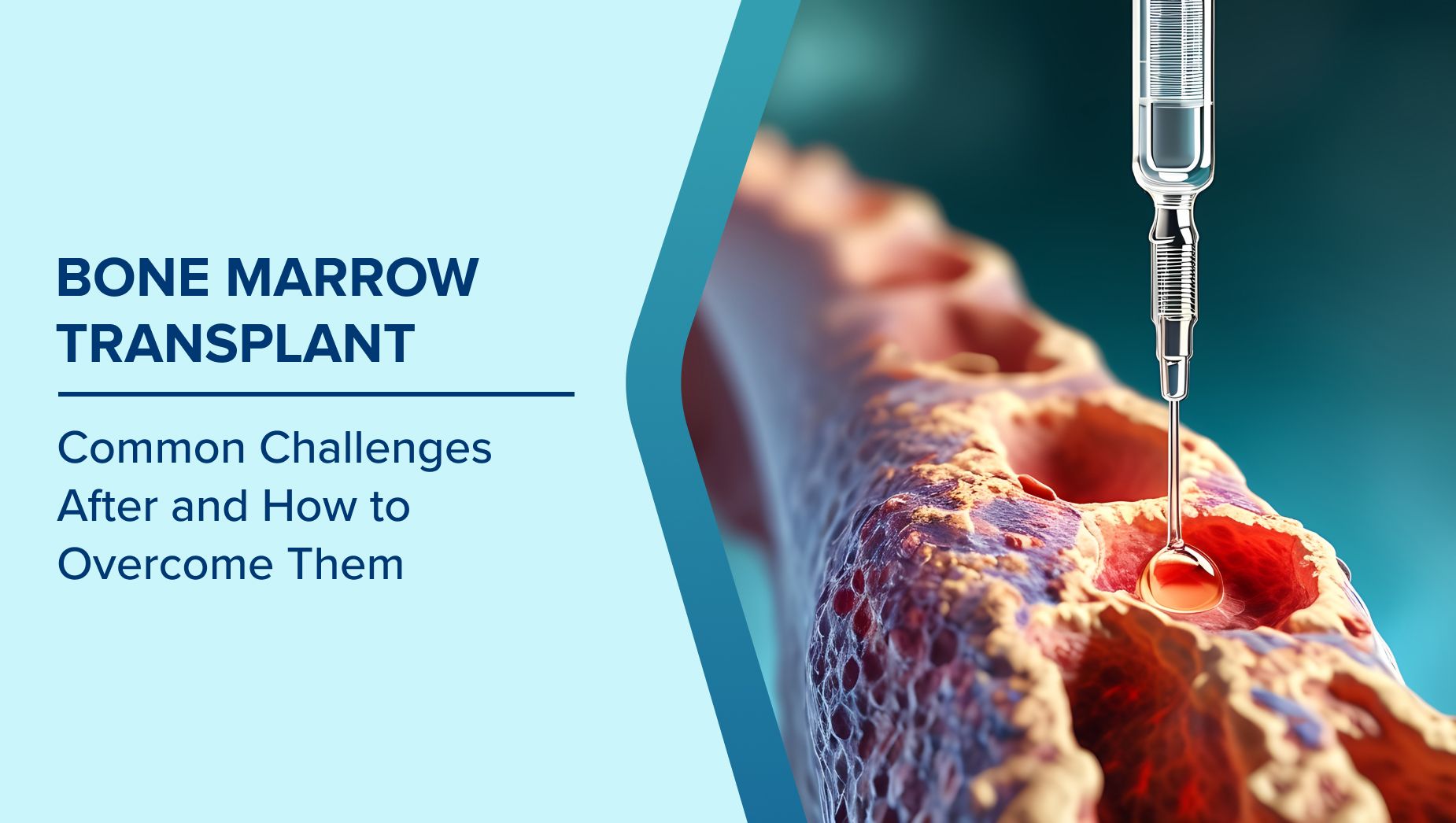
Call Us+91 926 888 0303Bone Marrow Transplant: Common Challenges After and How to Overcome Them
By Dr Satyendra Katewa in Paediatric (Ped) Oncology , Bone Marrow Transplant , Hematology Oncology
Oct 27 , 2025 | 4 min read

Undergoing a bone marrow transplant is a life-changing event that brings hope to patients with blood disorders or cancers. While the procedure can be life-saving, recovery comes with its own set of challenges. Patients often face physical, emotional, and social hurdles that can feel overwhelming. Understanding these challenges and knowing practical ways to manage them is crucial for achieving a smooth recovery and maintaining quality of life.
Physical Challenges After a Bone Marrow Transplant
After a bone marrow transplant, the body undergoes a complex process of healing and immune system rebuilding. Patients may face several physical challenges, including:
Fatigue and Weakness
Feeling tired and physically drained is common during recovery. The body is investing energy in healing and rebuilding the immune system, which can make daily tasks exhausting.
Immune System Recovery
The immune system is severely weakened after a transplant, leaving patients more susceptible to infections. This requires extra vigilance in hygiene, avoiding crowded spaces, and regular medical check-ups.
Nutritional Difficulties
Changes in appetite, taste, or digestion can make eating difficult. Some patients experience nausea, mouth sores, or difficulty swallowing, affecting their ability to maintain adequate nutrition.
Pain and Discomfort
Post-transplant discomfort may arise from the procedure itself, medications, or complications such as graft-versus-host disease. Managing pain is essential to aid recovery and maintain mobility.
Other Complications
Some patients may experience issues like anaemia, low platelet counts, or organ-related complications, requiring ongoing monitoring and medical attention.
Emotional and Mental Health Challenges
The emotional impact of a bone marrow transplant can be as impactful as the physical effects. Common mental health challenges include:
Anxiety and Uncertainty
Patients may feel anxious about their recovery, potential complications, or the risk of relapse. Uncertainty about the future can increase stress levels.
Depression and Mood Changes
Extended hospital stays, changes in daily life, and physical limitations may contribute to feelings of sadness or low mood.
Coping with Isolation
Immune suppression often means avoiding social gatherings, which can lead to loneliness and feelings of isolation.
Managing Stress
Learning to cope with stress and anxiety is important for overall health. Patients may need to explore relaxation techniques, mindfulness, or therapy to support mental well-being.
Social and Lifestyle Challenges
Adjusting to life after a transplant can be difficult. Many patients encounter lifestyle challenges, such as:
Returning to Work or School
Reintegrating into daily routines may be gradual. Patients often need modified schedules or reduced workloads as they regain strength.
Daily Routine Adjustments
Simple tasks like cooking, cleaning, or shopping may require assistance. Organising daily activities to conserve energy can help prevent burnout.
Maintaining Social Connections
Avoiding infection may limit social interactions, making it essential to find safe ways to stay connected with friends and family.
Medical and Medication Management
Post-transplant care involves strict adherence to medications and monitoring for complications:
Medication Adherence
Patients often take immunosuppressants and other medications to prevent rejection and manage side effects. Following the prescribed regimen is critical.
Side Effects Monitoring
Medications can cause nausea, fatigue, or other discomforts. Reporting side effects promptly ensures timely adjustments by healthcare providers.
Recognising Warning Signs
Patients should be alert to signs of infection, graft-versus-host disease, or unusual symptoms, and communicate promptly with their medical team.
Strategies to Overcome Challenges
Recovery after a bone marrow transplant requires a combination of medical guidance, lifestyle adjustments, and emotional support. Effective strategies include:
Rehabilitation and Physical Therapy
Gentle exercises, guided by a physiotherapist, can help rebuild strength, improve mobility, and reduce fatigue.
Balanced Nutrition
A diet rich in protein, vitamins, and minerals supports healing, boosts immunity, and helps manage side effects.
Emotional Support
Counselling, therapy, or support groups provide an outlet for expressing fears, managing stress, and connecting with others who understand the journey.
Hygiene and Safety Practices
Maintaining cleanliness, avoiding crowded areas, and following food safety guidelines reduces the risk of infection.
Planning and Pacing
Breaking tasks into smaller steps, taking rest breaks, and gradually increasing activity levels help manage energy and prevent burnout.
Role of Caregivers and Family
Family members and caregivers play a crucial role in post-transplant recovery:
- Providing Emotional Support: Being present, listening, and offering reassurance can alleviate stress and anxiety.
- Assisting with Daily Activities: Helping with cooking, cleaning, or medication management supports patients physically.
- Encouraging Adherence to Care Plans: Ensuring appointments are kept and medications are taken correctly is vital for recovery.
- Monitoring Health: Observing warning signs and reporting them promptly to healthcare providers protects patients from complications.
Importance of Regular Monitoring and Follow-Up Care
Ongoing medical follow-ups are essential for detecting complications early and ensuring successful recovery:
- Routine Blood Tests: Track immune function, blood counts, and organ health.
- Medical Imaging: Assess the recovery of bone marrow and check for complications.
- Consultations with Specialists: Regular visits with haematologists, nutritionists, and physiotherapists help manage various aspects of recovery.
- Open Communication: Sharing concerns and symptoms promptly allows healthcare teams to make timely interventions.
Conclusion
Recovery after a bone marrow transplant is a complex journey that extends beyond the procedure itself. Patients face physical, emotional, and social challenges, each of which requires awareness, proactive management, and support. By following medical guidance, adopting healthy lifestyle practices, and seeking emotional support, patients can navigate post-transplant life successfully and improve their quality of life.
Empowering patients with knowledge, practical strategies, and encouragement helps them rebuild strength, maintain independence, and regain confidence in their recovery journey.
Frequently Asked Questions
How long does it take to regain full energy after a bone marrow transplant?
Recovery timelines vary, but many patients gradually regain energy over several months with proper rest and activity pacing.
Can I safely travel after a bone marrow transplant?
Travel is possible once immunity has recovered sufficiently. Patients should consult their healthcare provider and take precautions to reduce infection risk.
Is it normal to feel anxious or depressed after a transplant?
Yes, emotional challenges are common. Seeking counselling, joining support groups, or practising relaxation techniques can help manage these feelings.
Can exercise help with post-transplant recovery?
Gentle, guided exercise can improve strength, mobility, and overall well-being. It should be tailored to the patient’s condition and recovery stage.
What steps can I take to prevent infections at home?
Maintaining cleanliness, avoiding crowded areas, practising hand hygiene, and safely handling food reduce infection risk during recovery.
Are there lifestyle changes that can support long-term health after a transplant?
A balanced diet, adequate sleep, stress management, and regular follow-ups all contribute to better overall health and recovery outcomes.
Written and Verified by:

Related Blogs

Dr. Ramandeep Singh Arora (Paed Onco) In Paediatric (Ped) Oncology , Cancer Care / Oncology
Oct 25 , 2016 | 2 min read

Dr. Ramandeep Singh Arora (Paed Onco) In Paediatric (Ped) Oncology , Cancer Care / Oncology
Sep 04 , 2017 | 3 min read
Blogs by Doctor

Most read Blogs


Related Blogs
Dr. Ramandeep Singh Arora (Paed Onco) In Paediatric (Ped) Oncology , Cancer Care / Oncology
Oct 25 , 2016 | 2 min read
Dr. Ramandeep Singh Arora (Paed Onco) In Paediatric (Ped) Oncology , Cancer Care / Oncology
Sep 04 , 2017 | 3 min read
Blogs by Doctor
Most read Blogs