 WhatsApp Us (24/7)
 +91 926 888 0303 (24/7)


To Book an Appointment
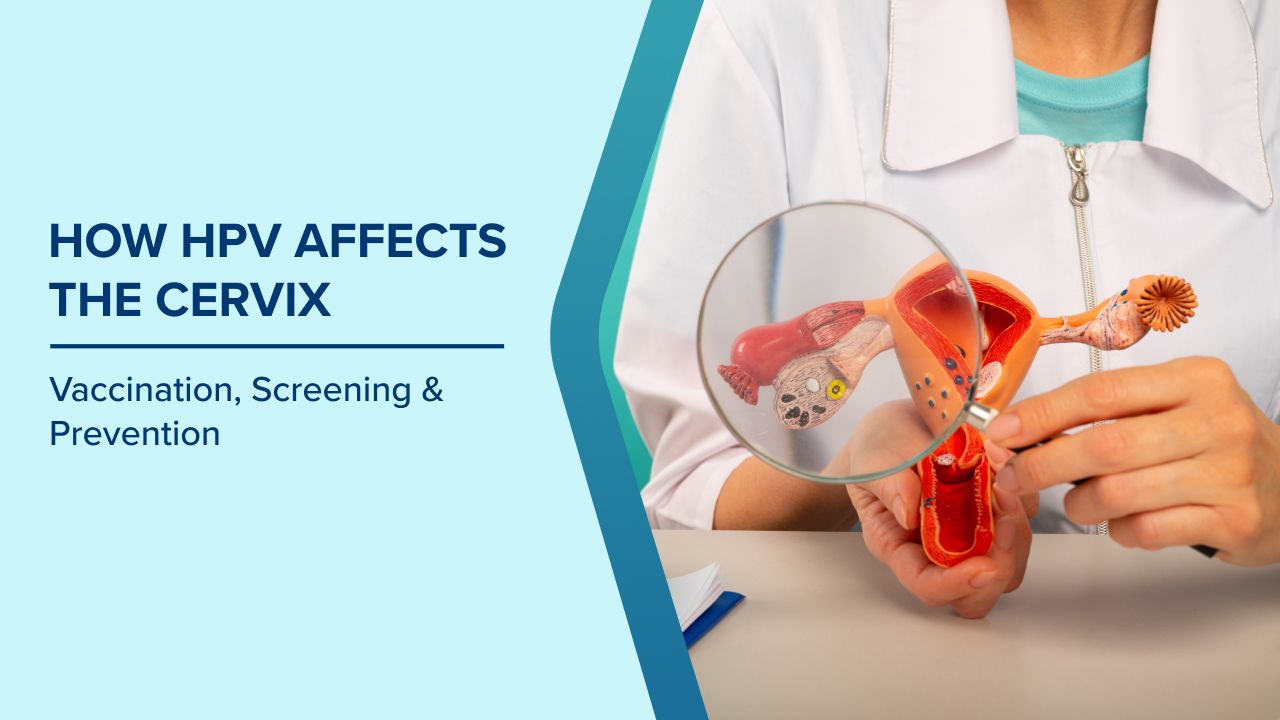
Call Us+91 926 888 0303How HPV Affects the Cervix: Vaccination, Screening & Prevention
By Dr. Sarita Kumari in Surgical Oncology , Gynecologic Oncology
Jun 11 , 2026 | 6 min read
2

Human Papillomavirus (HPV) is one of the most common sexually transmitted infections worldwide, and it plays a major role in cervical health. While the HPV vaccine significantly lowers the risk of infection from high-risk HPV strains, effective HPV prevention and cervical cancer prevention also depend on regular screening, early detection, safe sexual practices, and overall immune health. Understanding the link between HPV and cervical health, along with the importance of Pap smear testing and follow-up care, can help women reduce the risk of long-term cervical disease.
What Is HPV and Why Is It Important for Cervical Health?
Human Papillomavirus (HPV) is a group of more than 100 related viruses, some of which affect the genital area, mouth, and throat. HPV spreads mainly through intimate skin-to-skin sexual contact, including vaginal, anal, and oral contact.
In women, HPV infection often affects the cervix, the lower part of the uterus that opens into the vagina. HPV is usually divided into two broad categories:
- Low-risk HPV: Can cause genital warts but usually does not lead to cancer.
- High-risk HPV: Certain strains, especially HPV 16 and HPV 18, are strongly associated with cervical cell changes and cancer risk.
Most HPV infections in women do not cause symptoms and may go unnoticed. However, persistent infection with high-risk HPV can gradually damage cervical cells. This is why understanding what HPV is and how it affects cervical health is essential for prevention.
How HPV Affects the Cervix
When high-risk HPV enters cervical cells, it can interfere with normal cell growth. In many cases, the immune system clears the virus before it causes harm. But if the infection remains for a long time, abnormal changes may develop in cervical tissue. This process may include:
- Infection of cervical epithelial cells
- Abnormal cellular growth
- Cervical dysplasia (precancerous changes)
- Progression to severe abnormalities if untreated
This is how HPV causes cervical cancer. Cervical cancer does not usually develop immediately. It often takes years of persistent HPV-related changes. That is why regular monitoring plays a major role in protecting long-term cervical health.
Does HPV Always Lead to Cervical Cancer?
No, HPV does not always cause cervical cancer. This is one of the most common misconceptions.
Most HPV infections are temporary and may clear naturally within 1–2 years, especially in healthy individuals with strong immune function. The greater concern is:
- Persistent high-risk HPV infection
- Delayed follow-up after abnormal results
- Repeated cervical cell damage
So if women ask, does HPV always cause cervical cancer? The answer is no. But persistent infection without screening can increase risk. Immunity, age, smoking, and overall health may influence how the body responds to HPV.
Why Prevention Goes Beyond Vaccination
The HPV vaccine is one of the most effective preventive tools in women’s health. It protects against several high-risk HPV strains linked to cervical cancer and some low-risk strains linked to genital warts. However, HPV prevention is not limited to vaccination. Here is why:
- The vaccine does not treat existing infection: If a woman is already exposed to HPV, the vaccine does not remove the virus.
- Not every HPV strain is covered: Vaccines protect against major high-risk strains, but not all HPV types.
- Cervical screening remains essential: Even vaccinated women may still develop abnormal cervical changes.
- Prevention is long-term: Protecting cervical health involves continuous awareness, follow-up, and routine screening.
So, if someone asks, is the HPV vaccine enough to prevent cervical cancer? The answer is no. It is highly protective, but screening and healthy habits still matter.
Cervical Cancer Screening Still Matters
Regular cervical cancer screening is one of the most effective ways to detect problems before they become serious.
Pap Smear Test
A Pap smear test checks for abnormal cervical cells that may become cancerous over time. It helps identify:
- Early precancerous changes
- Abnormal cell patterns
- Need for follow-up evaluation
HPV Screening
HPV screening or HPV DNA testing checks for high-risk HPV strains in cervical cells. It may be recommended based on age, risk factors, or abnormal Pap results.
Why Early Detection Matters
Early changes often cause no symptoms. Screening helps detect disease before cancer develops.
Who Should Consider Screening?
Screening recommendations vary by age and medical history, but women should discuss testing schedules with a gynaecologist. If an abnormal Pap smear is found, additional evaluation may be needed, not all abnormal results mean cancer.
Lifestyle and Sexual Health Habits That Support Cervical Health
Protecting women’s reproductive health involves more than medical tests. A healthy lifestyle and sexual health awareness can support better outcomes.
Safer Sexual Practices
Using barrier protection and reducing STI exposure may help lower transmission risk.
Smoking Cessation
Smoking is linked to persistent HPV infection and abnormal cervical cell changes.
Immune Health Support
A healthy immune system may help the body clear infections more effectively.
Supportive habits include:
- Balanced nutrition
- Sleep
- Stress control
- Physical activity
STI Awareness
Since HPV is an STI, understanding sexual health risks is important.
Follow-up Care
Missed follow-up after abnormal screening can delay treatment. For women asking how to prevent HPV, vaccination plus healthy long-term care provides stronger protection.
Prevention Requires More Than One Step
Protecting cervical health involves multiple layers of prevention, not just vaccination.
- HPV Vaccine: Helps lower risk from common high-risk strains.
- Pap Smear Test: Detects abnormal cervical cells early.
- HPV Screening: Identifies high-risk viral infection.
- Safe Sexual Practices: Helps reduce STI exposure.
- Smoking Cessation: Supports immune and cervical health.
- Routine Follow-Up: Ensures timely treatment.
Together, these measures improve long-term cervical cancer prevention.
Common Symptoms That Should Not Be Ignored
HPV often causes no symptoms. But cervical disease may sometimes present warning signs. Seek evaluation if symptoms include:
- Unusual vaginal bleeding
- Bleeding after intercourse
- Pelvic pain
- Pain during intercourse
- Unusual vaginal discharge
- Persistent discomfort
These may not always indicate cancer, but they should not be ignored. Women searching for HPV symptoms in women should know that symptoms often appear late, which makes screening especially important.
Who Is at Higher Risk of Persistent HPV Infection?
Some women may be more likely to develop long-term HPV-related changes. Higher-risk factors include:
- Smoking
- Weakened immune function
- Multiple sexual partners
- Lack of regular cervical screening
- Previous abnormal Pap smear
- Long gaps in gynaecological care
- Persistent untreated STI exposure
These factors do not guarantee disease, but they can increase risk.
Can HPV Be Treated?
There is no direct antiviral cure that removes HPV itself. However, HPV treatment focuses on managing complications. This may include:
- Monitoring cervical changes
- Removing abnormal cells
- Treating genital warts
- Colposcopy and biopsy when required
- Follow-up screening
A common concern is: Can HPV go away on its own? Yes, many infections clear naturally. Persistent high-risk HPV needs monitoring.
When Should You See a Gynaecologist?
Schedule an evaluation if you have:
- Abnormal bleeding
- Pelvic pain
- Pain during intercourse
- Abnormal discharge
- Positive HPV screening
- Previous abnormal Pap results
- Concerns about vaccination or cervical cancer risk
Women should also seek guidance if unsure how often they should get Pap smear testing based on age or risk. Early consultation supports better outcomes.
Conclusion
HPV is common, and most infections do not lead to cancer. However, persistent high-risk HPV can affect cervical health over time if left undetected. While the HPV vaccine is a major step in prevention, it is only one part of protecting women’s reproductive health. Regular Pap smear tests, HPV screening, sexual health awareness, healthy lifestyle habits, and timely medical follow-up all support better long-term cervical cancer prevention. Early detection remains one of the strongest tools for reducing risk and improving outcomes.
Frequently Asked Questions
Can HPV stay in the body for years without symptoms?
Yes, high-risk HPV can remain dormant or unnoticed for years without causing symptoms. This is why routine screening is important.
Can a woman get HPV even with one sexual partner?
Yes, HPV transmission can occur even with one partner because it spreads through intimate skin-to-skin contact.
Is HPV testing painful?
HPV testing is usually brief and similar to a Pap smear. Some women feel mild discomfort, but it is generally well tolerated.
Can HPV affect fertility?
HPV itself usually does not directly affect fertility. However, treatment for severe cervical abnormalities may sometimes require discussion about reproductive planning.
Should vaccinated women still get Pap smears?
Yes, vaccination lowers risk, but it does not replace regular screening.
Can HPV return after treatment?
Treatment removes abnormal tissue or visible lesions, but follow-up is important because recurrence can happen.
Can men carry HPV without symptoms?
Yes, men may carry and transmit HPV even when they have no visible symptoms.
Written and Verified by:

Related Blogs

Dr. S. VEDA PADMA PRIYA In Surgical Oncology , Cancer Care / Oncology
May 16 , 2016 | 2 min read

Dr. Kanika Batra Modi In Surgical Oncology , Cancer Care / Oncology
May 26 , 2016 | 4 min read
Blogs by Doctor

Minimally Invasive Gynae-Onco Surgery: Benefits, Recovery & After Tips
Dr. Sarita Kumari In Surgical Oncology , Gynecologic Oncology
Feb 19 , 2025 | 3 min read
Ovarian Cancer: Busting Five Common Myths
Dr. Sarita Kumari In Cancer Care / Oncology , Gynecologic Oncology
Oct 22 , 2025 | 5 min read
Most read Blogs


Related Blogs
Dr. S. VEDA PADMA PRIYA In Surgical Oncology , Cancer Care / Oncology
May 16 , 2016 | 2 min read
Dr. Kanika Batra Modi In Surgical Oncology , Cancer Care / Oncology
May 26 , 2016 | 4 min read
Blogs by Doctor
Minimally Invasive Gynae-Onco Surgery: Benefits, Recovery & After Tips
Dr. Sarita Kumari In Surgical Oncology , Gynecologic Oncology
Feb 19 , 2025 | 3 min read
Ovarian Cancer: Busting Five Common Myths
Dr. Sarita Kumari In Cancer Care / Oncology , Gynecologic Oncology
Oct 22 , 2025 | 5 min read
Most read Blogs