 WhatsApp Us (24/7)
 +91 926 888 0303 (24/7)


To Book an Appointment
Call Us+91 926 888 0303Brain Stroke In Winters: Why the Cold Season Puts Your Brain at Risk
By Dr. Nikhil Dongre in Neurosciences , Neurology
Dec 10 , 2025 | 5 min read

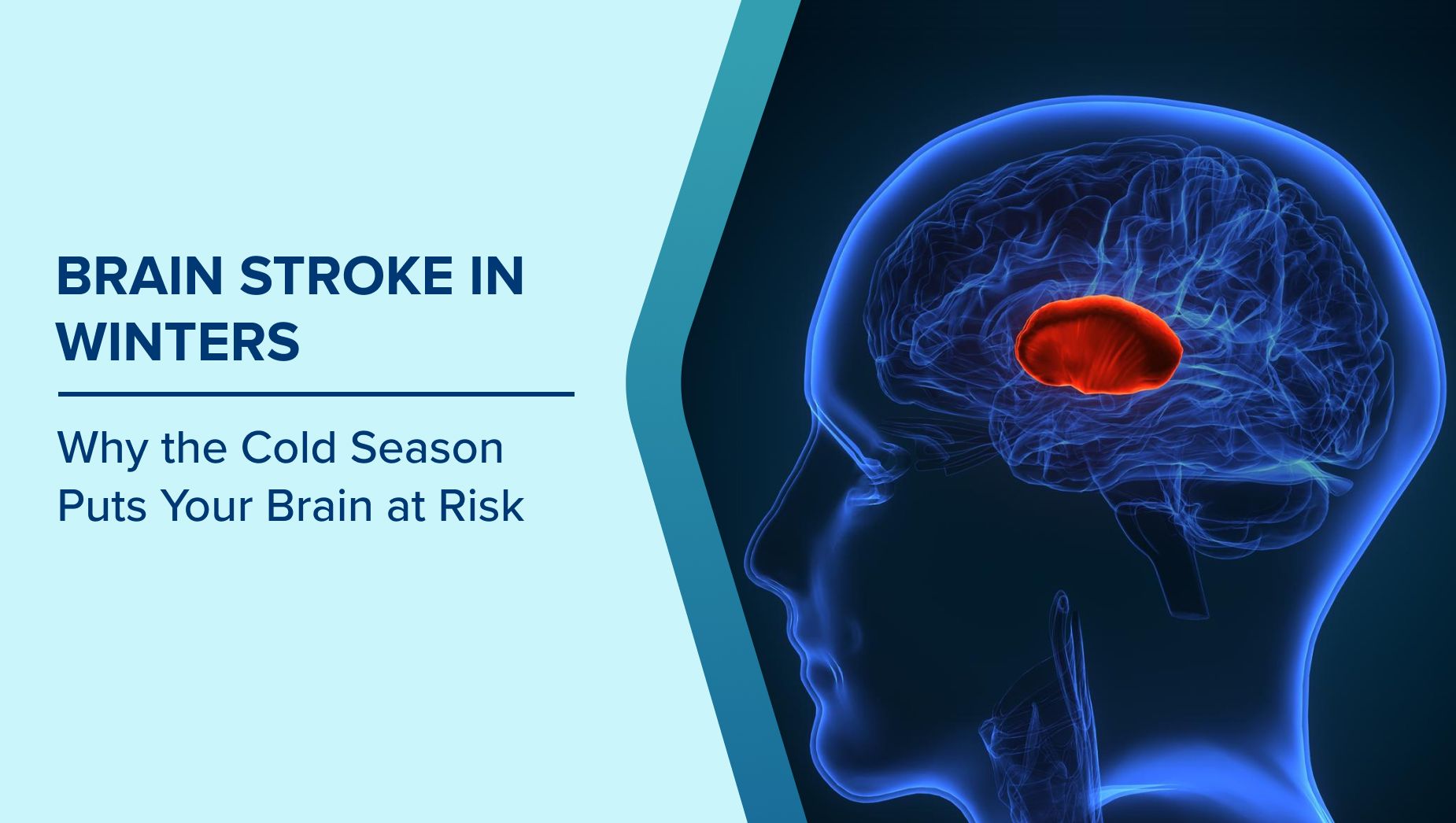
Winter brings a welcome break from the intense heat, but for many people, it also brings an unexpected health challenge. The cold season is known to increase the chances of a brain stroke, especially among individuals who already have underlying risk factors. While people usually focus on common winter issues like coughs and joint pain, they often overlook how winter affects blood vessels, circulation, and overall brain health.
A brain stroke is a medical emergency where the blood supply to a part of the brain is suddenly disrupted. When the brain does not get enough oxygen and nutrients, brain cells begin to die within minutes. Quick treatment can save lives and prevent long-term disability, which makes awareness extremely important. Understanding how winter affects the body helps people stay alert, reduce risks and recognise early warning signs.
Why Stroke Risk Rises in Winter
Winter affects the human body in several ways. The cold temperature forces the body to work harder to maintain normal warmth, and this influences the heart, blood vessels and brain.
Blood vessels become narrower
Cold temperatures cause blood vessels to constrict, increasing the pressure in the arteries. When blood pressure rises, the risk of a blood vessel bursting or a clot forming becomes higher. This makes winter an especially sensitive time for those with hypertension.
Blood becomes thicker
In colder months, the body loses moisture faster, which can make the blood thicker. Thick blood flows more slowly and can lead to clot formation. These clots can block vessels that supply blood to the brain.
Sudden temperature shifts strain the cardiovascular system
Going from a warm room into cold outdoor air causes an abrupt change in circulation. This sudden shift can increase stress on the heart and blood vessels, which raises stroke risk.
Low physical activity
During winter, people tend to walk less, exercise less and spend more time sitting indoors. Reduced activity can slow metabolism and affect circulation. It also contributes to higher blood pressure and unhealthy weight gain, both of which increase the risk of stroke.
More seasonal infections
Winter illnesses can indirectly increase stroke risk. Fever, dehydration and inflammation can disturb normal blood flow. People with chronic conditions may experience a worsening of symptoms during the cold season, which can also influence stroke risk.
Common Warning Signs of a Brain Stroke in Winter
Winter-related stroke symptoms are the same as at any other time, but people often misjudge them as tiredness, cold effects or seasonal sluggishness. Early recognition makes a major difference in recovery.
Sudden numbness or weakness
This usually affects one side of the body. Some people feel their face droop or find it difficult to raise an arm.
Confusion or difficulty speaking
A person may suddenly slur words or struggle to understand what others are saying. Family members often notice this before the person does.
Trouble seeing clearly
Blurred or double vision or sudden loss of vision in one eye should never be ignored.
Loss of balance
Some people feel dizzy, unsteady or unable to walk properly.
Severe headache
A sudden, intense headache may occur without any reason. This is more common in certain types of strokes.
Who Is More Vulnerable During the Cold Season
Although a stroke can happen to anyone at any age, certain individuals face a higher risk in winter.
People with high blood pressure
Cold air can make blood pressure rise quickly, which puts extra pressure on the brain’s blood vessels.
Individuals with heart disease
Heart issues affect circulation and oxygen supply to the brain, making the winter months more challenging.
Older adults
As age increases, stiffness in blood vessels and reduced immunity can increase stroke risk in winter.
People with diabetes
Winter fluctuations in sugar levels and decreased activity can influence blood flow and nerve function.
Smokers
Smoking already affects blood vessels and circulation. Combined with winter-related narrowing of vessels, the risk becomes significantly higher.
How to Lower Your Stroke Risk This Winter
Little daily habits can make a major difference in stroke prevention during the cold months.
Stay warm
Cover your head, hands and feet when going outdoors. Wear layered clothing so the body does not experience sudden temperature drops.
Monitor blood pressure regularly
Keeping track of blood pressure helps detect early changes. People with hypertension should be extra careful during cold mornings and evenings.
Stay hydrated
Even when you do not feel thirsty, the body needs enough water. Hydration keeps blood from thickening excessively.
Keep moving
Gentle stretching, indoor walking, or light exercises improve circulation. Even ten to fifteen minutes of activity a few times a day can help.
Eat warm and balanced foods
Nutritious meals keep the body energetic. Warm soups, vegetables, whole grains and seasonal fruits are good choices.
Avoid sudden exposure to cold
Before stepping outside, give the body a moment to adjust. Use scarves or masks to warm the air you breathe.
Manage chronic health conditions
People with diabetes, hypertension or heart disease should follow their doctor’s instructions carefully, especially in winter.
Is a Winter Stroke Different From a Stroke at Other Times?
The mechanism of a stroke remains the same, but winter strokes are more often linked to blood pressure spikes and sudden temperature changes. Many people also delay seeking medical help in winter because they misinterpret symptoms as fatigue or seasonal discomfort. Delayed treatment can worsen the outcome, which is why awareness is essential.
Why Early Treatment Matters
A brain stroke needs urgent medical attention. Early treatment can:
- Reduce brain damage
- Improve survival
- Lower the chance of long-term disability
- Make recovery smoother
Conclusion
If you have risk factors for stroke, winter requires extra attention. This does not mean stopping your routine activities. It simply means caring for your body and being aware of how cold weather affects your blood vessels and circulation.
Healthy winter habits can significantly reduce the chances of complications. Maintaining warmth, staying active, eating well and monitoring your health regularly are simple yet powerful ways to protect your brain function throughout the season.
FAQs
Is morning time more risky for a stroke in winter?
Yes, cold mornings can cause a sharper rise in blood pressure, which makes mornings a sensitive time for those who already have hypertension or circulation problems.
Can indoor heating affect stroke risk?
Very dry indoor air can make dehydration more likely. Dryness may cause thicker blood, which can influence stroke risk during winter.
Does winter affect medication routines?
People sometimes skip medicines due to disrupted schedules in winter. Missed doses of blood pressure or sugar control medicines can indirectly increase stroke risk.
Can stress during winter contribute to stroke?
Yes, stress can affect blood pressure and sleep patterns. These changes can influence stroke risk, especially when combined with cold weather.
Is stroke more common in people who feel extremely cold easily?
People who feel cold quickly may have more sensitive blood vessels, which constrict faster in low temperatures. This can make them more vulnerable during winter.
Does low sunlight in winter play any role?
Reduced sunlight can affect mood, sleep and daily activity levels. Lower activity may influence circulation, which can indirectly affect stroke risk.
How soon should someone seek help if symptoms appear in winter?
Medical assistance should be sought immediately without waiting for symptoms to settle. Early action is critical.
Written and Verified by:

Related Blogs

Dr. Chandril Chugh In Neurosciences , Interventional Neurology
Nov 08 , 2020 | 1 min read

Dr. Chandril Chugh In Neurosciences , Interventional Neurology
Nov 08 , 2020 | 2 min read
Blogs by Doctor

Regaining Control: Understanding Paralysis, its Management, and the Path to Recovery
Dr. Nikhil Dongre In Neurosciences
Jul 19 , 2024 | 14 min read

Aphasia: Symptoms, Types, Causes & Treatment
Dr. Nikhil Dongre In Neurosciences
Sep 09 , 2024 | 8 min read
Most read Blogs


Related Blogs
Dr. Chandril Chugh In Neurosciences , Interventional Neurology
Nov 08 , 2020 | 1 min read
Dr. Chandril Chugh In Neurosciences , Interventional Neurology
Nov 08 , 2020 | 2 min read
Blogs by Doctor
Regaining Control: Understanding Paralysis, its Management, and the Path to Recovery
Dr. Nikhil Dongre In Neurosciences
Jul 19 , 2024 | 14 min read
Aphasia: Symptoms, Types, Causes & Treatment
Dr. Nikhil Dongre In Neurosciences
Sep 09 , 2024 | 8 min read
Most read Blogs