 WhatsApp Us (24/7)
 +91 926 888 0303 (24/7)


To Book an Appointment
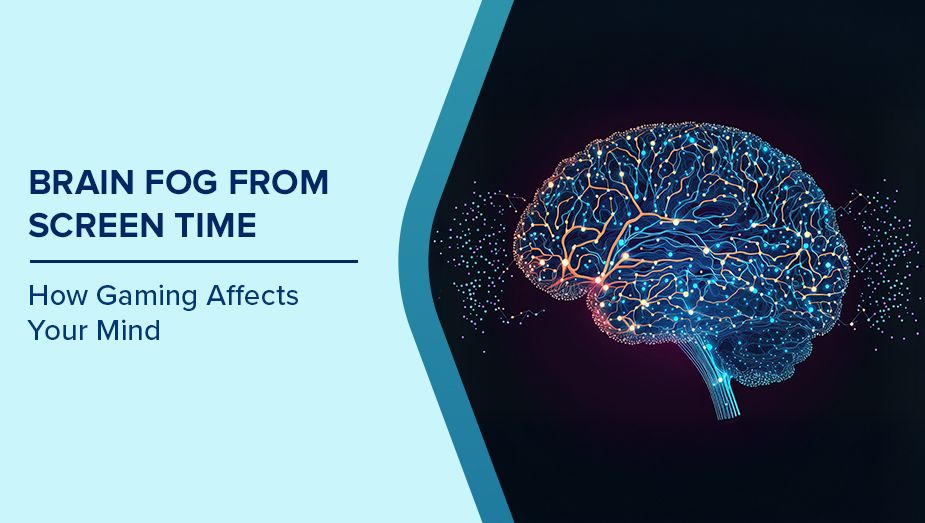
Call Us+91 926 888 0303Brain Fog from Screen Time: How Gaming Affects Your Mind
By Dr. Anand Kumar Saxena in Neurology
Jun 23 , 2025 | 4 min read
3

In today's fast-paced digital world, screens are everywhere—from smartphones and gaming consoles to laptops and tablets. Whether you're a teenager crushing it in online games, a college student binge-watching shows, or a parent scrolling through Instagram after work, screen time has become an unavoidable part of daily life.
But here's the catch: excessive gaming and long hours on digital screens may be silently draining your brain. You feel tired, distracted, forgetful, or just mentally foggy. Ever struggled to remember what you just read or had a hard time focusing during a conversation? That might be brain fog knocking on your door.
Let's break down what's really happening inside your mind—and how to take control before screens take over.
What is Brain Fog?
Brain fog isn't a medical condition, but it's a real experience many people face. Think of it as a mental cloudiness that affects your ability to think clearly. It feels like your brain is running slower, you're easily distracted, and your memory isn't as sharp.
Common symptoms include:
- Trouble concentrating
- Mental fatigue
- Forgetfulness
- Feeling "spaced out"
- Difficulty processing information
Brain fog can be caused by many things—poor sleep, stress, lack of exercise—but today, one of the biggest culprits is excessive screen time and digital addiction.
How Excessive Gaming and Screen Time Affects the Brain
Digital Overload and Cognitive Fatigue
Spending hours gaming or scrolling through social media floods your brain with constant stimulation. Over time, your brain gets exhausted trying to process so much information. This is known as cognitive fatigue, and it can make even simple tasks feel challenging.
Disrupted Sleep Patterns
Blue light from screens interferes with melatonin production—the hormone that helps you sleep. Late-night gaming or screen use can lead to poor sleep quality, which directly contributes to brain fog, mood swings, and reduced mental focus the next day.
Impaired Attention Span
Fast-paced gaming and constant app notifications train your brain to expect instant joy. This weakens your ability to focus on slower, more demanding tasks, such as reading, studying, or engaging in deep conversations.
Reduced Physical Activity
Long gaming sessions or binge-watching can lead to less movement. Lack of physical activity reduces blood flow to the brain, which can impact memory and concentration.
Is Screen Addiction Real?
Yes, screen addiction is a growing concern. Just like substance addiction, excessive screen time releases dopamine—a "feel-good" chemical—in your brain. Over time, your brain craves more and more of it, making it harder to stop even when you want to.
Warning signs of screen addiction:
- Losing track of time online
- Feeling anxious or irritated when not using a screen
- Ignoring sleep, meals, or personal hygiene to stay online
- Skipping responsibilities like homework or work deadlines
Steps to Clear Brain Fog and Regain Focus
Practice Digital Detox
Set screen-free hours in your day. Even just 1-2 hours of zero screen time—especially before bed—can help your brain rest and reset.
Try this: Keep your phone out of reach during meals and bedtime. Use that time to read, stretch, or talk to someone face-to-face.
Follow the 20-20-20 Rule
Every 20 minutes, look away from your screen and focus on something 20 feet away for at least 20 seconds. It's great for your eyes and your brain.
Get Moving
Exercise improves blood circulation to the brain. A 30-minute walk, a dance session, or a quick workout can significantly improve your mental clarity and mood.
Prioritise Sleep
Aim for 7–9 hours of quality sleep. No screens at least 30 minutes before bedtime. Engage in calming activities such as reading, meditation, or journaling to unwind.
Fuel Your Brain Right
A poor diet can worsen brain fog. Avoid sugary snacks and junk food. Eat brain-friendly foods like:
- Leafy greens
- Berries
- Nuts
- Eggs
- Whole grains
Stay hydrated, too—your brain needs water to function properly.
Supporting Mental Health in the Digital Age
It's okay to enjoy gaming and social media, but balance is key. If you or someone you know is struggling with screen addiction or constant mental fog, don't hesitate to talk to a mental health professional. There's no shame in seeking help.
Encourage family screen-time rules and open conversations. Teens, young adults, and even parents benefit from setting healthy digital boundaries.
Conclusion
Your mind is your most powerful tool—but it needs care, rest, and attention. Excessive gaming and screen time can sneakily lead to brain fog, memory issues, and lack of focus. However, the good news is that it's reversible.
Simple changes—like reducing screen time, moving more, sleeping well, and eating better—can recharge your brain and boost mental sharpness.
Frequently Asked Questions
Can gaming ever be good for the brain?
Yes, in moderation. Certain games can enhance hand-eye coordination, problem-solving skills, and strategic thinking. The key is balance.
How many hours of screen time is considered unhealthy?
More than 4–5 hours of non-essential screen time a day, especially without breaks, can start affecting your brain and body.
What are good alternatives to screen time?
Try journaling, board games, painting, playing a sport, gardening, or spending time with family and pets. These help your brain relax and reset.
Can brain fog be a symptom of something serious?
Yes, while screen time is a common cause, brain fog can also be linked to medical issues like thyroid problems, vitamin deficiencies, or anxiety. If it persists, consult a doctor.
How do I help my child reduce screen time?
Set a good example by limiting your own screen time. Use apps that track usage and reward screen-free activities. Open, honest communication is key.
Written and Verified by:

Related Blogs


Oct 27 , 2020 | 3 min read
Blogs by Doctor

Neuromuscular Disorder: Simple Daily Strategies to Manage Fatigue
Dr. Anand Kumar Saxena In Neurology
Aug 04 , 2025 | 4 min read
Most read Blogs


Related Blogs
Oct 27 , 2020 | 3 min read
Blogs by Doctor
Neuromuscular Disorder: Simple Daily Strategies to Manage Fatigue
Dr. Anand Kumar Saxena In Neurology
Aug 04 , 2025 | 4 min read
Most read Blogs