 WhatsApp Us (24/7)
 +91 926 888 0303 (24/7)


To Book an Appointment
Call Us+91 926 888 0303Bone Marrow Cancer: Types, Symptoms and Treatment Options
By Dr. Rayaz Ahmed in Cancer Care / Oncology
Oct 10 , 2025 | 8 min read
4

Bone marrow cancer is a serious medical condition that impacts the body’s ability to produce healthy blood cells, affecting oxygen supply, immunity, and clotting. The early signs of bone marrow cancer include unexplained fatigue, recurrent infections, or bone pain, which can easily be mistaken for other health issues. Unfortunately, this often delays diagnosis until the cancer has advanced. That’s why it is extremely important to be aware of the early signs, and consult a doctor in case you notice any unusual symptoms that don’t go away. More on the subject, in this article, we’ll cover key aspects of bone marrow cancer, including types, early symptoms and common treatments used to manage the condition. Let’s dive in.
What is Bone Marrow Cancer?
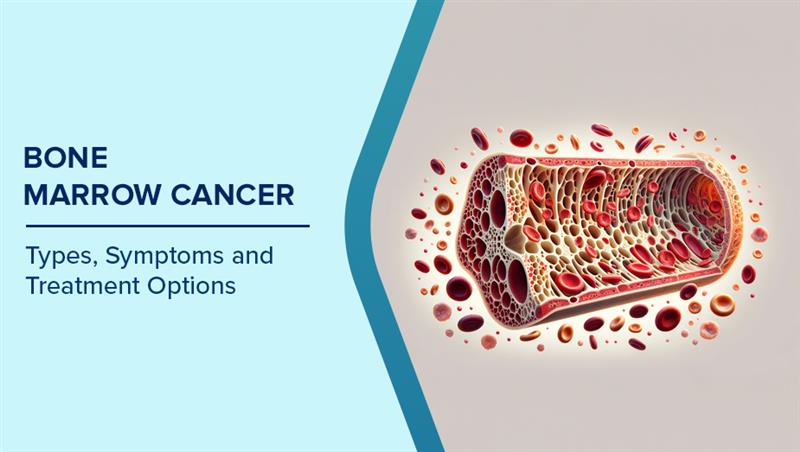
Bone marrow cancer is a disease in which abnormal cells grow uncontrollably within the bone marrow, interfering with its normal function. Over time, this can reduce the production of healthy blood cells, weakening the body’s ability to transport oxygen, fight infections, and control bleeding. The disease can also cause structural changes in the bones, sometimes leading to pain or fractures, and can place extra strain on organs as the body struggles to compensate for these imbalances. Because the progression and severity can vary from person to person, bone marrow cancer requires careful monitoring and timely treatment.
What are the Different Types of Bone Marrow Cancer?
The most common types of bone marrow cancer include:
- Leukaemia: Leukaemia is a cancer of the white blood cells. In this condition, the bone marrow produces large numbers of abnormal white blood cells that do not function properly. These cells crowd out healthy blood cells, leading to anaemia, increased risk of infections, and problems with blood clotting. Leukaemia can be acute (fast-growing) or chronic (slow-growing), and treatment approaches vary depending on the type.
- Multiple Myeloma: Multiple myeloma affects plasma cells, a type of white blood cell that produces antibodies. Abnormal plasma cells accumulate in the bone marrow, interfering with normal blood cell production. This can weaken bones, cause fractures, affect kidney function, and leave the body more vulnerable to infections.
- Lymphoma Involving Bone Marrow: Lymphoma primarily affects the lymphatic system, but some types can originate in or spread to the bone marrow. When this happens, the cancer cells can disrupt normal blood cell production and weaken the immune system. Lymphomas are generally classified as Hodgkin or non-Hodgkin types, each with distinct features and treatment options.
Other Rare Types
There are also less common forms of bone marrow cancer, including myelodysplastic syndromes and myeloproliferative neoplasms. These conditions involve abnormal growth of certain blood cell precursors and can sometimes progress to more aggressive cancers like leukaemia.
What are the Symptoms of Bone Marrow Cancer?
Bone marrow cancer can affect different parts of the body in various ways, and its symptoms often develop gradually. Key symptoms include:
- Fatigue and Weakness: Reduced production of red blood cells (anaemia) limits oxygen delivery to the body’s tissues, leading to constant tiredness, weakness, and sometimes shortness of breath even with minimal activity.
- Frequent Infections: The abnormal white blood cells produced in bone marrow cancer are often immature or non-functional. This weakens the immune system, making patients prone to recurring infections such as colds, flu, urinary tract infections, or pneumonia.
- Easy Bruising or Bleeding: Low platelet counts interfere with normal blood clotting. This can result in unusual bruising, frequent nosebleeds, bleeding gums, or prolonged bleeding from minor injuries.
- Bone and Joint Pain: Cancer cells accumulating in the bone marrow can put pressure on bones, causing persistent pain, particularly in the back, hips, ribs, or joints. Over time, weakened bones may increase the risk of fractures
- Unexplained Weight Loss and Fever: Some patients experience sudden weight loss, night sweats, or low-grade fevers without any clear cause. These symptoms often reflect the body’s response to abnormal cell growth and inflammation.
- Swelling or Lumps: In cases where lymphoma affects the bone marrow, enlarged lymph nodes may appear in the neck, armpits, or groin. This can indicate the spread of cancerous cells beyond the marrow.
- Other Signs: Some patients may notice persistent fatigue that does not improve, pale skin, or general malaise due to the overall strain on the body caused by the cancer.
Monitoring these symptoms and consulting a healthcare provider promptly can significantly improve the chances of early detection and effective management.
What Causes Bone Marrow Cancer and Who is at Risk?
The exact cause of bone marrow cancer is not fully understood. It develops when changes in the DNA of bone marrow cells cause them to grow uncontrollably and avoid normal cell death. Several factors can increase the likelihood of developing the condition:
- Genetic and Family Factors: Some people inherit genetic mutations that may make their bone marrow cells more susceptible to abnormal growth. Additionally, a family history of blood disorders or certain types of cancer can slightly raise the risk, though most cases occur in individuals without a known family history.
- Age and Gender: The risk of bone marrow cancer increases with age, particularly after 50 years. Some types of bone marrow cancer, such as multiple myeloma, are more commonly seen in men than in women.
- Exposure to Radiation or Harmful Chemicals: Previous exposure to high levels of radiation, chemotherapy for other cancers, or toxic chemicals like benzene may contribute to DNA changes in bone marrow cells. Long-term exposure to certain industrial chemicals has also been linked to higher risk.
- Pre-existing Blood Disorders: Certain conditions, such as myelodysplastic syndromes or other marrow-related disorders, can increase susceptibility. In some cases, these disorders may progress to full-blown bone marrow cancer over time.
- Lifestyle and Overall Health: While lifestyle factors alone do not directly cause bone marrow cancer, overall health plays a role in supporting bone marrow function. Chronic illnesses, poor nutrition, or prolonged stress can weaken the body’s resilience, potentially making it harder for the bone marrow to maintain healthy cell production.
What are the Treatment Options for Bone Marrow Cancer?
Treatment for bone marrow cancer depends on the type of cancer, its stage, and the overall health of the patient. The main goals are to control the growth of cancer cells, manage symptoms, and improve quality of life. Multiple treatment approaches are often combined to achieve the best results.
- Chemotherapy: Chemotherapy involves using drugs to target and destroy rapidly dividing cancer cells in the bone marrow. It can reduce the number of cancerous cells, help achieve remission, and prepare the body for procedures like stem cell transplants. Chemotherapy can be administered orally or intravenously, usually in multiple cycles over several months. Side effects such as fatigue, nausea, and lowered immunity are common, but doctors provide supportive care to manage these effects.
- Radiation Therapy: Radiation therapy uses high-energy rays to destroy cancer cells in specific areas. It is particularly useful for relieving bone pain, reducing tumour size, or treating areas where cancer has heavily affected the marrow. Sometimes, radiation is used in combination with chemotherapy or before a stem cell transplant to improve effectiveness.
- Stem Cell or Bone Marrow Transplant: A stem cell transplant replaces diseased or damaged bone marrow with healthy stem cells, either from the patient (autologous) or a donor (allogeneic). This allows doctors to give higher doses of chemotherapy or radiation while restoring healthy blood cell production. The transplant can significantly improve outcomes but requires careful preparation, close monitoring, and management of potential complications such as infections or graft-versus-host disease in donor transplants.
- Targeted Therapy: Targeted therapies are drugs that focus on specific abnormalities in cancer cells, interfering with their growth and survival while sparing healthy cells. These therapies are particularly effective in certain genetic types of bone marrow cancer and are often used when conventional chemotherapy is less effective. They may be administered orally or intravenously, and side effects are usually more specific to the treatment itself.
- Immunotherapy: Immunotherapy harnesses the body’s immune system to recognise and attack cancer cells. This includes treatments such as monoclonal antibodies, immune checkpoint inhibitors, or CAR-T cell therapy. Immunotherapy can be life-changing for some patients, especially in cases where traditional treatments have limited success, but it requires careful monitoring for immune-related side effects.
Supportive Care
Supportive care focuses on managing symptoms and improving quality of life. This may include:
- Blood transfusions to treat anaemia or low platelet counts
- Antibiotics or antiviral medications to prevent or treat infections
- Pain management strategies for bone or joint discomfort
- Nutritional support and counselling to maintain strength and overall health
Supportive care is often combined with other treatments to ensure patients remain as healthy and comfortable as possible throughout their treatment journey.
Can Bone Marrow Cancer be Prevented?
Bone marrow cancer cannot always be prevented, as the exact causes are often unknown and may involve genetic or random cellular changes. However, certain steps can help reduce risk factors and support overall bone marrow health:
- Avoid Exposure to Harmful Chemicals and Radiation: Limiting exposure to toxic chemicals such as benzene, and reducing unnecessary exposure to high levels of radiation, can help lower risk. People working in industries with chemical exposure should follow strict safety measures.
- Maintain a Healthy Lifestyle: Eating a balanced diet rich in fruits, vegetables, and lean proteins, staying physically active, and avoiding smoking or excessive alcohol can help support the immune system and overall health, indirectly benefiting bone marrow function.
- Regular Medical Check-ups: Individuals with pre-existing blood disorders or a family history of blood cancers should undergo routine health screenings. Early detection of abnormalities in blood counts or marrow function can allow timely intervention before the disease progresses.
- Manage Chronic Health Conditions: Proper management of chronic illnesses, such as diabetes or autoimmune disorders, can reduce strain on the body and maintain better bone marrow function.
- Stay Informed: Awareness of potential risk factors and early symptoms allows for prompt medical consultation, which can help catch problems before they develop into full-blown cancer.
Consult Today
Understanding a condition like bone marrow cancer can bring a sense of clarity, but there are always more questions that follow. At Max Hospital, you can connect with a specialist in haematology-oncology. These doctors are experts in blood disorders and cancers, including those that affect the bone marrow. They can offer a comprehensive consultation, answer your specific questions, and help you advise on the best treatment option for you.
Written and Verified by:

Related Blogs

Dr. Kanika Batra Modi In Cancer Care / Oncology
Nov 07 , 2020 | 3 min read

Dr. R.Ranga Rao In Medical Oncology , Cancer Care / Oncology , Thoracic Oncology
Nov 07 , 2020 | 2 min read
Blogs by Doctor


Polycythemia Vera: A Complete Guide
Dr. Rayaz Ahmed In Cancer Care / Oncology , Bone Marrow Transplant , Haematology , Hematology Oncology
Mar 01 , 2024 | 11 min read
Most read Blogs


Related Blogs
Dr. Kanika Batra Modi In Cancer Care / Oncology
Nov 07 , 2020 | 3 min read
Dr. R.Ranga Rao In Medical Oncology , Cancer Care / Oncology , Thoracic Oncology
Nov 07 , 2020 | 2 min read
Blogs by Doctor
Polycythemia Vera: A Complete Guide
Dr. Rayaz Ahmed In Cancer Care / Oncology , Bone Marrow Transplant , Haematology , Hematology Oncology
Mar 01 , 2024 | 11 min read
Most read Blogs